
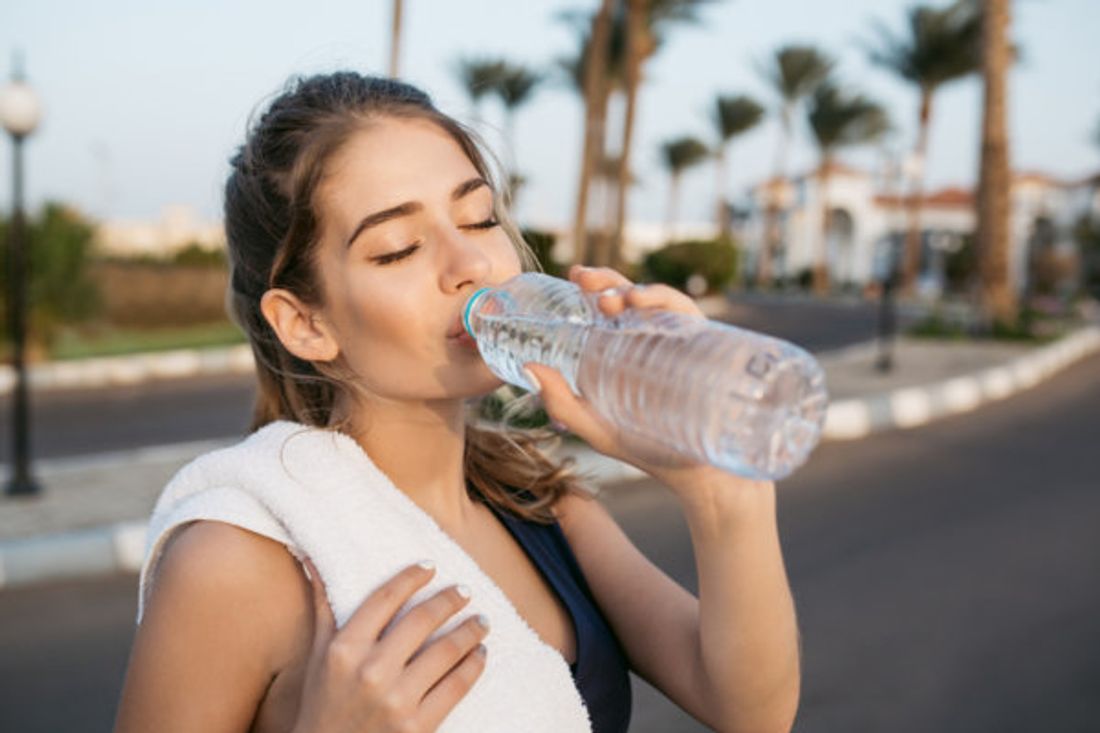
You may go an entire day without realizing how little water you have been drinking, especially when you are busy with work, daily responsibilities, and a packed schedule. Gradually, your body begins to react: your mouth feels dry, your energy fades, and you develop a headache. Even the simplest tasks may start to feel more exhausting than usual.
Water plays a role in almost every essential bodily function, from regulating body temperature and supporting digestion to helping the kidneys eliminate waste. This is why consistently drinking too little water affects much more than simply making you feel thirsty. So, what really happens to your body when you don't drink enough water?
𝟭. 𝗗𝗶𝗴𝗲𝘀𝘁𝗶𝗼𝗻 𝗕𝗲𝗰𝗼𝗺𝗲𝘀 𝗠𝗼𝗿𝗲 𝗗𝗶𝗳𝗳𝗶𝗰𝘂𝗹𝘁
Your digestive system relies on adequate fluid intake. When you drink too little water, your body absorbs more water from your stool, which can make bowel movements more difficult. Over time, insufficient fluid intake may contribute to constipation, particularly if your diet is low in fiber.
𝟮. 𝗬𝗼𝘂𝗿 𝗞𝗶𝗱𝗻𝗲𝘆𝘀 𝗛𝗮𝘃𝗲 𝘁𝗼 𝗪𝗼𝗿𝗸 𝗛𝗮𝗿𝗱𝗲𝗿
Your kidneys need water to remove waste from the blood and produce urine. When you become dehydrated, your urine becomes darker and more concentrated, and you may urinate less frequently. Persistent dehydration places additional strain on the kidneys and, in some cases, increases the risk of developing kidney stones.
𝟯. 𝗬𝗼𝘂𝗿 𝗘𝗻𝗲𝗿𝗴𝘆 𝗟𝗲𝘃𝗲𝗹𝘀 𝗗𝗿𝗼𝗽
One of the first changes you may notice when you don't drink enough water is unusual fatigue. When your body does not have sufficient fluids, blood volume decreases, making it harder for your heart to pump blood efficiently. As a result, you may feel weak, sluggish, and less able to concentrate, especially during a busy day.
𝟰. 𝗬𝗼𝘂 𝗠𝗮𝘆 𝗗𝗲𝘃𝗲𝗹𝗼𝗽 𝗛𝗲𝗮𝗱𝗮𝗰𝗵𝗲𝘀
Dehydration can also contribute to headaches, particularly after several hours without drinking water. Your body needs an adequate fluid balance to support normal blood circulation and brain function. Even mild dehydration may therefore leave you feeling disoriented or uncomfortable.
𝟱. 𝗬𝗼𝘂𝗿 𝗕𝗼𝗱𝘆 𝗙𝗶𝗻𝗱𝘀 𝗜𝘁 𝗛𝗮𝗿𝗱𝗲𝗿 𝘁𝗼 𝗖𝗼𝗽𝗲 𝗪𝗶𝘁𝗵 𝗛𝗲𝗮𝘁
Water plays an important role in regulating body temperature through sweating. If you do not replace the fluids you lose, especially in hot weather or while exercising, your body may have greater difficulty cooling itself efficiently, increasing the risk of heat-related problems.
𝟲. 𝗬𝗼𝘂𝗿 𝗦𝗸𝗶𝗻 𝗕𝗲𝗰𝗼𝗺𝗲𝘀 𝗗𝗿𝗶𝗲𝗿
When you don't drink enough water, your skin may look less fresh and hydrated, while dryness and dullness can become more noticeable. Drinking enough water is not a substitute for a proper skincare routine, but maintaining good hydration supports the body's fluid balance and contributes to healthier-looking, more radiant skin.
𝗦𝗼𝘂𝗿𝗰𝗲: 𝗘𝗹𝗹𝗲 𝗔𝗿𝗮𝗯𝗶𝗮


