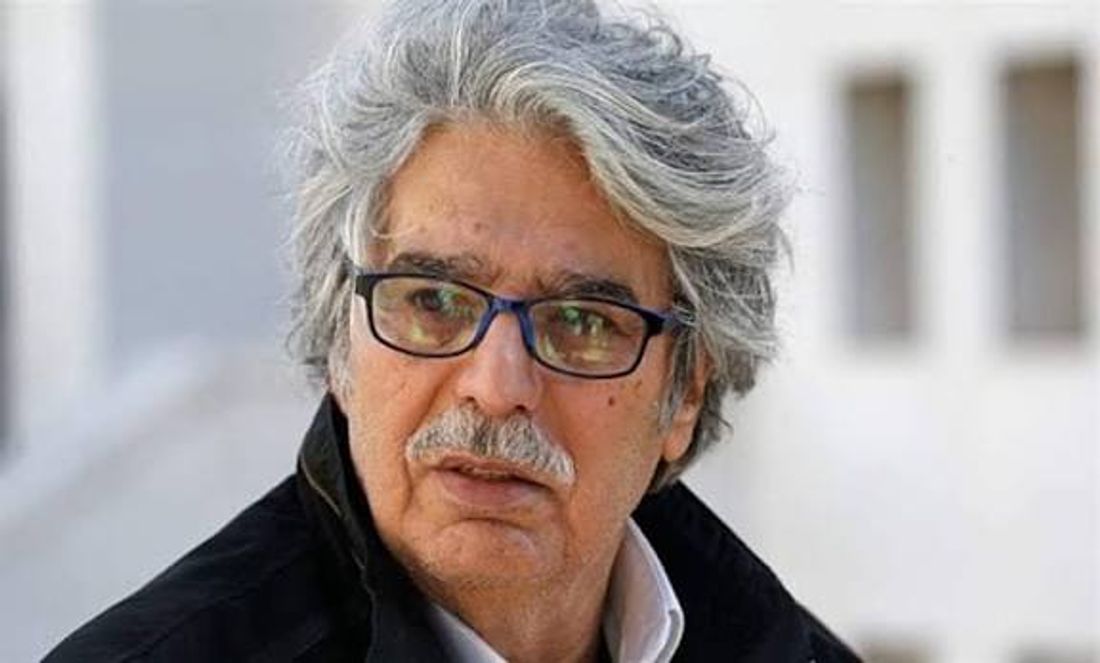
Syrian actor Abbas Al-Nouri recalled an embarrassing incident that occurred while filming a previous production, which led him to lose his temper and overturn a table in front of the crew after feeling insulted by the director’s behavior toward him.
𝗔𝗯𝗯𝗮𝘀 𝗔𝗹-𝗡𝗼𝘂𝗿𝗶 𝗟𝗼𝘀𝗲𝘀 𝗛𝗶𝘀 𝗧𝗲𝗺𝗽𝗲𝗿 𝗔𝗳𝘁𝗲𝗿 𝗮 𝗗𝗶𝗿𝗲𝗰𝘁𝗼𝗿 𝗠𝗼𝗰𝗸𝘀 𝗛𝗶𝗺
Speaking as a guest on the program Al-Ikhtiyar, broadcast on Syria’s Al-Thaniya TV and hosted alongside actor Milad Youssef, Abbas Al-Nouri said the incident took place while filming one of his previous productions. He explained that he was taken aback when the director mocked him harshly and instructed the filming crew to applaud his arrival after he showed up late to the set.
He noted that the unexpected incident made him angry because he felt humiliated in front of his colleagues. According to his account, this prompted an angry reaction in which he overturned the table and the monitor on the filming set.
𝗔𝗯𝗯𝗮𝘀 𝗔𝗹-𝗡𝗼𝘂𝗿𝗶 𝗔𝗱𝗺𝗶𝘁𝘀 𝗛𝗶𝘀 𝗥𝗲𝗮𝗰𝘁𝗶𝗼𝗻 𝗪𝗮𝘀 𝗪𝗿𝗼𝗻𝗴
Al-Nouri did not conceal his dissatisfaction with his behavior at the time, admitting that his anger did not justify overturning the table and monitor in front of the crew. He emphasized the importance of directors respecting actors and stressed that professional relationships on set should be built on mutual respect.
𝗔𝗯𝗯𝗮𝘀 𝗔𝗹-𝗡𝗼𝘂𝗿𝗶 𝗘𝘅𝗽𝗹𝗮𝗶𝗻𝘀 𝘁𝗵𝗲 𝗙𝗼𝘂𝗻𝗱𝗮𝘁𝗶𝗼𝗻 𝗼𝗳 𝘁𝗵𝗲 𝗗𝗶𝗿𝗲𝗰𝘁𝗼𝗿-𝗔𝗰𝘁𝗼𝗿 𝗥𝗲𝗹𝗮𝘁𝗶𝗼𝗻𝘀𝗵𝗶𝗽
The Syrian actor said that a successful professional relationship between a director and the actors is fundamentally based on dialogue and allowing room for discussion about the character’s details and how it should be portrayed, ensuring that everyone works toward a shared artistic vision.
𝗔𝗯𝗯𝗮𝘀 𝗔𝗹-𝗡𝗼𝘂𝗿𝗶: 𝗣𝗼𝗿𝘁𝗿𝗮𝘆𝗶𝗻𝗴 𝗮 𝗖𝗵𝗮𝗿𝗮𝗰𝘁𝗲𝗿 𝗗𝗼𝗲𝘀 𝗡𝗼𝘁 𝗠𝗲𝗮𝗻 𝗘𝗻𝗱𝗼𝗿𝘀𝗶𝗻𝗴 𝗜𝘁𝘀 𝗜𝗱𝗲𝗮𝘀
Separately, Abbas Al-Nouri explained that portraying characters with particular beliefs or behaviors does not necessarily mean that an actor agrees with them. He cited his experience in the television series Ma’a Waqf Al-Tanfidh and Enaya Mushaddada.
He pointed out that an actor’s job is to portray a character convincingly by understanding its motivations and exploring its various dimensions, even when its beliefs conflict with the actor’s personal convictions, as he put it.
𝗦𝗼𝘂𝗿𝗰𝗲: 𝗳𝗼𝗼𝗰𝗵𝗶𝗮