
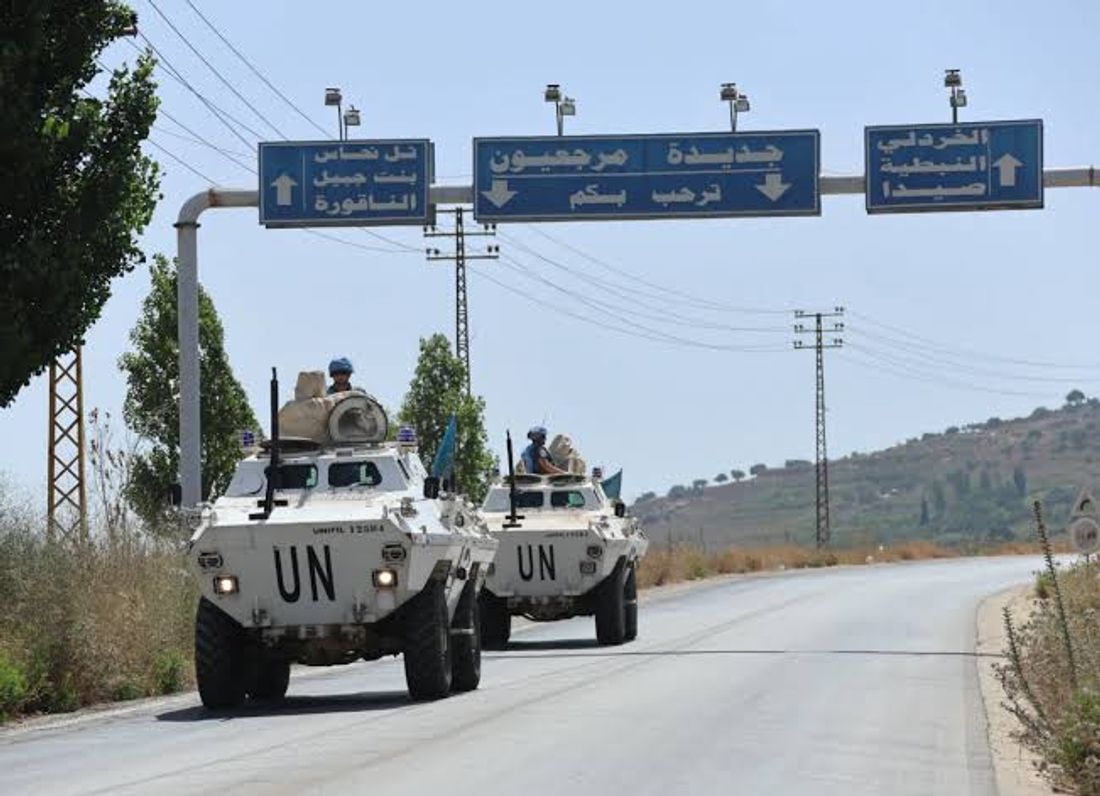
Free Patriotic Movement leader Gebran Bassil has proposed seeking a UN Security Council resolution to establish a force made up of personnel from the five permanent members of the Security Council following the end of UNIFIL’s mission. The force would be deployed in southern Lebanon with an effective mandate to ensure a full Israeli withdrawal, the return of displaced residents, reconstruction, and the strengthening of the Lebanese Army’s capabilities so it can extend its authority across all Lebanese territory and ensure that weapons remain exclusively in its hands. The proposal aims to guarantee stability on both sides of the border.
In this sense, the proposal seeks to bring together two fundamental demands: ending the occupation, on the one hand, and strengthening state sovereignty, on the other, without making either one a precondition that could be used to obstruct the other.
According to Lebanon 24, the Free Patriotic Movement is preparing to launch contacts with Lebanese officials and influential international actors to discuss the proposal. Its aim is to prevent the entrenchment of the occupation and keep Lebanon under the framework of international legitimacy, from the Armistice Agreement to Resolution 1701, as the end of UNIFIL’s mandate approaches at the end of next year. The proposal is therefore intended to prevent an international vacuum in the south.
According to the FPM’s approach, it is not enough to have an international force that monitors and documents violations while international resolutions remain unable to achieve their objectives on the ground.
Sources within the movement say the proposed new international force is intended to spare the country further wars and escalating crises at a time when the risks of continued Israeli occupation intersect with the complexities surrounding Hezb0llah’s weapons, with both issues posing challenges for the state.
However, the importance of this proposal does not lie merely in establishing a new force or expanding international participation. Rather, it depends on the nature of the mandate granted to it and the mechanisms that would translate resolutions into enforceable commitments.
The participation of the five permanent members of the Security Council carries significant political implications. However, it does not automatically commit those countries to sending military forces, nor does the formation of the proposed force itself grant it the authority to impose an Israeli withdrawal by force.
Therefore, the success of any new arrangement would depend on a clear international resolution, political agreement on its mission, and a precise definition of its powers and limits of intervention.
This makes it necessary for any new mandate to include a clear timetable for the Israeli withdrawal, an independent mechanism to verify implementation and hold parties accountable for failing to meet their commitments, as well as a coordinated plan for the deployment of the Lebanese Army and its takeover of the positions and territories vacated by the occupation.
The objective, therefore, should not simply be to replace one international force with another, but to address the shortcomings that have made international resolutions, despite their number, insufficient to guarantee an end to the occupation and prevent renewed confrontations.
At the same time, the absence of a comprehensive Lebanese national security vision cannot be ignored, as it weakens the state's ability to influence the available options.
According to sources within the FPM, the authorities should have taken the initiative to develop a national security strategy rather than simply waiting for foreign initiatives and responding to developments after they occur.
These sources believe that this vacuum contributed to Lebanon reaching the framework agreement, which they view as having involved Lebanese concessions without securing clear guarantees or gains in return.
Regardless of how this position is assessed, the central issue remains the state's ability to formulate its own vision, define its security and political priorities, and negotiate with the international community on that basis.
Accordingly, the debate over UNIFIL’s future should not become a choice between maintaining the current force and withdrawing it. Instead, it should be an opportunity to redefine the role of the international presence in Lebanon and determine whether it can provide effective guarantees for the implementation of international resolutions.


