
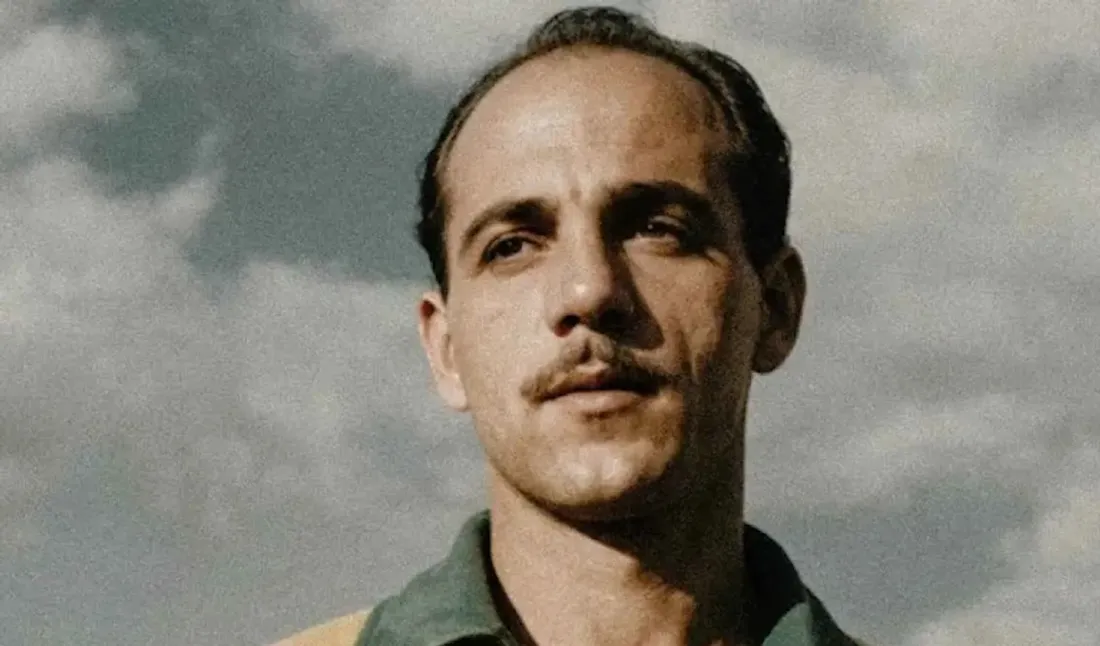
Brazilian football was plunged into mourning following the death of Dino Sani, who won the World Cup with his national team in 1958. He was 94.
Sani, who helped lead Brazil to the first World Cup title in the country's history at the 1958 tournament, was the oldest living World Cup winner.
The midfielder played in two matches during the competition, which was hosted by Sweden, including the goalless draw against England in Gothenburg.
Sani also made his mark during his career with Argentina's Boca Juniors before moving to Italian side AC Milan, where he won the Italian league title and the European Cup, now known as the UEFA Champions League.
After retiring as a player, Sani turned to coaching, taking charge of several Brazilian clubs as well as Uruguay's Peñarol, which he led to two league titles. He also coached the Qatar national team.
The Brazilian Football Confederation was quick to pay tribute to Sani, who was born in São Paulo, following his death on Sunday. It issued a statement that read: “We are deeply saddened by the passing of Dino Sani, one of the outstanding members of our 1958 World Cup-winning team, which secured Brazil's first title in the competition. Sani leaves behind a rich legacy of achievements and victories, and a history that will always remain part of Brazilian football.”
The statement added: “We extend our heartfelt condolences to his family, friends and loved ones. Rest in peace, champion.”
𝗔 𝗥𝗲𝗺𝗮𝗿𝗸𝗮𝗯𝗹𝗲 𝗖𝗮𝗿𝗲𝗲𝗿
Sani made 15 appearances for the Brazilian national team, scoring one goal. He also played a role in England's early exit from the 1958 World Cup.
England, coached by Walter Winterbottom, drew all three of its group-stage matches, with its games against the Soviet Union and Austria both ending 2-2.
England and the Soviet Union finished level on points and goal difference, but England was eliminated after losing 1-0 to the Soviet Union in a playoff.
Sani retired from football in 1968 after a spell with Corinthians, before going on to coach the Brazilian giants on two occasions.
His final appearance for the Brazilian national team came two years before he announced his retirement from football.


