
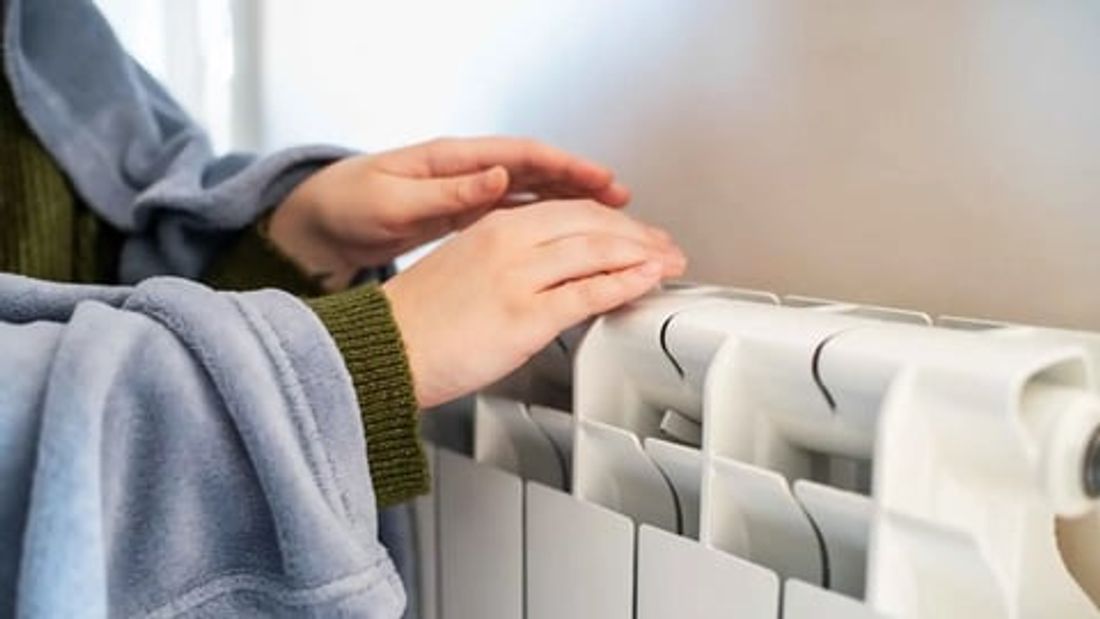
Central heating may contribute to dry and irritated skin during winter, but it is not the only cause, according to consultant dermatologist Dr. Emma Craythorne, who spoke to The Guardian.
Human skin has a protective barrier on its surface that helps retain moisture. However, this barrier is not completely sealed, and water continuously moves through the skin depending on the humidity level of the surrounding air.
Skin generally feels comfortable at a relative humidity of around 40%. When indoor air becomes drier than this, as can happen when heating is used for extended periods without ventilation, the skin loses more water.
This water loss can trigger a mild inflammatory response. As the skin dries out, blood vessels expand slightly, making the skin appear redder. Inflammatory proteins known as cytokines also become active and can irritate nerve endings, causing itching and discomfort.
Craythorne points out that cold outdoor air may be even more drying than central heating because it naturally contains less moisture. Windy conditions can make the problem worse by accelerating the evaporation of water and natural oils from the skin’s surface. Some people are more susceptible to these effects, particularly those with eczema or rosacea.
To reduce these effects, experts recommend keeping indoor heating at a moderate temperature and using a humidifier to increase moisture levels in the home. They also advise following a gentle skincare routine, avoiding harsh soaps and choosing creamy, soap-free cleansers.
Using a fragrance-free moisturizer containing occlusive ingredients can help reduce water loss, while ceramides and glycerin help support the skin barrier and attract moisture.
Dermatologists emphasize that moisturizer in winter acts like a “protective blanket” for the skin.
𝗦𝗼𝘂𝗿𝗰𝗲: 𝗘𝗿𝗲𝗺 𝗡𝗲𝘄𝘀


