
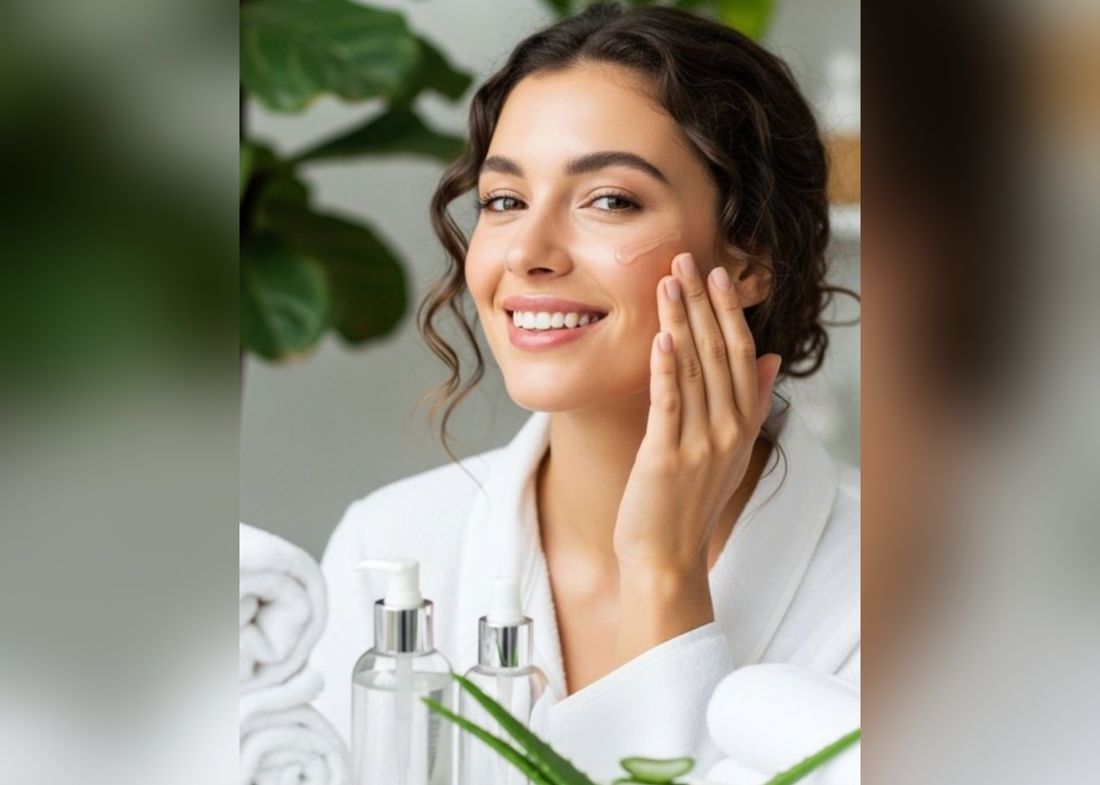
Finding a complete and effective skincare routine is no easy task. It often requires trying several products before discovering a combination that delivers noticeable results while also feeling comfortable on the skin. Therefore, once we find a routine that works for us, we tend to stick to it rather than make changes. But is it wise to maintain the same routine throughout the year?
The truth is that the skin is a living organ that responds to its surrounding environment, meaning its needs do not remain the same as the weather and seasons change. This raises an important question: should skincare routines be adjusted with each seasonal transition?
𝗧𝗵𝗲 𝗦𝗸𝗶𝗻 𝗜𝘀 𝗔𝗳𝗳𝗲𝗰𝘁𝗲𝗱 𝗯𝘆 𝗦𝗲𝗮𝘀𝗼𝗻𝗮𝗹 𝗖𝗵𝗮𝗻𝗴𝗲𝘀
As temperatures drop during winter, the skin becomes more vulnerable to dryness due to cold weather, wind, and indoor heating. Its protective barrier weakens, while redness and cracking become more common, making richer and more nourishing formulations necessary.
However, these same formulations may not be suitable when temperatures rise.
Summer, on the other hand, brings different challenges. Heat, sweating, and sun exposure stimulate the production of natural oils, potentially leading to clogged pores and blemishes if overly heavy products are used.
In such conditions, lightweight and refreshing formulations become a smarter choice, providing hydration without weighing down the skin.
Therefore, there is no need to completely overhaul a skincare routine with every season, but making thoughtful adjustments is essential to maintaining the skin's balance.
𝗪𝗵𝗮𝘁 𝗗𝗼𝗲𝘀 𝘁𝗵𝗲 𝗦𝗸𝗶𝗻 𝗡𝗲𝗲𝗱 𝗶𝗻 𝗦𝗽𝗿𝗶𝗻𝗴?
Spring is a transitional season between winter's cold temperatures and summer's heat, making it an ideal time to reassess your skincare routine.
After months of relying on rich skincare products, it is time to simplify the steps and focus on healthy hydration and a natural glow.
During this period, the skin gradually adjusts to the changing weather and may become more prone to blemishes as temperatures fluctuate and oil production increases.
It is therefore preferable to choose formulations containing ingredients that support balanced hydration and enhance skin radiance, such as niacinamide, which helps even out the skin's overall appearance; glycerin, which attracts moisture; and peptides, which help support skin elasticity.
Most importantly, heavy formulations that may weigh down the skin should be avoided and replaced with lighter alternatives that provide the necessary hydration without excessive shine.
𝗦𝗼𝘂𝗿𝗰𝗲: Elle Arabia


