
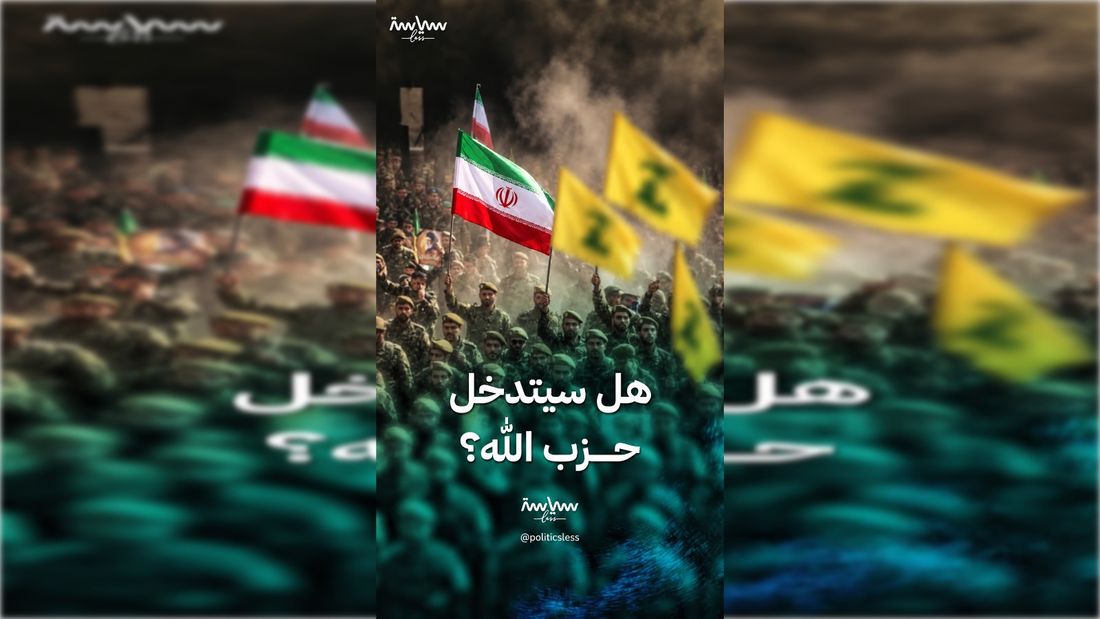
Political circles have been preoccupied with assessing the position Hezb0llah might announce if a confrontation erupts between the United States and Israel on one side and Iran on the other, as well as what transpired during Iranian Deputy Foreign Minister Saeed Khatibzadeh’s visit to Beirut.
According to information published by Al-Liwaa newspaper, Khatibzadeh did not inform the Shiite duo of any decision for Hezbollah not to participate in any upcoming confrontation. The most he conveyed was that his country is strong and capable of confronting threats and aggression on its own.
Based on this information, Hezb0llah has not committed itself to any course of action and is keeping its decisions open, depending on what developments on the ground and in the political arena require.
Senior Hezb0llah sources denied reports that guarantees had been given regarding the Cabinet decision concerning the explosives truck, or that Parliament Speaker Nabih Berri had played a role in this regard. The sources acknowledged differences between Hezb0llah and the Parliament speaker over the issue, but said there was no fundamental disagreement between the two sides.
An-Nahar newspaper reported that Israeli measures along the northern border with Lebanon had heightened fears of a military explosion. Two days before the Israeli elections, the Israeli Broadcasting Authority reported that the Israeli army had raised its alert level to the highest degree in preparation for the elections and deployed tens of thousands of soldiers along the borders and on several fronts, including Lebanon, the Gaza Strip, the West Bank, and the area around Jerusalem, in anticipation of possible security developments, including rocket launches from Iran or Lebanon.
A military exercise also began yesterday morning in northern and central Israel, involving the Judea and Samaria Division, the 98th Division, the 96th Division, the 210th Division, and the air force, in their respective areas of responsibility, according to the Israeli army.
Nidaa Al-Watan reported that the Lebanese state is concerned about any military escalation that Hezbollah might trigger in compliance with orders from the Islamic Revolutionary Guard Corps. However, political sources revealed that Hezb0llah had conveyed “reassurances” to the state through Ain al-Tineh, indicating that it would not become involved in any new effort to support Iran this time. These reassurances remain subject to doubt, however, in light of what the sources described as Hezb0llah’s record of deceptive commitments and broken promises.
Al-Diyar confirmed that the various parties recognize that the course of the Hezb0llah weapons file is closely tied to how the regional situation develops, whether through the outbreak of a new round of fighting or the achievement of a broad US-Iranian understanding.
Sources indicated that a conviction is beginning to take hold among these parties that Lebanon has become a ground that merely receives the repercussions of the regional conflict, with its ability to remain insulated from its course diminishing.
They noted that the latest round of direct military negotiations with Tel Aviv reflected this reality, as it yielded no significant breakthrough. Israel has tied any concessions or positive response to the period after the elections, while Hezbollah continues to insist that any discussion of its weapons must await greater clarity regarding the broader regional picture.


