
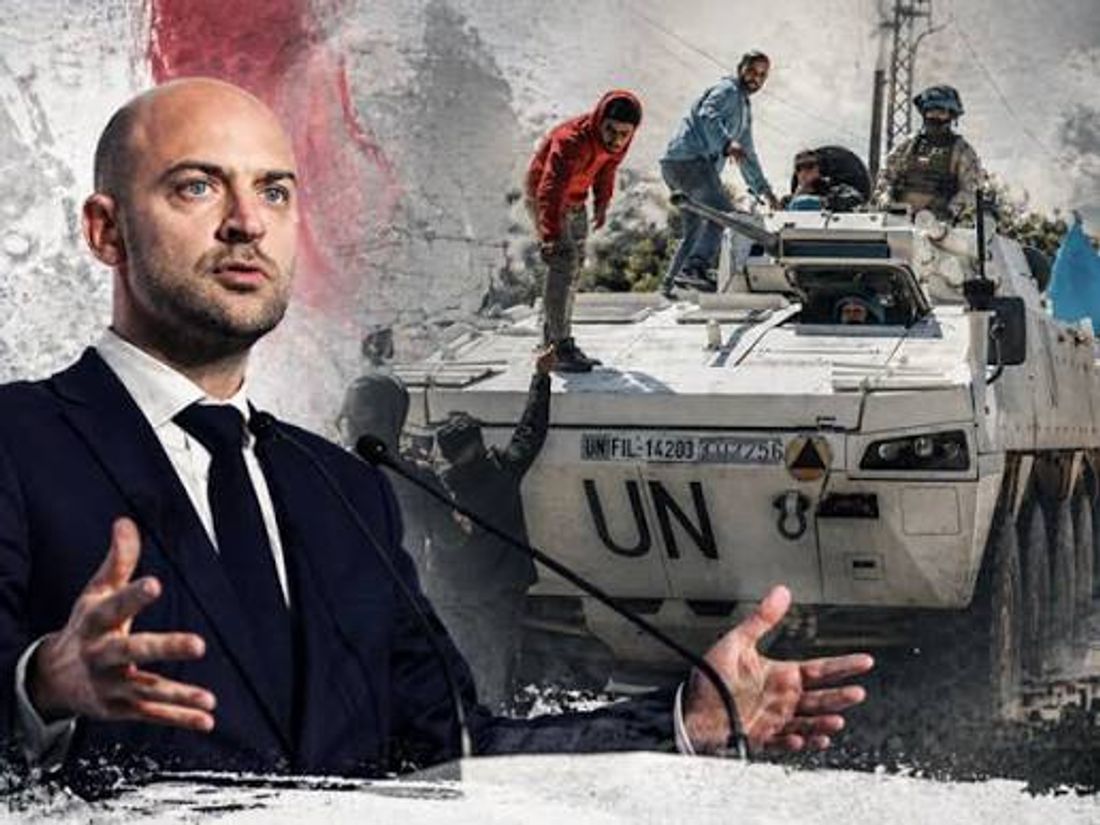
The future of the United Nations Interim Force in Lebanon (UNIFIL) is at the forefront of political and security discussions, amid Israeli efforts to end any future role for the force or any similar force, as well as moves in New York to discuss the matter with U.S. officials.
In this context, U.S. Ambassador to the United Nations Mike Waltz intensified his criticism of the force, announcing his intention to work on changing its mandate during his visit to Beirut on November 16 and 17. He said: “This mission has been in place for 20 years, costs half a billion dollars annually, and has provided a human shield for terrorists.”
Tel Aviv opposes the French proposal to establish a European military force in southern Lebanon. According to an Israeli official, it agrees with Washington that Lebanon and Israel must approve any alternative security arrangement. The discussion is not limited to the form and mission of such a force, but also concerns the future of the international presence in the south, the party that will be responsible for monitoring the border, and preventing a security vacuum, at a time when the Israeli occupation and violations of Lebanese sovereignty continue.
Al-Liwaa reported that current contacts are focused on the departure of UNIFIL forces and the importance of having a replacement force, a matter Lebanon will seek to address internationally as soon as possible. Although the trend appears to favor international observers, the newspaper explained that contacts on this matter will soon begin.
Meanwhile, Ad-Diyar newspaper wrote that a presidential source does not rule out the possibility of a rapid Israeli withdrawal toward the “security zone” inside southern Lebanon if Gadi Eisenkot succeeds in forming his government. According to visitors who have met with him, the source expresses cautious optimism about the coming period, believing that the threat of war has moved away from Lebanon and the region, although it has not disappeared entirely.
This assessment puts Beirut before the possibility of developments on the ground that require political and security preparedness. The reduced risk of a wider war gives Lebanon an opportunity to work toward consolidating the ceasefire and securing tangible steps in the south. However, the return of residents and the stability of border villages remain linked to developments on the ground.
This highlights the importance of managing the next phase with a clear Lebanese position on any arrangements that may be proposed. A key challenge will be turning coordination among Lebanon’s presidencies into a practical position regarding any arrangements for the south. The boundaries of the Lebanese Army’s deployment, the conditions for residents’ return, and the nature of the future international presence are all issues that require clear decisions.
Any ambiguity could allow facts to be imposed that may be difficult to change later, particularly if partial measures on the ground are presented as a complete settlement of the Lebanese issue.


