
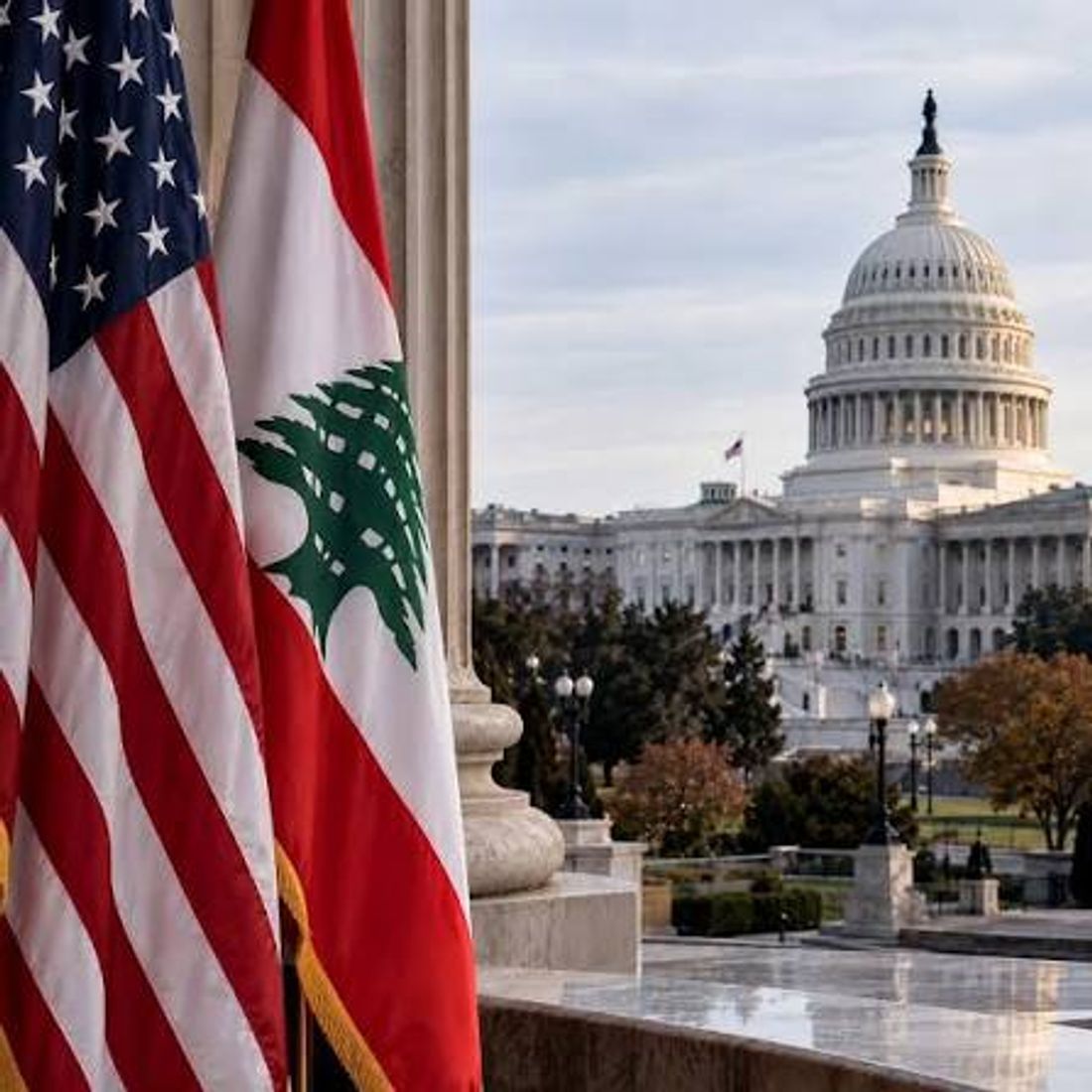
The question is being raised about the repercussions of these elections and the possibility of a change in the current U.S. policy toward Lebanon.
In this regard, Al-Liwaa reported that experts in U.S. politics believe that the essence of American policy toward Lebanon is based on the continuation of strategic constants. The core of U.S. policy toward Lebanon does not usually change with the results of midterm elections. The broad outlines related to supporting the stability of institutions—particularly the Lebanese Army—pressuring for weapons to be exclusively in the hands of the state, and limiting Hezbollah’s influence, enjoy strategic consensus between Republicans and Democrats in Congress as long as they serve Israel’s interests.
It added that the formulation of foreign policy and the management of negotiations and diplomatic mediation, particularly those related to the Lebanese-Israeli file and security arrangements in the south, remain the responsibility of the executive branch—namely President Donald Trump and his diplomatic team—regardless of the balance of power in Congress and what Trump may be able to accomplish domestically.
It explained that, regarding the direct repercussions on the Lebanese crisis and the negotiating track, pressure toward security settlements will continue. The U.S. administration, through its envoys and diplomacy, will continue pursuing negotiations and security arrangements related to the implementation of international resolutions, such as Resolution 1701, and achieving border stability. However, U.S. diplomatic activity in Lebanon will be more closely tied to broader regional calculations—such as the Iranian file, the situation in Gaza, and developments in the region—than to the results of the midterm elections alone.
Al-Liwaa continued: Observers always warn against placing too much hope on U.S. domestic election results. Midterm elections do not automatically produce a “ready-made settlement” in Lebanon’s favor, and the continued political, security, and economic pressure on Beirut is likely to persist as long as the major regional issues have not reached decisive conclusions.
It said that following President Trump’s decision to halt the traditional annual military aid to Israel beginning next January—a policy in effect since the era of former President Barack Obama—any fundamental change in the size or nature of U.S. military support for Israel would directly affect the military and political situation in Lebanon.
An-Nahar reported that the international position on fundamental issues in Lebanon is not subject to change. The joint statement issued by the embassies of the United States, Britain, Japan, Australia, and Canada reflected firmly established positions, particularly regarding the exclusivity of weapons in the hands of the state. Issued at a critical time, the statement indicates that this international position will not be affected by developments following the elections in Israel and the United States.
The statement also implicitly revealed the effective positive impact of the state’s follow-up on the explosives file, which provided the Lebanese state with credibility in demonstrating its commitments. These efforts must continue in all directions that contribute to fulfilling the commitment to the exclusivity of weapons.
Meanwhile, Ad-Diyar reported that the statement by the embassies of the “Friends of Lebanon,” supporting the position of the Lebanese state, was drafted at the U.S. Embassy in Beirut yesterday on the personal initiative of Ambassador Michel Issa to fill the American diplomatic vacuum, as U.S. attention remains focused away from the Lebanese file. Domestic priorities and the war against Iran currently dominate the American agenda.
Many questions are being raised in Lebanon about the status of the Lebanese file in Washington and the apparent decline in interest in the issue within U.S. decision-making circles, especially since the negotiating track and the framework agreement are considered a personal file for Rubio, who is competing with Vice President J.D. Vance for the presidency.
If war breaks out again, everyone will wait to see its outcome and the extent of its expansion. Lebanon is among those anxiously waiting. So far, no one knows how the U.S. president will deal with this open file. However, according to diplomatic sources, the U.S. president cannot leave it unresolved and must eventually settle it.
Will it be resolved through diplomatic means, or through a military strike aimed at forcing the Iranians to the negotiating table from a weaker position? Lebanese concerns are also linked to the country’s place in any potential agreements and fears of a regional-international understanding in which the official Lebanese authorities do not participate.
A senior official, as quoted by Al-Joumhouria, also described the situation in Lebanon as having entered a period of stalemate and stagnation that could continue for a long time.
Asked whether there were any signs that the Lebanese file would move in the foreseeable future, he said: “There is nothing on the horizon indicating movement on the Lebanon file, whether regarding direct negotiations with Israel or the framework agreement. Both matters are linked to the Israeli government. If it is formed under Netanyahu, things will return to the delays and complications seen with his previous government. If it is formed under Eisenkot, there may be a fundamental change in the Israeli approach, perhaps toward something even more difficult and complicated.”
He added that this matter will become clearer after the formation of the Israeli government—42 days after the person tasked with forming the government is appointed, with the deadline subject to extension—meaning that Lebanon faces at least three months of stagnation.
He concluded: “In my opinion, the Lebanon file has been postponed until after a U.S.-Iranian agreement takes place. I am not saying it will happen soon, but I believe it will happen eventually.”


