
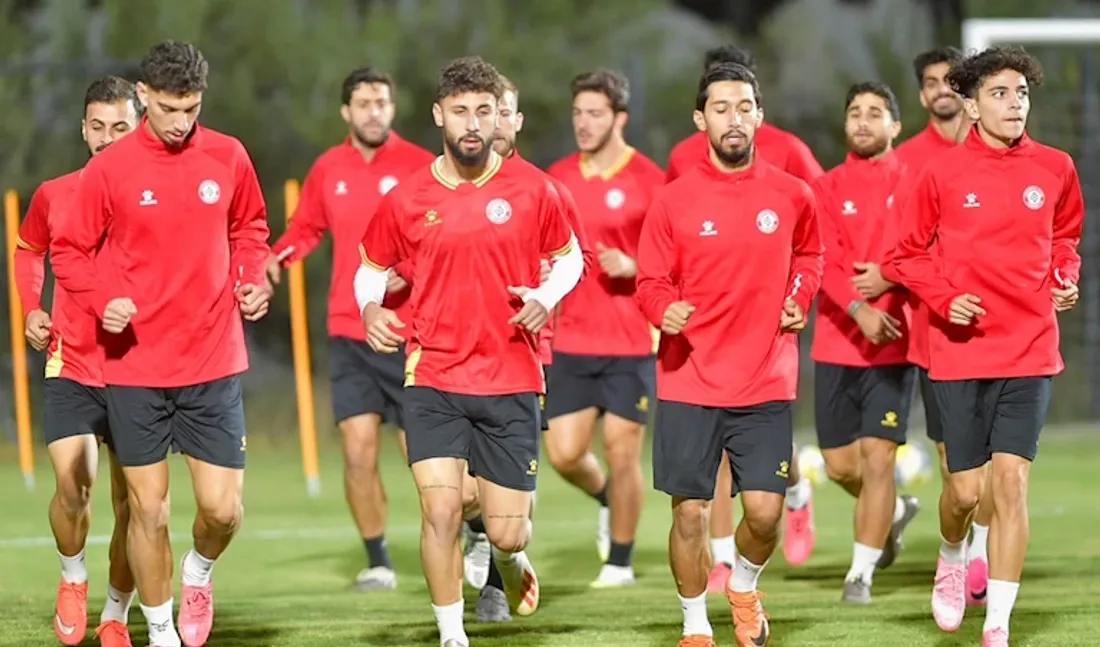
Basra | Lebanon's participation in the Basra International Tournament does not appear to be merely another fixture on the match calendar. Rather, it represents a new test of the rebuilding and renewal process led by Algerian head coach Madjid Bougherra. Facing teams of Iraq's caliber, which the Cedars take on today at 5:00 p.m. Beirut time, will give the coaching staff an opportunity to assess the squad's level against a World Cup-bound national team. It will also provide players with the competitive experience they need at a stage when they cannot afford to settle for easy matches or focus solely on immediate results.
The Lebanese national team begins its participation in the Basra Tournament at Palm Trunk Stadium, the largest stadium in Iraq, with a capacity of more than 65,000 spectators. Lebanon faces a challenging opening match before taking on Palestine next Tuesday, while the other fixture in the second round will see Iraq face Iran.
The encounter with the hosts represents more than one test for the Lebanese team, not only because of the technical and experience gap between the two sides, but also because of the expected passionate atmosphere at Basra Stadium.
However, Bougherra views these challenges from a different perspective, believing that facing strong national teams, particularly on their home ground and in front of their supporters, is an essential part of developing the squad and providing players with the experience they need.
This approach carries additional significance given the project Bougherra is working on. It is not simply about changing a few players or rearranging tactical options, but rather building a squad capable of competing progressively. This is where participation in Basra becomes important, allowing the coaching staff to assess how well players are adapting to new ideas and evaluate their level of understanding and cohesion, beyond considerations tied to the result of a single match.
In recent days, preparations have focused on both physical and tactical aspects, with particular emphasis on the match against Iraq, as the coaching staff seeks to implement the ideas it began establishing during the previous international break.
However, preparations were affected by the delayed arrival of forwards Hussein Chakroun and Sami Marhej, after Basra Airport was closed for approximately a day due to a malfunction in its only operational radar system. This will force the coaching staff to make adjustments to its lineup plans, with Reda Khadra expected to make his first appearance in Lebanon's colors.
Naturally, the continued recruitment of expatriate players was also raised by Iraqi journalists during the press conference held on the eve of the match. The Algerian coach explained that he monitors all players holding Lebanese passports, wherever they may be, and assesses their abilities to identify those capable of strengthening the squad. This approach places the expatriate file at the heart of the technical project and opens the door to benefiting from Lebanese talent abroad, while he and his coaching staff also continue monitoring players competing in the domestic league.
However, rebuilding the Lebanese national team goes beyond technical work. Bougherra understands that expanding the pool of available players is one of the fundamental requirements for development, as it creates competition for places. Competing at the Asian level requires squad depth, particularly to compensate for absences and injuries.
Stadiums: A Key to Achieving the World Cup Dream
Bougherra is not relying solely on expatriate professionals to help Lebanon achieve its World Cup dream, an achievement he describes as one that would change the history of the entire country.
Journalists even raised the issue of stadiums, asking whether there was any interest in hosting future home matches in Iraq.
However, the Algerian coach does not hide his desire to play these matches on Lebanese soil, given the emotional and moral significance of competing in front of local supporters, as well as the role fans can play in giving players an additional boost.
In this regard, he believes it is difficult to overlook the impact that supporters' presence can have on the journey of a team seeking to regain confidence and build a new competitive identity.
Yet the desire to host matches in Lebanon faces the reality of the country's sports infrastructure and the need for stadiums that meet the technical and organizational requirements for hosting international fixtures. The issue therefore goes beyond the coach's wishes or a decision by the football federation, becoming a national responsibility that requires coordinated efforts from all relevant authorities.
In this regard, Bougherra said: "Success in football is a comprehensive national project. I know that there is interest and that official efforts have begun at the Lebanese state level to modernize sports facilities and prepare stadiums capable of hosting international matches. I hope we will play on home soil next September, when the World Cup qualifiers begin."
𝗦𝗼𝘂𝗿𝗰𝗲: 𝗔𝗹-𝗔𝗸𝗵𝗯𝗮𝗿


