
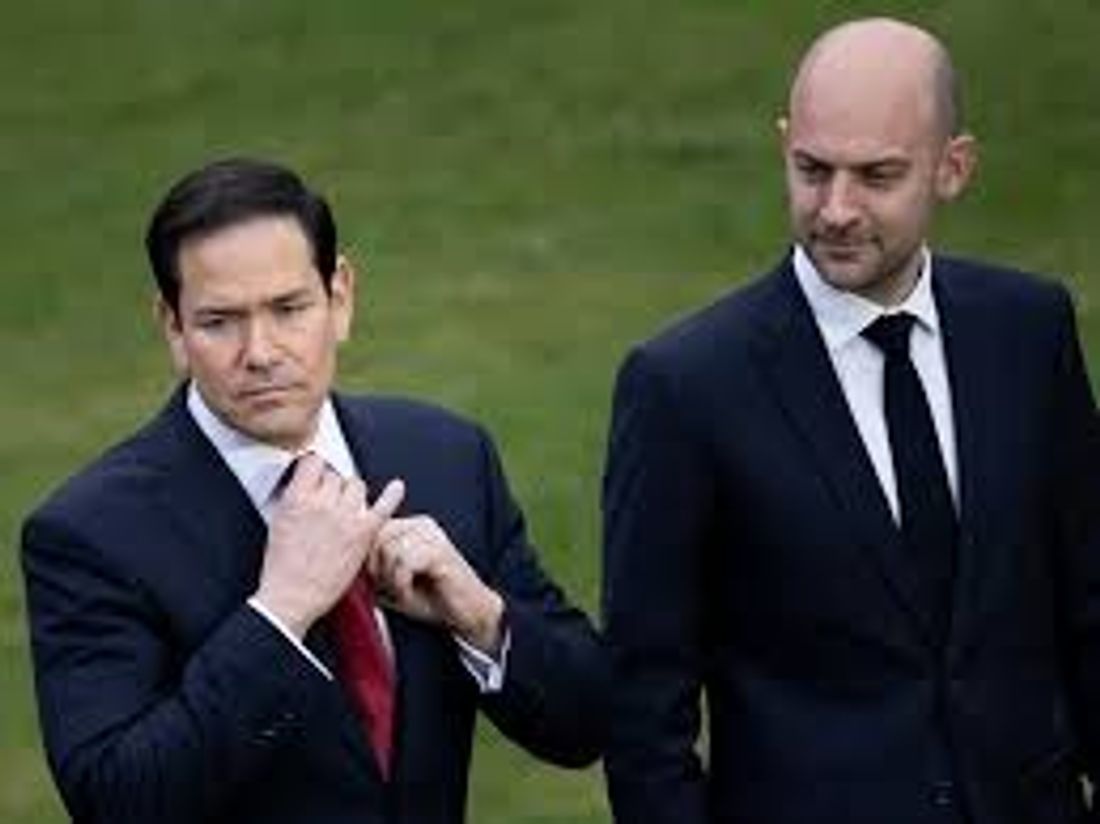
Ad-Diyar newspaper reported that the Lebanese file was discussed between the French foreign minister and his U.S. counterpart on the sidelines of the G7 summit held in Paris yesterday.
The meeting came hours after diplomatic sources leaked information indicating that the French intended to take advantage of the presence of Secretary of State Marco Rubio, who is in charge of the Lebanese file, at the summit to present a French vision aimed at advancing the course of bilateral negotiations between Lebanon and Israel.
The proposal seeks to establish a security formula that addresses the concerns of both sides and find sustainable solutions for the post-UNIFIL phase, as the gradual withdrawal of the peacekeeping force is scheduled to begin early next year.
According to the sources, Paris is “taking a middle-ground approach.” On one hand, it supports the Lebanese proposal calling for Israel to withdraw to the armistice line. On the other hand, it adopts the concept of a “gray zone,” previously defined by Israel as extending four kilometers.
France proposes activating and expanding the powers of the United Nations Truce Supervision Organization in Lebanon, increasing its personnel so it can carry out field monitoring, submit periodic reports and support the Lebanese Army's missions in that area.
France bases this option on the fact that this body is an existing UN mechanism that has been present in Lebanon since the 1949 Armistice Agreement. Therefore, strengthening its role would not require a new and complicated resolution from the UN Security Council.
In exchange for an Israeli withdrawal, the French proposal calls for strict security arrangements and guarantees to prevent any illegal military deployment or armed activity outside the framework of the Lebanese state in the gray zone. It also calls for intensifying the operational deployment and monitoring activities of Lebanese Army units in the area to ensure it remains free of any armed presence that could provide a pretext for escalation.
While awaiting U.S. and Israeli responses to the plan—which is being presented amid politically complex circumstances in both Israel and the United States—official circles in Beirut are awaiting the first concrete U.S. response following the meeting between the French and U.S. foreign ministers in Paris.
However, Lebanon is not enthusiastic about adopting the Israeli terminology that calls for a four-kilometer-deep buffer zone under the name of a “gray zone.” There is also firm opposition to evacuating the area of its residents or imposing any restrictions on their return to the occupied villages.
The primary role, according to the Lebanese position, must remain with the Lebanese Army, which should exercise full sovereignty over the area. As for strengthening, modifying and developing the Truce Supervision Committee's mission, there is no objection, as this would provide the international legitimacy to which the Lebanese state remains committed in order to prevent Israel from imposing unbalanced rules of engagement through a fait accompli.
According to informed sources, there is little expectation that the French proposal will succeed, given the U.S. and Israeli rejection of any role for Paris in the Lebanese file. However, what France is offering is considered the first serious initiative to break the deadlock in Lebanese-Israeli negotiations.
Paris hopes that political changes in Israel and Washington will lead to a shift in the hardened positions of both sides.


