
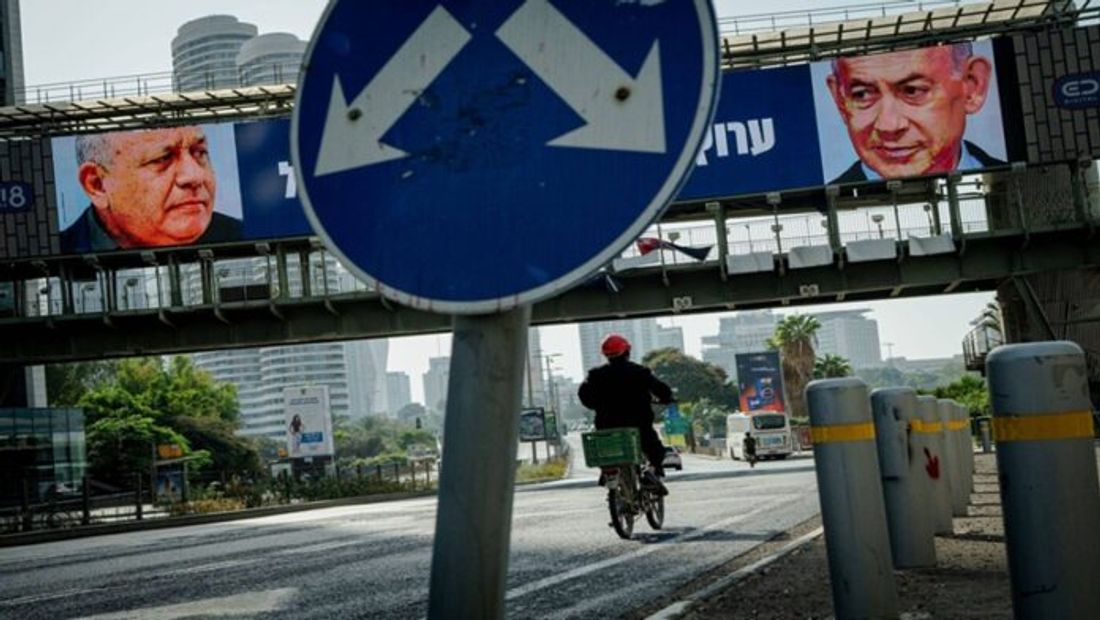
All eyes in Lebanon, across the Middle East, and in many countries around the world are turning to Israel today, as the country enters one of its most politically complex general elections, raising serious questions about the region’s future and the government that will emerge from the results.
According to An-Nahar, Lebanon, like Gaza, the West Bank, and southern Syria, is among the areas most directly affected by the Israeli elections, given the severity of its situation and the risks associated with Israel’s continued occupation of southern Lebanon. The outcome could have significant implications if the elections do not bring a major shift in Israel’s future policies, particularly regarding ongoing cycles of warfare and the fate of southern Lebanon and the country as a whole.
Lebanese political circles, particularly within the authorities, fear that the return of current Israeli Prime Minister Benjamin Netanyahu could lead to a broad escalation in Lebanon. However, even a victory for his opponents, led by former military chief Gadi Eisenkot, does not necessarily mean a fundamental change in Israeli policy beyond its borders, particularly regarding the security zones Israel has established, including in southern Lebanon.
Against this highly uncertain backdrop on the eve of the Israeli elections, Lebanon has seen no major developments, with widespread stagnation reflecting the heavy anticipation prevailing across political and other circles.
According to Al-Liwaa, Lebanon is awaiting the election results before determining the appropriate measures in response to Israeli decisions, amid concerns about a possible escalation following the vote. This comes particularly in light of Walid Jumblatt’s remarks on Monday that the United States is withdrawing from the region and that Israel is filling the resulting vacuum.
The newspaper added that the final U.S. and Israeli decisions regarding the possibility of launching a military operation against Iran remain unknown, as do the potential outcomes and their implications for Lebanon.
The Israeli military leadership reportedly rejected Netanyahu’s proposal or attempts to launch a strike against Iran before the elections. Meanwhile, his rival, opposition leader Avigdor Lieberman of the Yisrael Beiteinu party, accused Netanyahu of high treason and called for a criminal investigation against him.
Lieberman accused Netanyahu of pressuring security establishment leaders over the previous month to push Israel toward a large-scale military confrontation with Iran. He said Netanyahu was attempting to drag Israel into war on the eve of the parliamentary elections and sacrifice the security of soldiers to avoid a political defeat. Lieberman alleged that these moves were intended to disrupt the elections.
Meanwhile, Al-Joumhouria newspaper wrote that, in the period leading up to Israel’s Knesset elections and the U.S. midterm elections, local and foreign sources spreading alarm had devoted their efforts to keeping the world gripped by fears of an imminent war. They circulated scenarios involving military confrontations potentially more catastrophic and bloody than those witnessed over the past two years on the Iranian front and, by extension, the Lebanese front.
Now, with the Israeli elections taking place and the countdown to the U.S. midterm elections underway, those sources have shifted their focus to the post-election period, pushing these possibilities and scenarios further into the future.
For its part, Al-Diyar reported that Lebanon remains in a state of cautious anticipation. Official political leaders have chosen to ease tensions surrounding sensitive issues and handle contentious matters with Hezbollah calmly while awaiting developments in pressing regional and international events.
The military and diplomatic landscape remains unclear, as influential regional parties race against time to find an opening that could prevent war from returning to the region. This comes amid escalating U.S. threats whose timing is linked to the Israeli Knesset elections and the U.S. midterms, with media disinformation, political leaks, and military preparations becoming increasingly intertwined.
The newspaper concluded that no one has a definitive answer as to whether the sustained “drumbeats of war” will become reality. Questions also remain unanswered about the consequences of any new confrontation for Lebanon, which is actively engaged diplomatically in Tehran at a meeting between representatives of the Mecca Agreement countries and Iranian officials, while facing security concerns arising from Israeli military maneuvers along the border and accompanying threats that have intensified ahead of the elections scheduled for today.
The elections themselves may not provide a decisive indication of the direction events will take, given the close results reflected in opinion polls between Netanyahu and his opponents.
A political source told Nidaa Al-Watan that Lebanon is gripped by caution, close monitoring, and anticipation as it awaits the Israeli election results.
The source explained that the outcome has direct implications for Lebanon, although Israel’s overall policy is unlikely to change. Netanyahu has promised his voters that he will continue the war against Iran and its regional allies, including Hezb0llah. Meanwhile, a victory for Gadi Eisenkot could lead him to engage in competitive rhetoric to prove his ability to wage wars and achieve military objectives.
Consequently, Lebanon could be entering a new and potentially more dangerous phase, particularly given Hezb0llah’s continued adherence to its current policy.


