
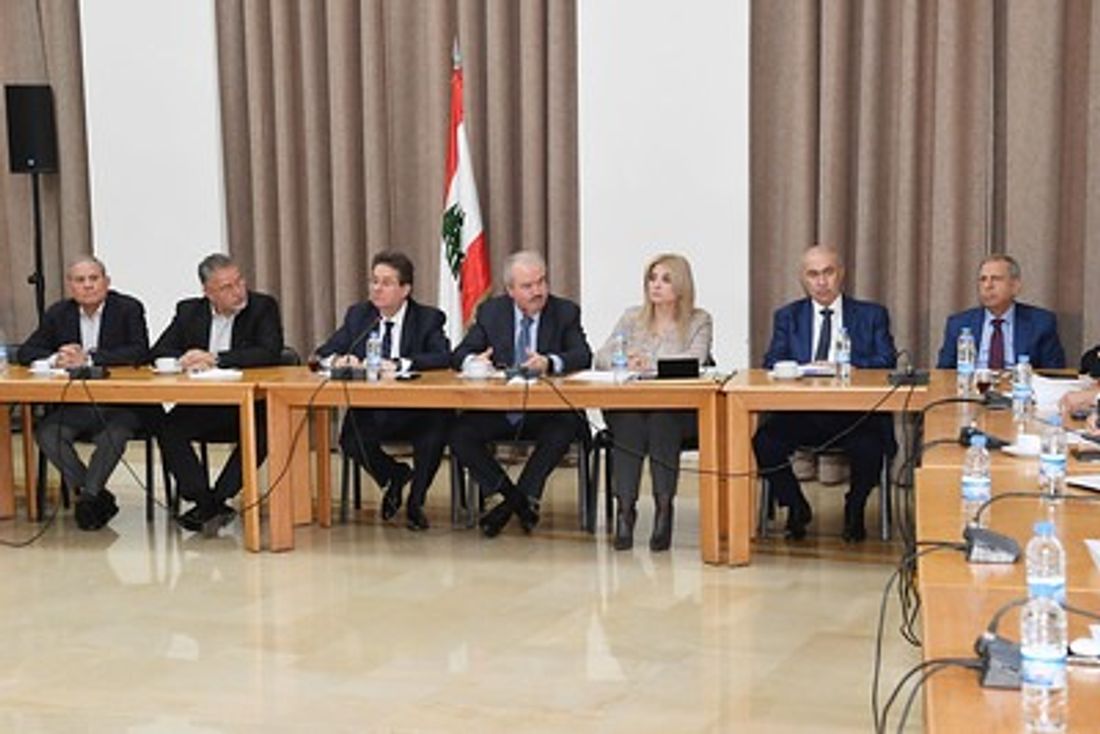
Lebanon’s Finance and Budget Committee has begun reviewing the 2027 draft state budget, with several unresolved issues from previous budgets on its agenda, including final financial accounts, taxation, and restructuring the public sector.
According to Al-Diyar newspaper, the government’s announced balance between revenues and expenditures requires careful scrutiny of its underlying revenue sources, costs, and consistency with the reforms demanded both domestically and internationally. Discussions also cover spending priorities, their effectiveness, and the fairness of distributing financial burdens among citizens.
The committee will meet three days a week, with the possibility of increasing meetings to five days when necessary, in order to complete its review of the budget provisions and allocations. The objective is to allow Parliament sufficient time to approve the budget after making any necessary amendments, before the constitutional deadlines that could permit the draft to be enacted by decree in its original government-proposed form.
The timely submission of the draft budget allows lawmakers to discuss it before the beginning of the fiscal year. However, meeting deadlines does not relieve the government of its responsibility to address issues that have remained unresolved for years, particularly the state's financial accounts.
The expiration of Parliament’s regular session in December is not, by itself, sufficient to allow the budget to be issued by decree. Article 86 of the Constitution requires the President, in agreement with the Prime Minister, to convene Parliament for an extraordinary session extending until the end of January. If Parliament fails to reach a final decision on the budget during that period, the Cabinet may adopt a decision on the basis of which the President issues a decree making the draft budget effective in the form in which it was originally submitted, provided it was presented to Parliament at least 15 days before the start of the session.
Financial Accounts Remain a Major Obstacle
Regarding the final financial accounts, referring the 2022 accounts is not sufficient to resolve the accumulated delays, while the 2024 and 2025 accounts have yet to be completed and the auditing process remains unfinished.
Article 87 of the Constitution stipulates that the final accounts for each fiscal year must be submitted to Parliament for approval before the publication of the budget for the second year following that fiscal year. This requirement links approval of the 2025 accounts to the publication of the 2027 budget.
These accounts are essential because they reveal how much public money was actually collected and spent, allowing comparisons with the amounts authorized in the budget. Without them, it becomes difficult to verify compliance with approved allocations or identify violations.
Consequently, demanding these accounts remains a fundamental condition for parliamentary oversight and determining how public funds have been used. Without actual expenditure and revenue figures, the government cannot be held fully accountable for its financial management.
Committee Rejects New Taxes and Fees
On taxation, the committee, headed by MP Ibrahim Kanaan, maintains its opposition to introducing any new taxes or fees or increasing existing financial burdens.
Lebanese citizens and businesses have yet to recover from the consequences of the financial collapse, the war, and the freezing of bank deposits. Any additional increase, however small it may appear, would add to the cost of living and production.
Finance Minister Yassine Jaber told the committee that no new taxes were being introduced, emphasizing instead the need to improve tax collection and revenue recovery.
However, the committee's examination of the budget provisions will determine the actual nature of the proposed measures: whether they target individuals and businesses evading existing taxes, increase fees, or expand the scope of taxation in ways that raise the financial burden on taxpayers.
A Budget of Nearly $7 Billion
The proposed budget amounts to approximately $7 billion, with the government seeking to balance revenues and expenditures.
Achieving this objective depends on the accuracy of revenue estimates and the ability of public administrations to collect the projected amounts. Any decline in economic activity or deterioration in the security situation could reduce revenues while increasing emergency expenditures, making a thorough review of the government's financial assumptions essential.
A substantial portion of state revenues comes from indirect taxes and fees imposed on consumption and trade. These costs are ultimately passed on to consumers through higher prices, without necessarily taking differences in income levels into account.
This makes securing government revenues particularly sensitive amid declining purchasing power and the difficulties facing many businesses.
Public Spending and the Need for Administrative Reform
Current expenditures account for approximately 90% of the budget, leaving limited room for public investment.
While ensuring fair salaries and benefits, including healthcare and social protection for public employees and retirees, remains necessary, increasing budget allocations alone will not reform public administration.
Restructuring the public sector according to its actual needs, improving the quality and productivity of public services, and controlling waste remain among the long-delayed reform priorities.
Controversy Over Permanent Legislative Amendments
The draft budget also includes permanent amendments affecting companies, real estate, expropriation, and ports, bringing renewed attention to the controversial practice known as "budget riders" — permanent legislative provisions inserted into annual budget laws.
The committee is expected to scrutinize whether each provision is directly related to authorizing revenue collection or public spending, while separating measures that reorganize entire sectors or change legal frameworks and therefore require independent legislation.
The financial impact of an amendment alone is not sufficient justification for including it in the budget, particularly when its effects are permanent and warrant broader parliamentary debate than the limited timeframe available for approving the annual budget.
The committee will continue reviewing the budget provisions and allocations, introducing the necessary amendments and safeguards before submitting its report to Parliament's General Assembly.
The challenge is to approve the budget on time without once again postponing the long-overdue issues of financial accounts, accountability, and structural reform.


