
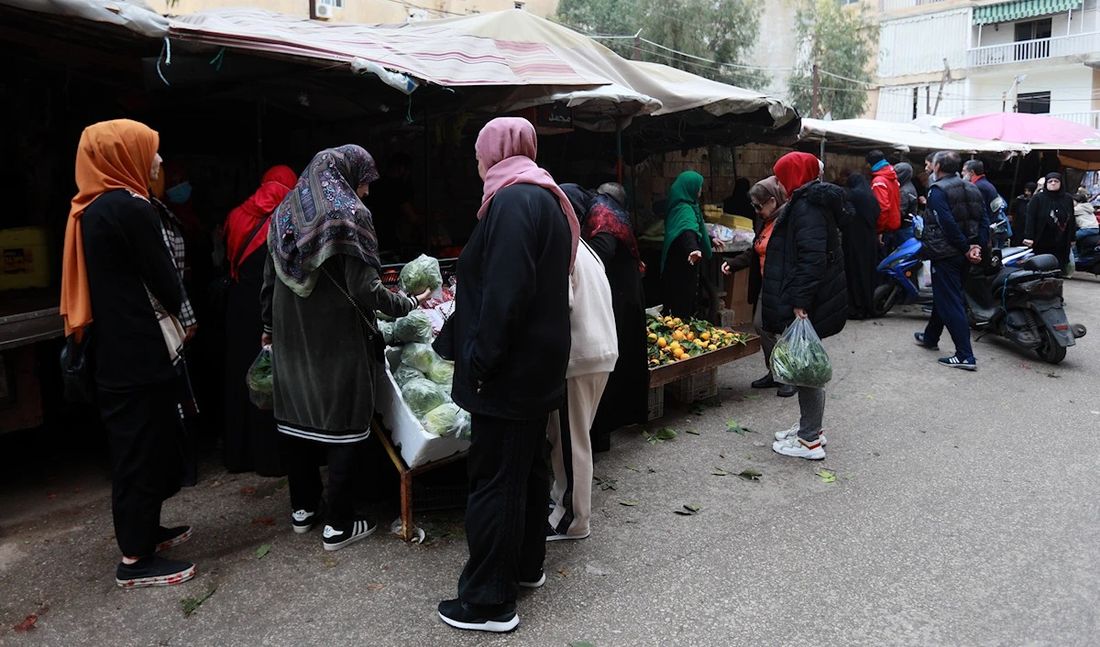
The Ministry of Agriculture, the Food and Agriculture Organization of the United Nations (FAO), and the World Food Programme have revealed that more than one million people in Lebanon are facing high levels of acute food insecurity, classified as being in crisis or worse. They warned that the number could rise to 1.15 million people by mid-2027 amid ongoing security challenges, economic pressures, and deteriorating livelihoods.
In a joint statement, the three organizations explained that the latest Integrated Food Security Phase Classification (IPC) analysis, conducted in September 2026, showed that 1.05 million people—or 21 percent of the population covered by the analysis—are facing crisis-level food insecurity or worse (Phase 3 or above) during the period from September 2026 to February 2027. Among them, 52,000 people are in the emergency phase (Phase 4).
According to the analysis, the number is expected to rise to 1.15 million people by mid-2027, representing 24 percent of the population covered, while the number of people in the emergency phase is expected to nearly double, reaching 97,000.
Decline in Percentage Does Not Mean Sustainable Improvement
The statement noted that the current percentage of people facing high levels of acute food insecurity has declined compared with the 24 percent projected in the IPC update issued in April 2026, during the peak of the displacement crisis.
It added that this decline does not reflect a sustainable improvement in household food security, but is instead linked to changes in conflict and displacement conditions. Households continue to face declining purchasing power, limited employment and livelihood opportunities, and a weak ability to withstand ongoing crises and shocks.


