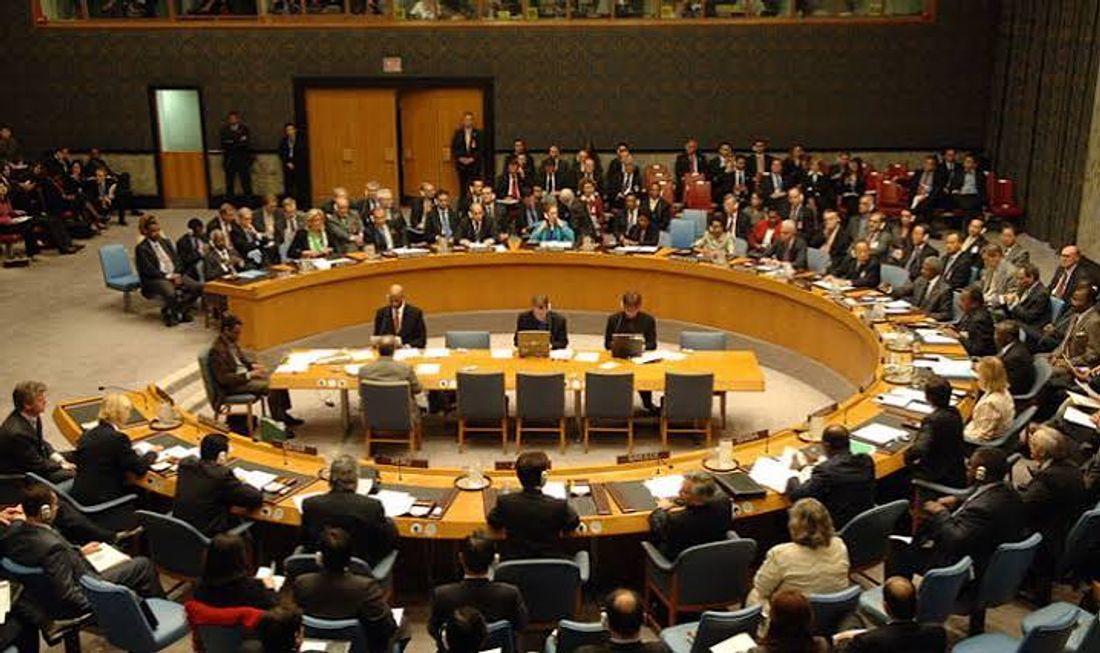
A routine session—not designated for making any decisions—was held at the United Nations yesterday, in the absence of both Lebanon and Israel, where consultations began regarding the post-UNIFIL phase. According to the newspaper Ad-Diyar, prominent political sources criticized the absence of the Lebanese Ministry of Foreign Affairs from the scene at this critically important juncture, especially since a post-UNIFIL vacuum might be less dangerous than the issuance of a UN resolution that disregards Lebanese interests. Yet, so far, no serious movement has been recorded on the part of Minister Youssef Raggi to keep pace with these contacts, given that attempts to merge the French initiative and the American mechanism could lead to turning the South into a zone subject to permanent security tutelage in which the withdrawal of occupation forces is not the priority.
Ad-Diyar stated: There are no clear answers in Beirut thus far regarding the nature of the next phase. According to diplomatic sources, France is working on introducing amendments to its initiative to establish a multinational European mission—under a UN resolution—that includes a military force in southern Lebanon. This is being done by presenting a formula for the formation of this force to Washington, in order to market it to the Israeli side and push it to accept the force in the South. This formula includes French concessions to appease Israel by granting it veto power over certain countries proposed for participation, as well as determining the size of the contingents from participating nations and allowing it direct technical access to the Lebanese Army's process of disarming Hezbollah within the verification mechanism to be agreed upon later. While Paris is attempting to maintain the UN umbrella, the American proposal seeks to establish a direct coordination mechanism between the Lebanese Army and the occupation forces.
Meanwhile, informed political sources deny that Lebanese authorities have been officially notified of a French proposal to create a transitional formula that includes retaining around 3,000 international troops, alongside discussing the continuation of certain operational activities of the current forces for an additional six months as a way out if an agreement on the replacement force cannot be reached before the end of the year. The proposed tasks for this force focus on monitoring the Blue Line, documenting violations, verifying the implementation of security commitments, and organizing liaison between the Lebanese and Israeli armies, alongside supporting the deployment of the Lebanese Army in border areas. The circulated mandates do not include granting the "new-old" force a combat mandate to disarm Hezb0llah by force, as enforcing the exclusivity of arms remains the responsibility of Lebanese military and security institutions.