
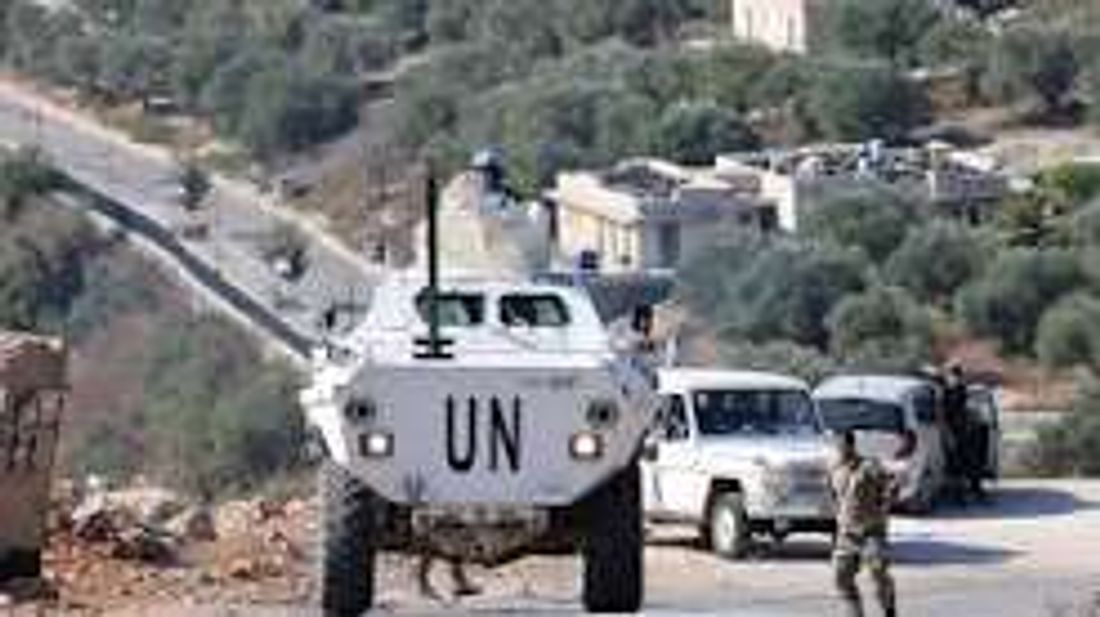
As Lebanon awaits the outcome of what may be the fiercest and most intense political contest in Israel’s history, or at least in the past half-century, it is continuing efforts to secure a European force to replace the United Nations Interim Force in Lebanon (UNIFIL) if the peacekeeping mission’s mandate is not renewed to complete the implementation of Resolution 1701.
According to an analysis published by The Jerusalem Post, Yashar Party leader Gadi Eisenkot could pursue partial withdrawals at a faster pace than Netanyahu, under American pressure, if he forms the next government. However, he would insist on maintaining a distance of eight kilometers from the border to prevent Hezb0llah from launching rockets toward northern Israeli settlements. According to the same analysis, Eisenkot would not object to a French role in southern Lebanon, unlike Netanyahu.
Informed political sources told Al-Liwaa newspaper that Lebanon’s diplomatic efforts to emphasize the importance of its position regarding Israel’s violation of the framework agreement have not diminished. The sources said Lebanon is awaiting the potential consequences of the Israeli elections and whether any changes will occur in the negotiations and in the response to Lebanon’s demand for an end to attacks, noting that expectations in this regard remain limited.
Al-Diyar newspaper did not rule out the possibility that Washington has begun implementing a “roadmap” developed by General Joseph Clearfield, head of the Mechanism Committee. The plan reportedly calls for clearing southern Lebanon of all international forces, regardless of their form, in preparation for imposing joint Israeli-Lebanese patrols inside the “Yellow Line” area as a fait accompli. This would be intended to prevent a security vacuum following the withdrawal of international forces.
The newspaper noted that this proposal had been discussed both in meetings in Tampa and in Washington, raising questions about the nature of the phase that will follow the end of UNIFIL’s mission, which party will fill the resulting vacuum, and what guarantees would prevent the proposed arrangements from becoming a reality imposed on Lebanon.
Nidaa Al-Watan newspaper quoted sources following the matter as saying that UNIFIL’s operations will end on December 31, 2026. From that date, the force will cease conducting patrols and carrying out operational tasks, and its units will return to their barracks and official headquarters. A gradual and safe withdrawal of troops, equipment, and logistical vehicles will then begin in coordination with the Lebanese authorities. The process is expected to take between four and six months.
According to the information available, proposals are being considered to establish a replacement UN monitoring team in place of UNIFIL. These proposals would build on the existing legal framework of the United Nations Truce Supervision Organization (UNTSO), which oversees the United Nations Observer Group in Lebanon (OGL) and operates primarily under the 1949 Armistice Agreement.
The proposals call for reinforcing the team with additional UN personnel and expanding its logistical and technical capabilities, enabling it to conduct field monitoring, detect violations, and document them.
Accordingly, the proposed team would not be a second version of UNIFIL or a large, widely deployed armed military force. Rather, it would be a UN monitoring and verification mechanism tasked with observing and documenting violations.


