
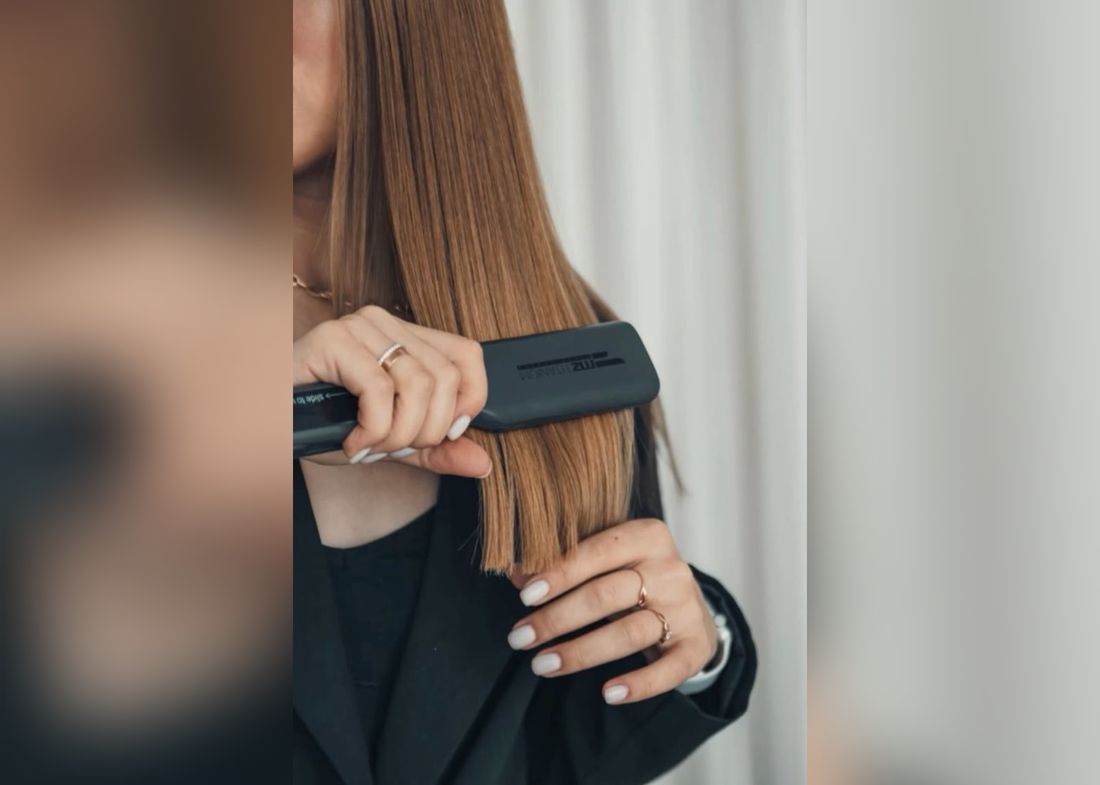
Just a few degrees can be enough to affect the hair’s natural structure and cause curly strands to lose their elasticity. While heat-styling tools can give hair a smooth, polished appearance, high temperatures and repeatedly running the plates over the same section can cause damage that goes beyond the hair’s external appearance.
𝟮𝟬𝟬°𝗖: 𝗔 𝗟𝗶𝗺𝗶𝘁 𝗪𝗼𝗿𝘁𝗵 𝗣𝗮𝘆𝗶𝗻𝗴 𝗔𝘁𝘁𝗲𝗻𝘁𝗶𝗼𝗻 𝗧𝗼
A study examining the effects of heat on hair highlighted the importance of controlling hair straightener temperatures. Researchers tested seven commercially available devices at temperatures ranging from 185°C to 235°C, using plates of different widths. The experiments involved passing the devices over hair strands repeatedly, up to 300 times, to assess their ability to regain their natural curl after styling and exposure to moisture.
The results showed that temperatures exceeding 200°C may cause irreversible changes to certain protein structures within the hair cortex. These structures contribute to the hair’s strength, elasticity, and ability to retain its natural shape. As temperatures rise, the damage becomes more pronounced, and curly strands may lose some of their elasticity and their ability to return to their original shape after exposure to moisture.
However, this threshold does not mean that using a straightener at 200°C is safe for all hair types. The study was conducted on Type 3 and Type 4 curly hair under specific experimental conditions. The findings also indicated that plate width may influence the extent of damage, with changes observed in some tests when wide plates were used at 200°C. Therefore, lowering the temperature remains the best option for reducing potential damage. A temperature of around 180°C or lower is recommended, particularly for frequent heat styling, while taking the hair’s type and condition into account.
𝗛𝗼𝘄 𝗖𝗮𝗻 𝗬𝗼𝘂 𝗣𝗿𝗼𝘁𝗲𝗰𝘁 𝗬𝗼𝘂𝗿 𝗛𝗮𝗶𝗿 𝗙𝗿𝗼𝗺 𝗛𝗲𝗮𝘁 𝗗𝗮𝗺𝗮𝗴𝗲?
The effects of heat-styling tools depend not only on temperature but also on how many times the plates pass over each section and the condition of the hair before styling. To achieve a polished look while minimizing damage, follow a few simple steps.
𝗖𝗵𝗼𝗼𝘀𝗲 𝘁𝗵𝗲 𝗥𝗶𝗴𝗵𝘁 𝗧𝗲𝗺𝗽𝗲𝗿𝗮𝘁𝘂𝗿𝗲: Avoid turning the heat up to its maximum setting in an attempt to achieve results faster. Start at a low temperature and increase it gradually if necessary, avoiding unnecessary exposure to high heat.
𝗥𝗲𝗱𝘂𝗰𝗲 𝘁𝗵𝗲 𝗡𝘂𝗺𝗯𝗲𝗿 𝗼𝗳 𝗣𝗮𝘀𝘀𝗲𝘀: Divide your hair into small sections and glide the straightener smoothly and consistently over each one instead of repeatedly passing the plates over the same section. Repeated heat exposure can increase stress on the hair fibers.
𝗗𝗼𝗻’𝘁 𝗦𝗸𝗶𝗽 𝗛𝗲𝗮𝘁 𝗣𝗿𝗼𝘁𝗲𝗰𝘁𝗮𝗻𝘁: These products can help reduce styling-related damage by forming a protective coating around the hair shaft and, in some formulations, reducing protein loss. However, they do not provide complete protection against high temperatures and cannot replace proper temperature control.
𝗨𝘀𝗲 𝘁𝗵𝗲 𝗦𝘁𝗿𝗮𝗶𝗴𝗵𝘁𝗲𝗻𝗲𝗿 𝗢𝗻 𝗖𝗼𝗺𝗽𝗹𝗲𝘁𝗲𝗹𝘆 𝗗𝗿𝘆 𝗛𝗮𝗶𝗿: Exposing damp hair directly to the heat of the plates may cause additional damage. It is therefore essential to ensure that your hair is completely dry before styling.
𝗚𝗶𝘃𝗲 𝗖𝗼𝗹𝗼𝗿𝗲𝗱 𝗛𝗮𝗶𝗿 𝗘𝘅𝘁𝗿𝗮 𝗖𝗮𝗿𝗲: Hair that has been bleached, dyed, or chemically treated may be more prone to breakage and dryness. This makes lowering the temperature and minimizing heat styling as much as possible particularly important.
𝗦𝗼𝘂𝗿𝗰𝗲: 𝗲𝗹𝗹𝗲 𝗮𝗿𝗮𝗯𝗶𝗮


