
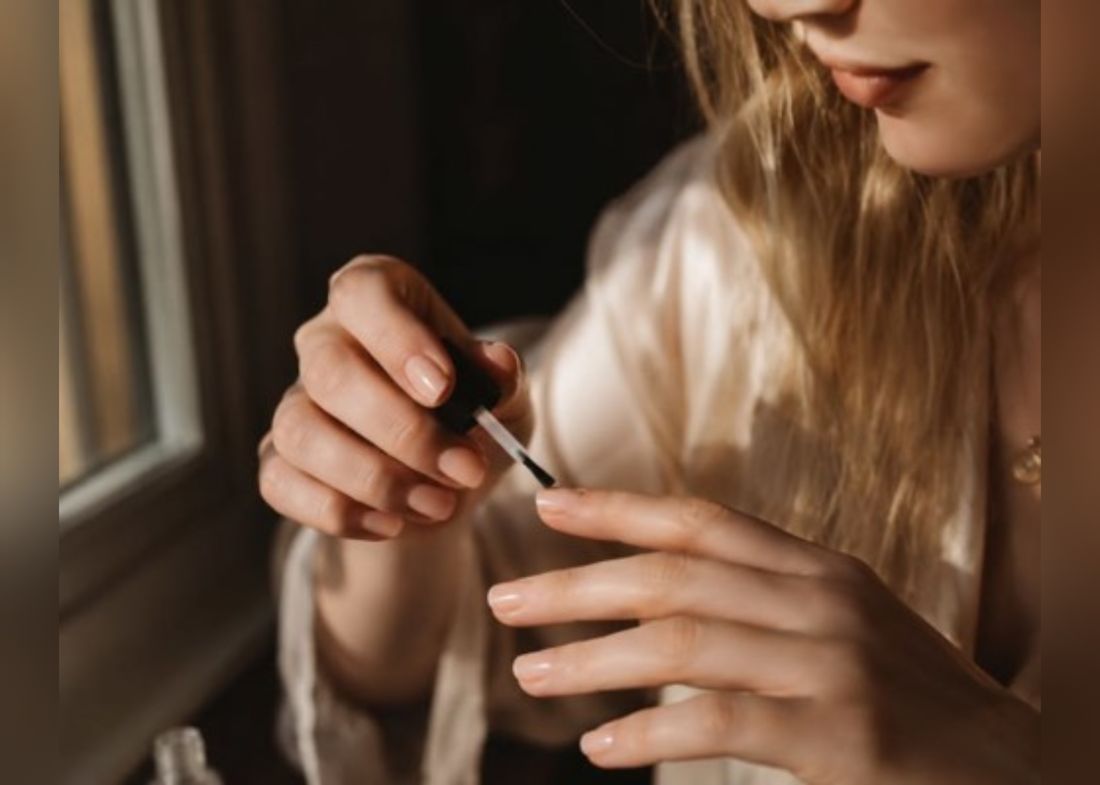
Weak nails are a common concern for many women, especially when they become brittle, split at the edges, or break before they have a chance to grow. Although occasional nail breakage is usually nothing to worry about, persistent weakness may indicate nutritional deficiencies, excessive exposure to water and chemicals, or daily habits that gradually damage the nail structure.
𝗖𝗮𝘂𝘀𝗲𝘀 𝗼𝗳 𝗪𝗲𝗮𝗸 𝗡𝗮𝗶𝗹𝘀
Several factors can contribute to weak nails. Here are some of the most common:
1- Nutritional Deficiencies
A lack of essential nutrients, particularly iron, zinc, protein, and certain B vitamins, can affect nail health and make nails brittle. For example, iron deficiency is sometimes associated with thin, brittle nails that break easily. Since nails rely on adequate nutrition to grow properly, maintaining a balanced diet is essential.
2- Frequent Exposure to Water
Washing dishes, cleaning, and frequent handwashing can weaken nails over time. Nails absorb water and expand, then contract as they dry. Repeated cycles of expansion and contraction make them more prone to splitting and peeling.
3- Excessive Use of Nail Care Products
Frequent manicures, gel polish, acrylic nails, and acetone-based nail polish removers can gradually damage the nail surface, especially when these products are removed incorrectly or when nails are repeatedly filed and buffed.
4- Hormonal Changes and Aging
Hormonal fluctuations, certain health conditions, and the natural aging process can affect the texture, thickness, and growth of nails, making them more susceptible to breakage.
𝗛𝗼𝘄 𝗧𝗼 𝗦𝘁𝗿𝗲𝗻𝗴𝘁𝗵𝗲𝗻 𝗪𝗲𝗮𝗸 𝗡𝗮𝗶𝗹𝘀 𝗡𝗮𝘁𝘂𝗿𝗮𝗹𝗹𝘆
Restoring nail strength requires consistency, along with a combination of proper nutrition and gentle nail care.
Start by incorporating protein-rich foods such as eggs, fish, nuts, leafy green vegetables, and legumes into your diet. These foods provide nutrients that support healthy nail growth. Iron-rich foods, including lentils, spinach, and red meat, also help maintain healthy iron levels in the body.
If you suspect a nutritional deficiency, a blood test can help determine whether you need to take supplements.
Moisturizing your nails and the surrounding skin is another important step. Make sure to regularly apply a nourishing cuticle oil or hand cream, especially after washing your hands. This helps reduce dryness and protect both the skin around the nails and the nail surface itself.
It is also advisable to take a break from gel polish and acrylic nails if your nails have become extremely brittle. Keep your nails at a manageable length, file them gently in one direction, and wear protective gloves when cleaning or washing dishes.
𝗪𝗵𝗲𝗻 𝗦𝗵𝗼𝘂𝗹𝗱 𝗬𝗼𝘂 𝗪𝗼𝗿𝗿𝘆 𝗔𝗯𝗼𝘂𝘁 𝗪𝗲𝗮𝗸 𝗡𝗮𝗶𝗹𝘀?
If your nails continue to break despite changing your nail care routine, you should consult a dermatologist. Persistent brittleness, unusual discoloration, changes in nail thickness, or separation of the nail from its nail bed may sometimes indicate an underlying health condition or nutritional deficiency.
𝗦𝗼𝘂𝗿𝗰𝗲: 𝗘𝗹𝗹𝗲 𝗔𝗿𝗮𝗯𝗶𝗮


