
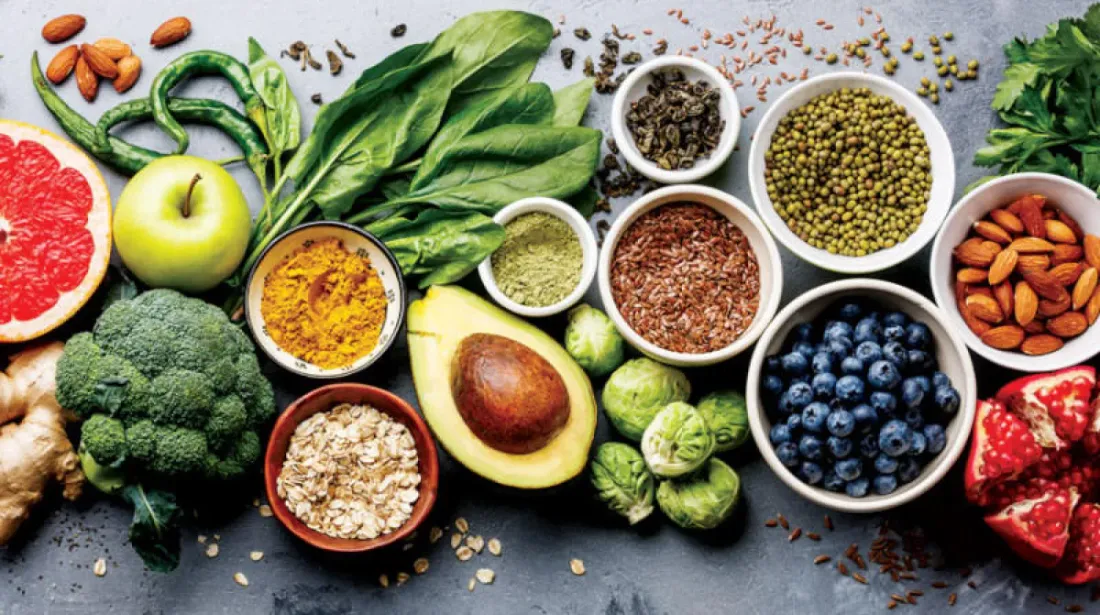
Although cholesterol is essential for building cells, producing hormones, and carrying out many vital functions, high levels of low-density lipoprotein (LDL), or “bad” cholesterol, in the blood can lead to plaque buildup inside the arteries, increasing the risk of heart disease and stroke.
However, certain foods can help the body eliminate more cholesterol or limit its absorption into the bloodstream, according to Verywell Health.
Registered dietitian Alexander Leretiz explains that cholesterol undergoes a continuous process in the body involving production, recycling, use, and elimination.
“Cholesterol is constantly being produced, recycled, used, and eliminated within the body,” Leretiz says.
The foods we eat can influence this process in several ways, from trapping cholesterol-related compounds in the digestive tract to helping the liver remove LDL cholesterol from the bloodstream.
Here are five types of foods that may help maintain healthy cholesterol levels.
1\. 𝗢𝗮𝘁𝘀
Oats, along with other whole grains such as barley, are rich in beta-glucan, a type of soluble fiber that forms a gel-like substance when it mixes with fluids in the digestive tract.
This gel helps trap bile acids, which the body produces from cholesterol to aid in fat digestion.
Under normal circumstances, the body recycles much of these acids. However, soluble fiber helps eliminate some of them through bowel movements.
“Because bile acids are made from cholesterol, losing them prompts the liver to use more cholesterol to replace what has been lost, ultimately helping lower LDL cholesterol levels,” Leretiz explains.
2\. 𝗟𝗲𝗴𝘂𝗺𝗲𝘀
Legumes, including chickpeas, black beans, lentils, and dried peas, are another excellent source of soluble fiber that helps lower cholesterol levels.
Mindy Haar, PhD, a nutrition specialist, explains that the soluble fiber in legumes works similarly to that found in oats by reducing the reabsorption of bile acids, prompting the liver to use more cholesterol to replace them.
These foods may offer another potential benefit. Haar notes that gut bacteria ferment certain types of soluble fiber, converting them into short-chain fatty acids.
These compounds may help slow cholesterol production by signaling the liver to reduce the amount it produces.
However, researchers are still investigating the extent to which these compounds contribute to lowering cholesterol levels in humans.
3\. 𝗙𝗿𝘂𝗶𝘁𝘀 𝗮𝗻𝗱 𝗩𝗲𝗴𝗲𝘁𝗮𝗯𝗹𝗲𝘀
Fruits and vegetables, particularly those rich in soluble fiber, can help lower blood cholesterol levels.
According to Haar, apples and citrus fruits are especially rich in pectin, a type of soluble fiber that helps the body eliminate cholesterol during digestion.
In addition to fiber, fruits and vegetables contain compounds known as plant sterols, which help reduce the amount of cholesterol absorbed by the intestines.
Leretiz explains that the chemical structures of plant sterols and stanols closely resemble that of cholesterol, allowing them to interfere with its absorption in the small intestine.
“This ultimately means that less cholesterol is absorbed by the body and more is eliminated through the stool,” he adds.
4\. 𝗡𝘂𝘁𝘀 𝗮𝗻𝗱 𝗦𝗲𝗲𝗱𝘀
Nuts such as almonds, walnuts, and pistachios, along with chia seeds and flaxseeds, provide a combination of heart-healthy unsaturated fats and fiber that can help lower LDL cholesterol levels.
Unsaturated fats are particularly important when they replace saturated fats, which can raise LDL cholesterol levels in the blood.
According to Leretiz, replacing saturated fats with unsaturated fats helps the liver remove more LDL cholesterol particles from the bloodstream.
Nuts and seeds also contain fiber and other plant compounds that support healthy cholesterol levels.
They can be enjoyed as snacks, added to salads, or mixed into oatmeal and yogurt.
5\. 𝗛𝗲𝗮𝗹𝘁𝗵𝘆 𝗙𝗮𝘁𝘀
Avocados, olive oil, and fatty fish such as salmon and sardines are rich sources of fats that support heart health and can be incorporated into a balanced diet.
For example, replacing butter with olive oil or choosing fish instead of fatty cuts of red meat can reduce saturated fat intake. This is an important step toward keeping LDL cholesterol levels within a healthy range.
Fatty fish also provide omega-3 fatty acids, which are particularly effective at lowering triglyceride levels, another type of fat found in the blood.
Although omega-3 fatty acids do not necessarily lower LDL cholesterol, they offer additional benefits for cardiovascular health.
𝗦𝗼𝘂𝗿𝗰𝗲: 𝗔𝗮𝘄𝘀𝗮𝘁


