
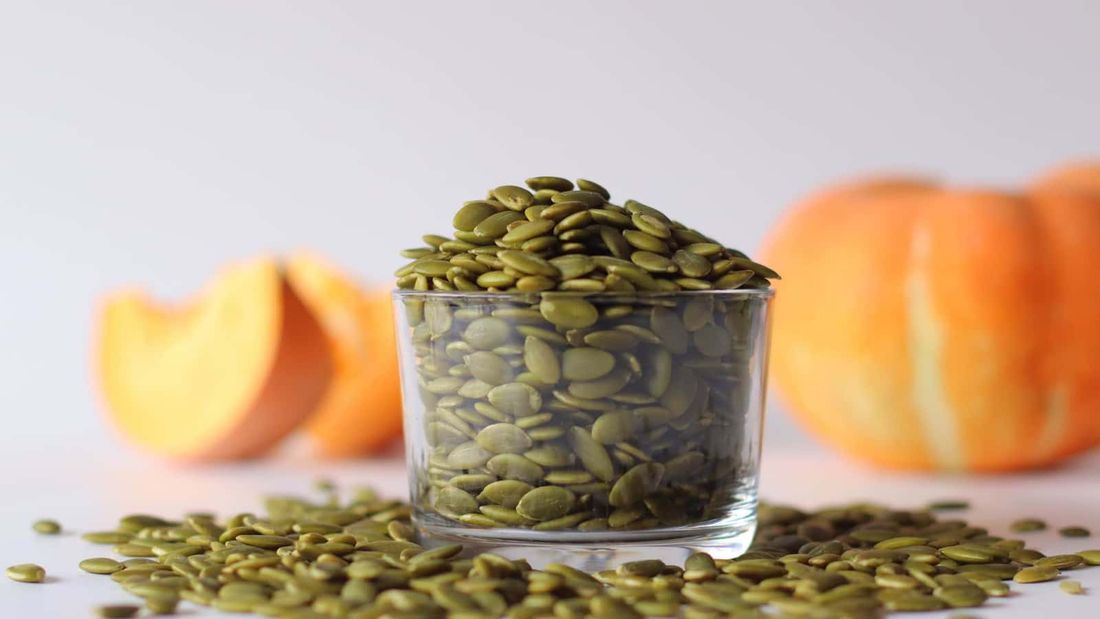
Nuts and seeds may help maintain stable blood sugar levels when included as part of a balanced diet. However, pumpkin seeds may have an additional advantage over walnuts because they contain higher amounts of fiber, protein, magnesium, and zinc.
Both have a low glycemic index, meaning that eating them does not usually cause a rapid rise in blood sugar levels, making them suitable choices for people with diabetes.
According to Health, studies have reported mixed findings regarding the effect of walnuts on blood sugar control. A 2019 study found that eating walnuts daily for 16 weeks helped improve fasting blood sugar and HbA1c levels in people with metabolic syndrome. However, a scientific review published in 2020 found no significant effect in this regard.
By contrast, another study found that adding 65 grams of pumpkin seeds to a meal reduced the post-meal blood sugar response. A 2025 study also linked pumpkin seed powder supplements to lower HbA1c levels in people with type 2 diabetes.
Pumpkin seeds provide approximately three times as much fiber as walnuts and around 20% more protein, along with higher amounts of magnesium and zinc. These nutrients play important roles in metabolism and glucose regulation.
Walnuts, however, have their own advantages. They contain beneficial unsaturated fats and fewer carbohydrates than pumpkin seeds, which may make them a suitable option for people following low-carbohydrate diets.
There are currently no studies directly comparing the two to determine which is better for blood sugar control, so it is not possible to conclude that one is superior to the other.
Moderation is recommended because both are relatively high in calories. It is also advisable to choose unsalted varieties and increase portions gradually to avoid digestive discomfort.
Ultimately, blood sugar control depends on overall diet and lifestyle habits rather than eating any one particular type of nut or seed.


