
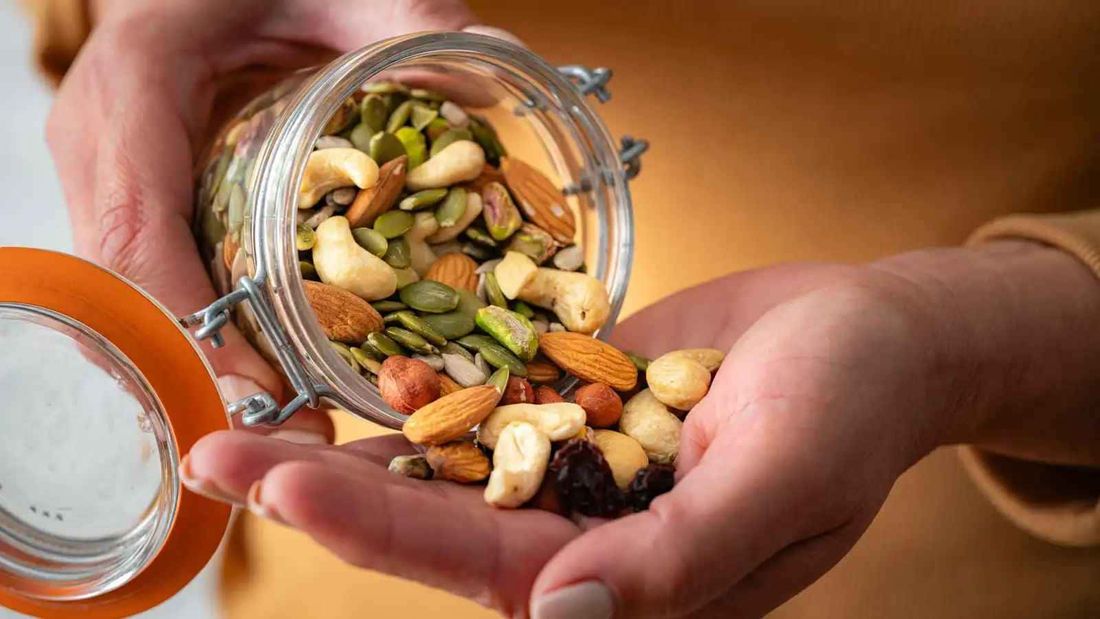
Fish are considered one of the leading sources of omega-3 fatty acids, but certain nuts and seeds also provide substantial amounts of these healthy fats, which are associated with supporting heart and brain health and helping reduce inflammation, according to a report published by Verywell Health.
The report explained that omega-3s include several types, most notably EPA and DHA, which are found in seafood, and alpha-linolenic acid (ALA), which is found in plant-based sources. It noted that the body cannot produce ALA on its own, making it necessary to obtain it through food.
Flaxseeds top the list, with one ounce providing approximately 6.48 grams of ALA. They also contain fiber and lignans, compounds with antioxidant properties. Their consumption has been linked to improved cholesterol levels, lower blood pressure, and reduced inflammation.
Chia seeds are among the richest plant-based sources of omega-3s. One ounce, equivalent to approximately two tablespoons, contains 5.06 grams of ALA. They also provide fiber, protein, calcium, magnesium, and other minerals.
Walnuts provide approximately 2.58 grams of ALA per ounce. Eating a handful daily can help meet the body's omega-3 requirements, particularly for people following a plant-based diet.
Hemp seeds provide approximately 2.6 grams of ALA per 30 grams, along with protein containing all ten essential amino acids, making them a complete source of plant-based protein.
The list also includes pumpkin seeds, which provide ALA as well as magnesium and zinc, two minerals important for supporting immune function. Studies suggest that consuming pumpkin seeds may help lower cholesterol and blood pressure. They also contain fatty acids with anti-inflammatory properties.
Pecans are another plant-based source of omega-3s. Research suggests that including them in the diet may help lower LDL (“bad”) cholesterol and triglycerides while improving blood lipid levels. They also contain polyphenols with antioxidant properties. However, due to their high calorie content, they should be consumed in moderation, as one ounce provides approximately 196 calories.
Pistachios, although not among the richest nuts in omega-3 fatty acids, provide other nutrients, including protein, fiber, and antioxidants. One ounce contains approximately 6 grams of protein and 3 grams of fiber, supporting digestive health and helping promote a feeling of fullness.
Source: Erem News


