
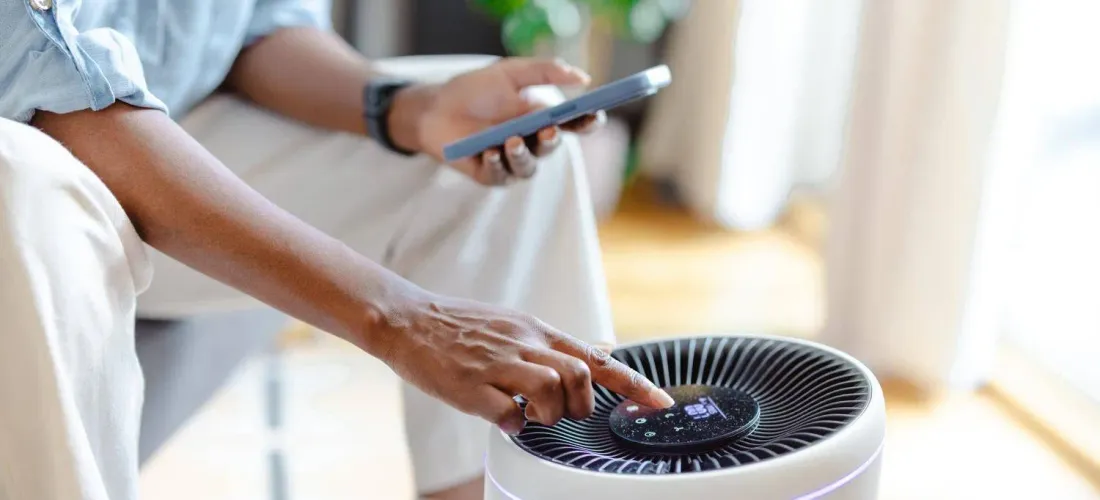
A study conducted by researchers at New York University's School of Medicine found that using air purifiers while sleeping may help people with prediabetes improve blood glucose control and reduce daily fluctuations, particularly the spikes that occur in the morning after breakfast.
The study found that using air purifiers equipped with high-efficiency particulate air (HEPA) filters was associated with reduced daily blood sugar fluctuations. The findings were presented on Monday at the American Heart Association's annual scientific sessions.
Prediabetes is a condition in which blood glucose levels are higher than normal but not high enough to meet the diagnostic threshold for diabetes. It is associated with an increased risk of heart disease and type 2 diabetes. Previous research suggests that significant fluctuations in blood sugar levels may increase health risks. According to data from the US Centers for Disease Control and Prevention (CDC), approximately half of all adults in the United States have prediabetes.
In addition to well-known risk factors such as an unhealthy diet, physical inactivity, and smoking, previous studies have linked exposure to air pollution with an increased risk of prediabetes and heart disease. Sources of pollution include vehicle exhaust, wildfires, emissions from power plants, and industrial facilities. When inhaled, fine particulate matter can reach the lungs and bloodstream, potentially causing harm to health.
To investigate whether improving indoor air quality could affect blood sugar levels, the study included more than 150 men and women with prediabetes who had no known buildup of cholesterol in their arteries.
The researchers randomly divided participants into two groups. The first used functioning air purifiers in their bedrooms for four weeks, while the second used similar devices that did not actually purify the air, allowing the researchers to compare the results.
The researchers found that using air purifiers was associated with an approximately 8% reduction in daily blood sugar fluctuations. It also led to an average 17% reduction in the overall rise in glucose levels after breakfast, as well as a 13% decrease in peak blood sugar levels following the meal.
Measurements also showed that the air purifiers reduced airborne fine particulate matter concentrations by 36%. The researchers monitored changes using continuous glucose monitoring sensors worn by participants for one week before the trial and again after four weeks. The devices recorded blood sugar levels every few minutes.
The research team also used an artificial intelligence tool to analyze glucose patterns and identify meal times, alongside statistical models that accounted for factors such as age, sex, and body mass index.
The researchers believe the findings suggest that improving air quality, particularly in bedrooms, may help stabilize blood sugar levels in people with prediabetes. HEPA-filter air purifiers could offer a relatively simple and affordable way to support cardiovascular and metabolic health, alongside a healthy diet, physical activity, and adherence to prescribed treatment.
𝗦𝗼𝘂𝗿𝗰𝗲: aawsat


