
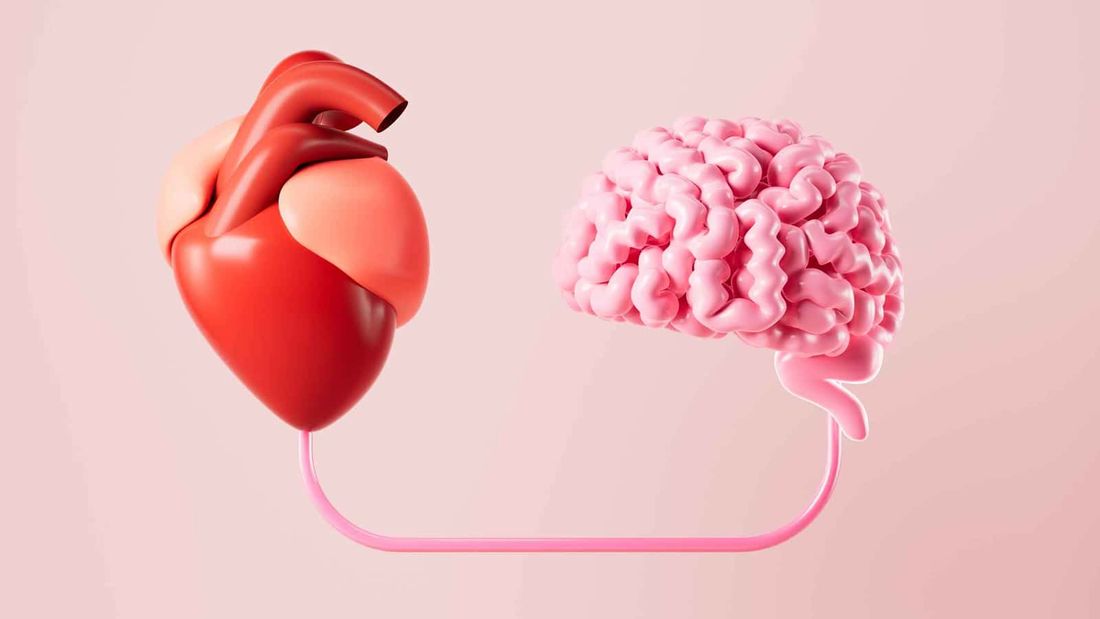
Medical studies have revealed that the early morning hours are associated with a noticeable increase in the risk of strokes and heart attacks, due to natural changes in blood pressure, hormones, and blood-clotting mechanisms that occur after waking up.
According to a report published by The Washington Post, an analysis involving approximately 12,000 patients found that the risk of stroke between 6 AM and 9 AM increases by 72% compared with the rest of the day.
Another study also found that heart attacks occur at a rate 40% higher during the period between 6 AM and noon.
Why Do Risks Increase in the Morning?
Researchers link this phenomenon to changes that accompany the body's transition from sleep to wakefulness. Melatonin levels decrease while cortisol levels rise, alongside an increase in blood pressure, which is typically 10% to 20% lower during sleep.
Platelets also become more prone to clumping together and forming blood clots in the morning. Meanwhile, levels of certain proteins that inhibit clot breakdown increase, potentially raising the risk of blood vessel blockages.
Warning Signs That Should Not Be Ignored
Stroke symptoms are not limited to facial drooping, arm weakness, and difficulty speaking. Other signs may also occur, including sudden loss of balance or visual disturbances.
Research indicates that approximately one in seven stroke patients may not exhibit the commonly recognized traditional symptoms.
Rapid Intervention Saves Lives
Doctors stress the importance of calling emergency services as soon as any sudden symptoms appear, because the speed of medical intervention has a significant impact on recovery prospects.
Advances in treatment have made it possible to mechanically remove blood clots from the brain in selected patients within a window of up to 24 hours, depending on imaging results and medical assessment.
Clot-dissolving medications, meanwhile, are generally administered within the first four and a half hours, although some selected patients may qualify for treatment under specific criteria.
Specialists emphasize the importance of determining the last time the patient was known to be in their normal condition in order to assess the most appropriate treatment options.
Source: (Erem News)


