
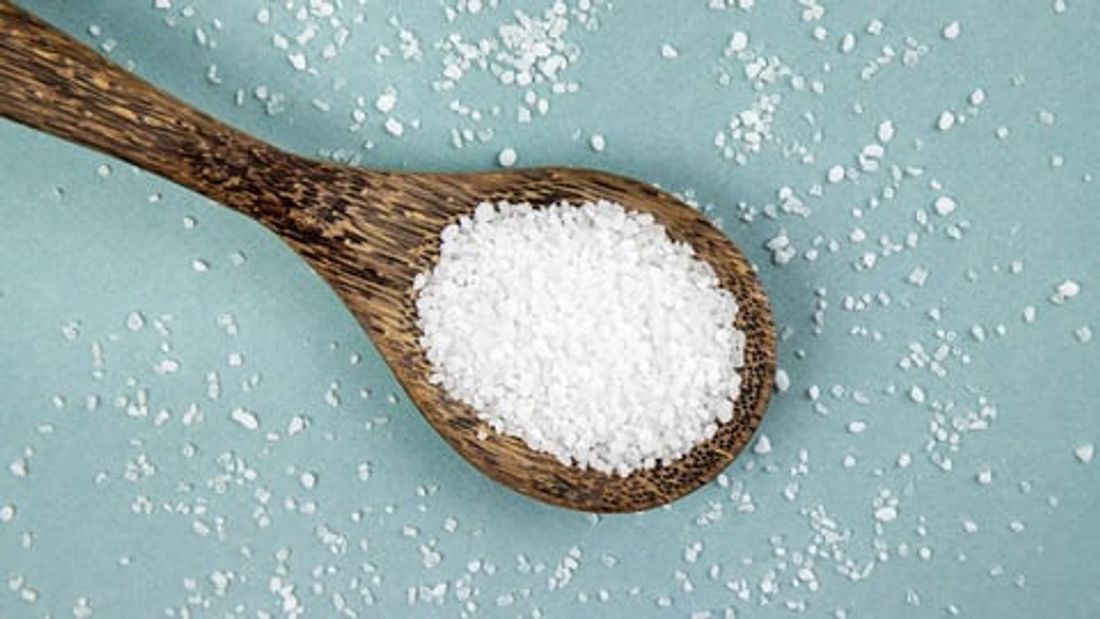
Excessive salt consumption is associated with high blood pressure, but its effects may also extend to the liver. According to the health website Verywell Health, animal studies have shown that a high-sodium diet may contribute to liver inflammation and scarring, although further research in humans is needed.
The kidneys regulate sodium levels in the body, but its effects on blood pressure, fluid balance, insulin resistance, and gut bacteria may place additional strain on the liver, according to Brian Lee, a liver disease specialist at the University of Southern California.
A study conducted on mice concluded that a diet high in fat and sodium may increase liver inflammation and scarring. However, these findings do not establish that the same effects occur in humans, the report noted.
The concern is that inflammation may lead to the formation of scar tissue, which can progress to liver cirrhosis and its complications.
𝗚𝗿𝗲𝗮𝘁𝗲𝗿 𝗥𝗶𝘀𝗸𝘀 𝗳𝗼𝗿 𝗣𝗮𝘁𝗶𝗲𝗻𝘁𝘀 𝘄𝗶𝘁𝗵 𝗖𝗶𝗿𝗿𝗵𝗼𝘀𝗶𝘀
In people with liver cirrhosis and portal hypertension, excessive salt intake may worsen fluid retention, leading to abdominal swelling and leg edema.
These patients are generally advised to consume less than 2,000 milligrams of sodium per day, in accordance with their treating medical team's recommendations.
𝗛𝗼𝘄 𝗖𝗮𝗻 𝗬𝗼𝘂 𝗥𝗲𝗱𝘂𝗰𝗲 𝗬𝗼𝘂𝗿 𝗦𝗮𝗹𝘁 𝗜𝗻𝘁𝗮𝗸𝗲?
Cooking at home with fresh ingredients can help reduce sodium consumption. It is also advisable to limit processed meats, pickles, sauces, canned soups, and restaurant meals.
Experts recommend reading nutrition labels and choosing vegetables, fruits, unsalted nuts, and fresh meat and fish. Regular physical activity and maintaining a healthy weight are also encouraged.
𝗦𝗼𝘂𝗿𝗰𝗲: 𝗘𝗿𝗲𝗺 𝗡𝗲𝘄𝘀


