
DETROIT— Detroit demolition officials say they still don't have a "reliable" projected cost for how much the city may need to spend to continue to inspect and then fix hundreds of demo sites that may have been filled with toxic dirt, according to a document provided to Detroit City Council.
On Oct. 30, the council will hold a special session with city officials in an attempt to get more answers about the price of the city's months-long effort to inspect 656 demolition sites, according to city documents. The city is testing whether contaminated dirt may have been used to fill the massive holes at the sites that were created after tearing down a blighted property.
The vast majority of the 656 sites have already been tested, and the city is awaiting test results for hundreds of sites, according to city documents. The city has set up two websites, one that shows a map of the status of testing at each location. Another posts the results of analysis for each site that has test results.
"A reliable projected cost for the remaining properties is not available at this time," reads part of the document from the city's Construction and Demolition Department. The document, made public during the Oct. 20 City Council meeting, was in response to a request from Councilman Denzel McCampbell.
The Oct. 30 meeting comes nine months after former Mayor Mike Duggan held a press conference to reveal that two separate investigations had already begun about potentially contaminated dirt being used as backfill in sites where homes had been demolished.
City officials say the cost to continue to inspect those sites is unknown because of variables at each one. That includes "the amount of material requiring excavation, verification testing results, disposal requirements based on the materials identified, and market conditions such as fuel and hauling costs," according to the letter from the city of Detroit Construction & Demolition Department.
Detroit City Council wants more specifics, and some council members are concerned that the city hasn't budgeted enough to cover the remediation costs for the contaminated dirt as well as ongoing demolitions.
"In the conversation that we've had with the administration, on just the back-of-the napkin math, I'm concerned about . . . being within our means," said McCampbell during an Oct. 19 council committee meeting.
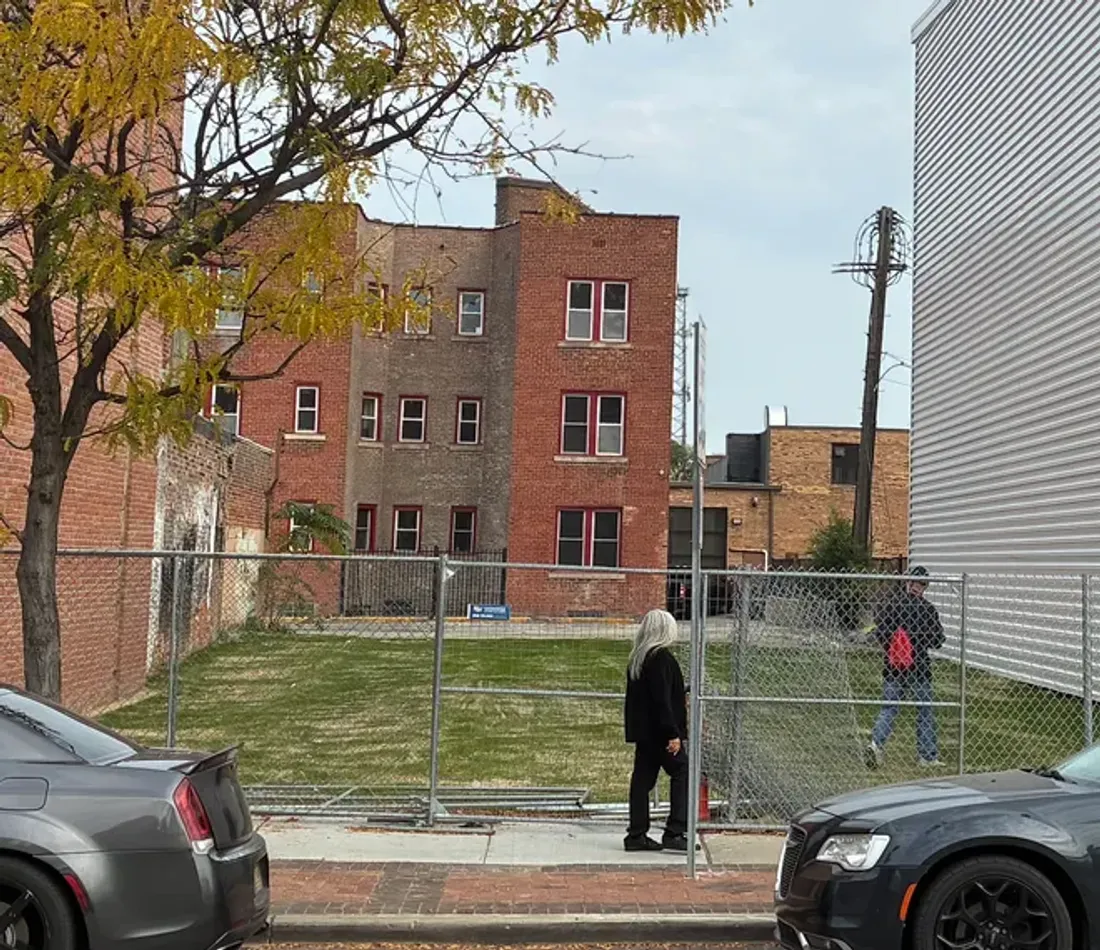
One recent example of the rising cost is the former home at 2257 Edsel in southwest Detroit that was demolished by the city. The original cost to demo the home and fill the leftover hole with backfill dirt from another site was $26,000. But the city had to remove and replace the backfill due to potentially contaminated dirt. That doubled the cost at the site to $57,000, according to city documents.
City officials are "preparing updated information for the October 30 special session with City Council and will share that information with you when it is available after the briefing" said Raquel Harrington, a spokeswoman for the city's Construction and Demolition Department.
A former home at 2257 Edsel in southwest Detroit that was demolished by the city. Because the city had to remove, replace backfill due to potential contaminated dirt, the cost more than doubled to $57,000.
Council President James Tate said "we want to make sure Council has a clear understanding of the current status, the work that has taken place and any outstanding concerns as we determine the appropriate next steps," in a statement to The News.
The controversy stems from one of former Mayor Duggan's signature achievements ― tearing down more than 27,000 empty, blighted homes over 12 years, an effort that required $265 million in federal funding. In 2020, Detroit voters approved another $250 million for demolitions through Proposition N.
The city has budgeted nearly $21 million for fiscal year 2027 to support demolitions, according to city records. As of July 1, about $12.6 million on Proposal N remained available.
Site of a $50,000 emergency demolition by the city of Detroit at 6420 and 6426 Woodward Avenue. A City Council committee delayed final approval of the contract out of concerns of rising costs at demolition sites.
In some cases, there have been delays in the city paying contractors who have already done work at individual sites and approving more demolitions because council members are not getting answers about costs.
"I don't appreciate getting bombarded by the administration calling me to move these out of committee,' said Councilwoman Gabriela Santiago-Romero during an Oct. 19 council committee meeting where more than a dozen individual demolition contracts were on the agenda. The committee needs to allow the contracts to move on to a full council vote.
'It's making me upset that I'm being pressured for one thing and not getting answers for the other," Santiago-Romero said. "I just have. . . systemic disagreements with how we're doing this work, which is why I've been voting no for a majority of these," she said, referring to various individual demolition contracts.
The committee delayed moving the demolition contracts to full council for final approval.
The Friday, Oct. 30 council meeting is at 10 a.m. and will be on the 13th floor of the Coleman A. Young Municipal Center downtown, 2 Woodward Avenue. The meeting is open to the public and will be livestreamed.


