
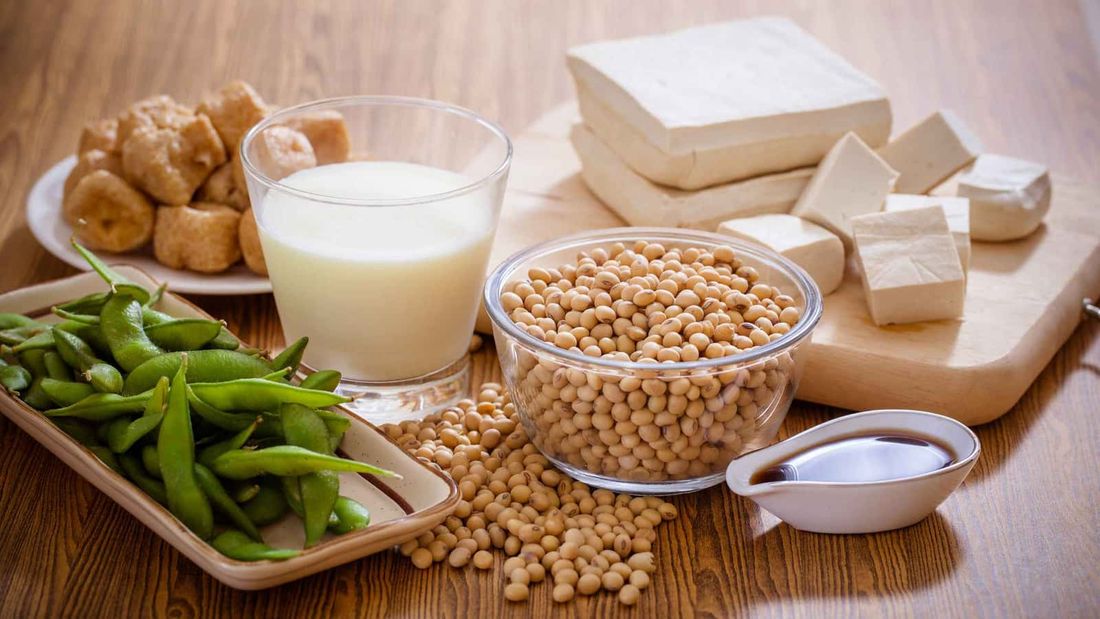
A Japanese study has revealed a potential association between the consumption of certain soy foods and improved kidney health indicators in people with diabetes, highlighting the role of diet in reducing complications associated with the disease.
The study, which included approximately 5,000 people, examined the relationship between the consumption of traditional soy products, such as tofu, miso, and natto, and indicators of kidney function, in an effort to understand how these foods may affect the health of people at greater risk of developing kidney disease.
The findings, published in the Journal of Diabetes Investigation, indicated that consuming certain soy products was associated with better kidney function indicators among participants with diabetes. This may increase interest in dietary components that could help reduce the risk of complications associated with the disease.
Potential Benefits
Kidney disease is a common complication of diabetes, as prolonged high blood sugar levels can damage the tiny blood vessels inside the kidneys, weakening their ability to filter the blood and eliminate waste products.
Soy foods contain plant-based protein and isoflavone compounds, along with other nutrients that may have beneficial effects on metabolic processes and vascular health.
However, the study's findings do not prove that consuming soy prevents kidney damage or treats kidney disease, as the association observed does not necessarily indicate a direct cause-and-effect relationship.
This highlights the need for further studies to determine the nature of the effect and the appropriate amounts of these foods to consume. Meanwhile, maintaining controlled blood sugar and blood pressure levels, along with adhering to medical treatment, remains essential to protecting kidney health in people with diabetes.


