
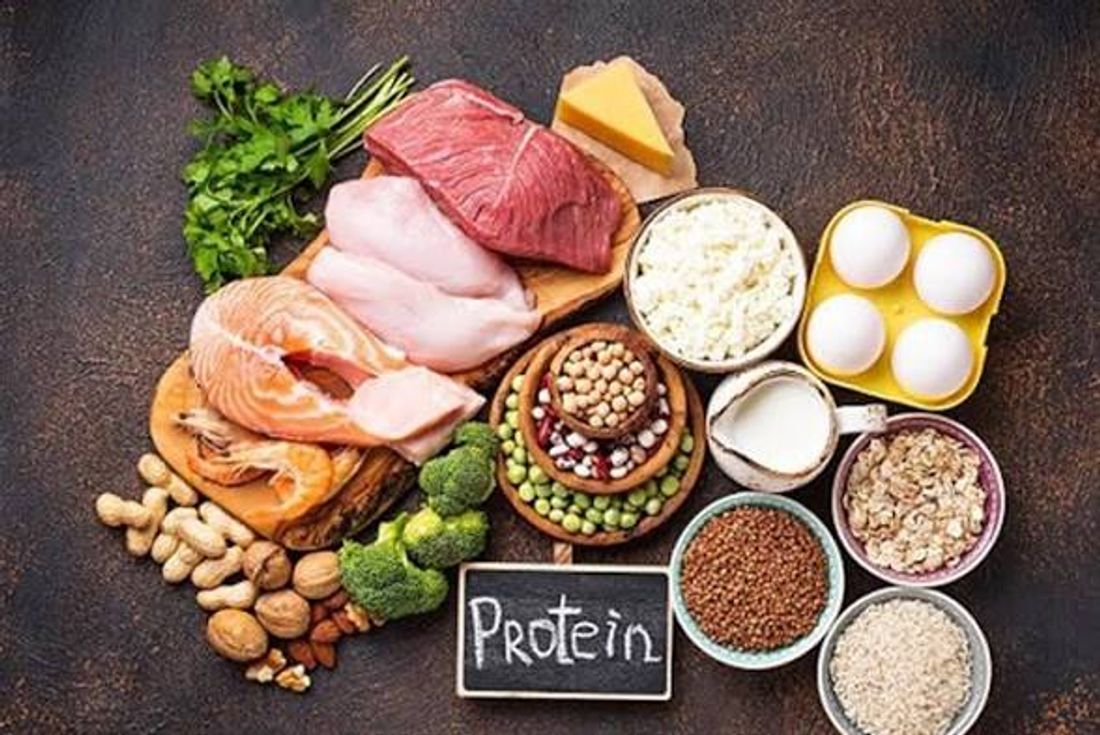
The impact of food on the body goes beyond the amount we consume; it also depends on the nature and sources of its ingredients. In this context, a new scientific study has drawn attention to the differences between animal and plant proteins, identifying an association between switching to plant-based protein sources and weight loss among a group of adults.
According to a report published by the Italian newspaper La Repubblica, a study published in the journal BMJ Nutrition, Prevention & Health, conducted by researchers from the Physicians Committee for Responsible Medicine in Washington, found that replacing animal protein sources with plant-based alternatives was associated with weight loss without deliberately restricting calorie intake.
The study involved 62 overweight adults. Researchers compared two dietary approaches: a low-fat, plant-based diet centered on vegetables, fruits, whole grains, and legumes, and a Mediterranean-style diet that included fish, white meat, and a variety of plant-based foods.
After a 36-week follow-up period, 52 participants completed the study. The findings showed that the plant-based diet phase was associated with an average weight loss of approximately 6 kilograms, while no significant weight reduction was recorded during the Mediterranean diet phase.
Researchers also observed a decline in animal protein consumption and an increase in plant protein intake, with greater dietary shifts associated with more noticeable weight loss.
Despite the significance of these findings, they do not establish that protein sources alone are responsible for weight loss, nor are they sufficient to generalize the results to everyone. Dietary variety, balance, and meeting nutritional requirements remain essential considerations when choosing a diet.
Source: Erem News


