
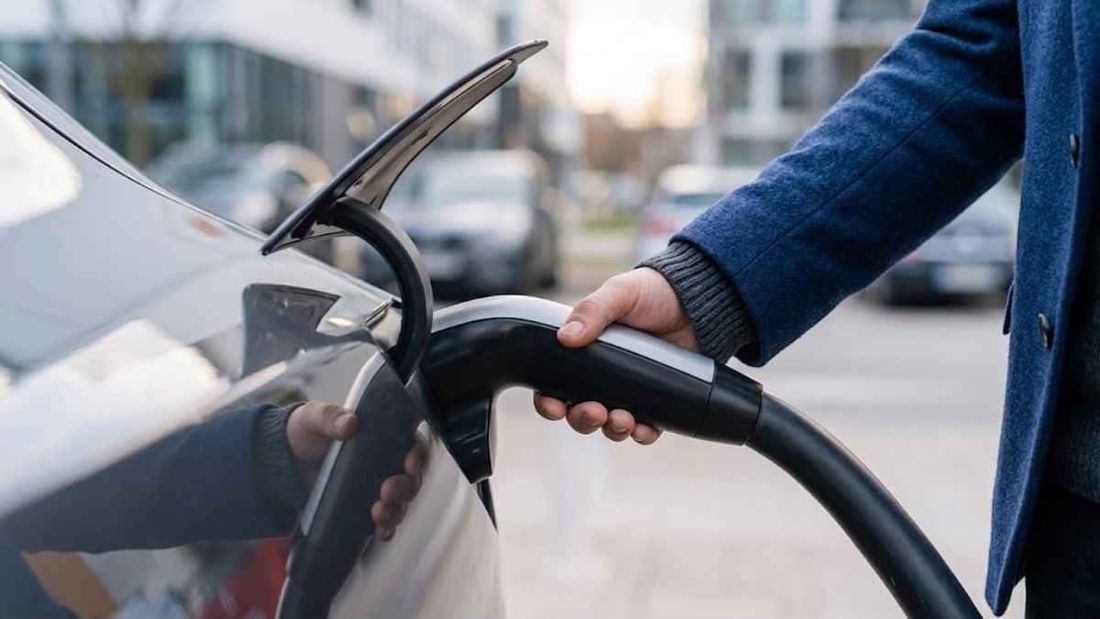
An electric vehicle battery does not need to experience a sudden malfunction for its performance to begin declining. Certain everyday habits that drivers adopt, believing they save time and effort, may accelerate battery degradation and reduce the distance the vehicle can travel on a single charge.
From fast charging to exposure to high temperatures, a recent study highlights several factors that may cause batteries to lose part of their storage capacity faster than many people expect.
These findings are particularly significant as reliance on electric vehicles continues to grow and the cost of replacing their batteries remains high, given that batteries are among the most expensive components of these vehicles.
As battery capacity declines, the amount of energy it can store decreases, affecting both driving range and the vehicle's resale value.
𝗙𝗮𝘀𝘁 𝗖𝗵𝗮𝗿𝗴𝗶𝗻𝗴: 𝗧𝗵𝗲 𝗕𝗮𝘁𝘁𝗲𝗿𝘆'𝘀 𝗕𝗶𝗴𝗴𝗲𝘀𝘁 𝗘𝗻𝗲𝗺𝘆
Frequent reliance on direct current (DC) fast charging is considered one of the main factors associated with accelerated battery degradation.
Although this technology saves time, allowing the battery to reach approximately 80% charge within 20 minutes to an hour, frequent use may accelerate the loss of battery capacity.
The study found that vehicles using fast charging in 12% or more of their charging sessions experienced an annual battery capacity decline of 2.5%, compared with approximately 1.5% for vehicles that relied on fast charging in less than 12% of their sessions.
The issue is not limited to the frequency of fast charging; the charger's power output also matters. Vehicles that frequently relied on chargers exceeding 100 kilowatts recorded an annual degradation rate of 3%, compared with 2.2% for vehicles that frequently used lower-powered fast chargers.
𝗛𝗶𝗴𝗵 𝗧𝗲𝗺𝗽𝗲𝗿𝗮𝘁𝘂𝗿𝗲𝘀 𝗔𝗰𝗰𝗲𝗹𝗲𝗿𝗮𝘁𝗲 𝗕𝗮𝘁𝘁𝗲𝗿𝘆 𝗪𝗲𝗮𝗿
Charging methods are not the only risk, as high temperatures represent another factor affecting battery lifespan.
Heat increases chemical activity inside battery cells, placing additional stress on them and accelerating the decline in their performance over time.
Although electric vehicles are equipped with battery management systems designed to regulate temperature, these systems cannot completely eliminate the effects of climatic conditions.
According to the study, vehicles operating in regions where temperatures exceed 25 degrees Celsius for more than 35% of the year experienced an additional annual battery degradation of approximately 0.4 percentage points compared with vehicles operating in milder climates.
𝗗𝗼𝗲𝘀 𝗖𝗵𝗮𝗿𝗴𝗶𝗻𝗴 𝘁𝗵𝗲 𝗕𝗮𝘁𝘁𝗲𝗿𝘆 𝘁𝗼 𝟭𝟬𝟬% 𝗛𝗮𝗿𝗺 𝗜𝘁?
Contrary to popular belief, this does not mean that battery charge levels must always be kept between 20% and 80%. Data indicate that using a wider range of charge levels does not necessarily lead to significant degradation.
However, problems arise when the battery spends excessively long periods at very high charge levels above 80% or very low levels below 20%.
According to the study, degradation accelerates when the battery spends more than 80% of its total time at extremely high or extremely low charge levels.
The findings also showed that vehicles covering longer distances and used more intensively may experience a faster decline in battery performance. However, the impact of everyday use remains less significant than that of high-power fast charging.
The study, published by Geotab in January 2026, reached these conclusions after analyzing actual operating data from more than 22,700 electric vehicles across 21 different models.
The findings suggest that preserving an electric vehicle's battery does not require avoiding fast charging altogether or strictly adhering to specific charge levels. Instead, it primarily depends on avoiding excessive use of high-power fast charging, limiting prolonged exposure to high temperatures, and not leaving the battery fully charged or nearly empty for extended periods.
𝗦𝗼𝘂𝗿𝗰𝗲: 𝗘𝗿𝗲𝗺 𝗡𝗲𝘄𝘀


