
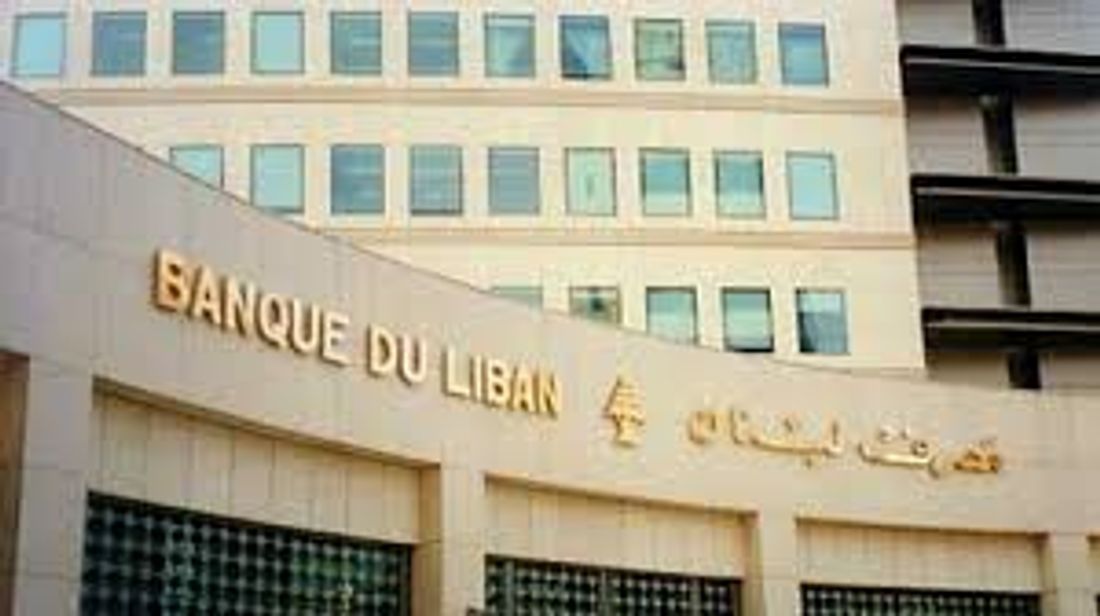
Banque du Liban held a series of closed-door consultative meetings in Paris on October 27 and 28, 2026, with the participation of a number of banks selected by the Association of Banks in Lebanon, and in the presence of the central bank’s financial advisers, specifically Rothschild & Cie. The meetings addressed key issues related to the implementation of any future financial stability and deposit recovery law.
According to a statement issued by the central bank, the discussions focused on two main areas:
First: Bank Recapitalization and Loss Resolution
The discussions addressed the requirements for recapitalizing banks in a way that would enable them to resume their future operations, as well as absorb losses resulting from imbalances and irregular claims previously identified by Banque du Liban, which will be determined in accordance with the provisions of the anticipated law.
Second: Assessment of Current and Future Available Liquidity
The meetings examined current and future liquidity levels within the banking system, including assets owned and held by both Banque du Liban and commercial banks that can be converted into cash. The aim was to determine the actual resources available to meet obligations to repay depositors.
The nature of these meetings did not call for the participation of any other parties, contrary to claims circulated by certain uninformed media outlets or reports containing inaccurate information. The issues discussed fall exclusively within the scope of interest of Banque du Liban and the banks, and constitute an integral part of the precautionary review and assessment process being conducted by the central bank to determine the amounts that can be returned to depositors and the realistic timeframes required to do so, based on reliable, rational, and feasible foundations, thereby avoiding promises that exceed actual capabilities.
Banque du Liban stressed that it considers banks full partners in the process of returning deposits to their owners, alongside the Lebanese state and the central bank itself. It also considers them the main driver of future economic recovery, as economic prosperity and sustainable growth cannot be achieved without an effective credit cycle that enables businesses and individuals to obtain the financing necessary for investment, production, and economic activity.
The Governor of Banque du Liban, who took part in some of the aforementioned meetings, also held a series of high-level consultations and meetings in Paris. These included discussions with the Governor of the Banque de France, officials at the U.S. Treasury Department responsible for combating money laundering and terrorist financing, as well as several law firms representing Banque du Liban in a number of lawsuits in France and other countries against former central bank officials and their associates. The cases concern the embezzlement of funds from Banque du Liban, fraud, and illicit enrichment.


