
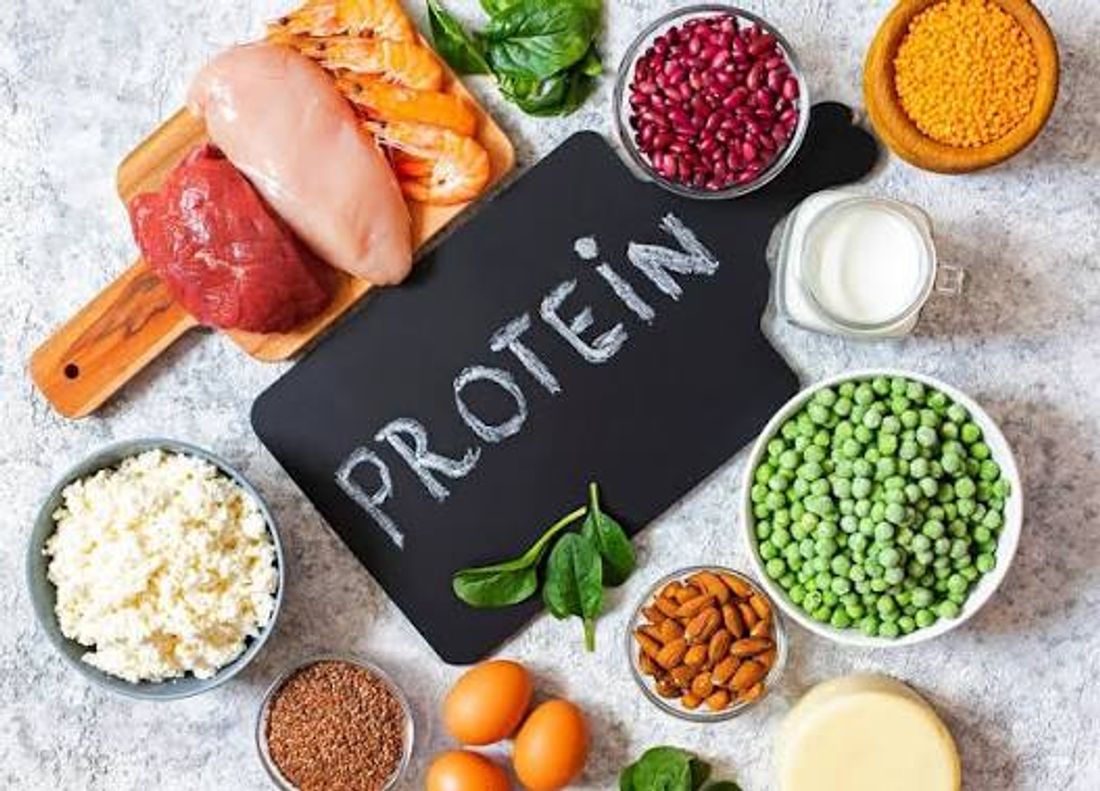
Protein is generally associated with building muscle and maintaining overall health. However, some protein sources also contain amino acids that may help regulate sleep. This raises questions about whether eating a protein-rich meal in the evening can improve sleep quality, and whether certain foods are more effective than others at promoting restful sleep.
American dietitian Sam Siegel says that complete protein sources, such as chicken and fish, contain the essential amino acid tryptophan, which the body uses to produce chemicals that help regulate sleep. However, this does not necessarily mean that eating larger amounts of these foods will lead to better sleep. Tryptophan competes with other amino acids to travel from the bloodstream into the brain, which may limit how much of it reaches the brain, according to the American magazine Real Simple.
She adds that there is no conclusive evidence that consuming a particular type of protein improves sleep quality. She also notes that the widespread belief that eating turkey makes people sleepy is largely a myth. Although chicken and turkey are rich in tryptophan, this does not necessarily make them sleep-promoting foods.
Siegel explains that eating a protein-rich meal increases the levels of other amino acids in the bloodstream, intensifying their competition with tryptophan and potentially reducing the chances of it reaching the brain.
American dietitian Jamie Lowe also points out that feeling sleepy after eating a protein-rich meal may be the result of consuming a large amount of food rather than the protein itself. This condition is known as post-meal fatigue.
𝗜𝗺𝗽𝗿𝗼𝘃𝗶𝗻𝗴 𝗦𝗹𝗲𝗲𝗽
Nevertheless, some protein sources may help improve sleep thanks to other nutrients they contain. Siegel notes that salmon provides omega-3 fatty acids and vitamin D, in addition to tryptophan, and has anti-inflammatory properties. She points out that it is among the protein sources with the strongest research support in relation to sleep.
To prepare a dinner that may help promote sleep, Siegel recommends eating a moderate serving of cooked salmon, weighing 4–5 ounces (113–142 grams)—roughly the size of the palm of your hand—alongside a source of complex carbohydrates, such as farro or sweet potatoes, and vegetables.
She explains that eating carbohydrates stimulates the release of insulin, which helps move amino acids that compete with tryptophan from the bloodstream into the muscles. This may give tryptophan a better opportunity to reach the brain and contribute to sleep regulation.
Dinner timing is just as important as its ingredients. Nutrition experts recommend finishing the meal at least two to three hours before bedtime.
This advice is particularly important for people taking weight-loss medications belonging to the GLP-1 receptor agonist class, as these drugs slow stomach emptying, causing food to remain in the stomach for longer. As a result, eating a large meal late at night may increase the likelihood of acid reflux during the night and negatively affect sleep quality.


