
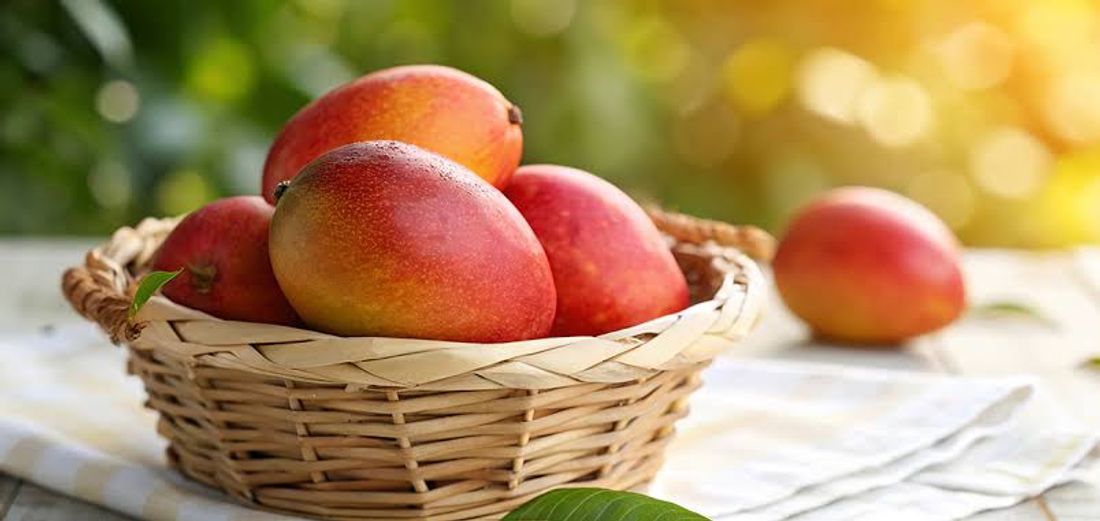
A mango's color alone is not enough to determine whether it is ripe and ready to eat. There are other ways to identify a fruit that has reached the right stage of ripeness, which can affect its taste, nutritional value and the health benefits it offers, according to an article published by Verywell Health.
𝗛𝗼𝘄 𝗖𝗮𝗻 𝗬𝗼𝘂 𝗧𝗲𝗹𝗹 𝗜𝗳 𝗮 𝗠𝗮𝗻𝗴𝗼 𝗜𝘀 𝗥𝗶𝗽𝗲?
A mango's ripeness cannot be determined by its color alone, as the fruit comes in different colors depending on the variety. For example, a red hue may indicate ripeness in some mangoes, while in other varieties it may simply mean the fruit has been exposed to sunlight.
Here are some tips to help you choose a ripe mango:
\- Check the fruit's texture:
Gently press the mango. If it feels slightly soft to the touch, it is likely at a medium stage of ripeness. An unripe mango, on the other hand, will feel very firm. Some people prefer eating unripe mangoes and using them in cooking, but most enjoy the fruit when it is riper.
\- Check its smell:
Most ripe mangoes give off a fruity aroma near the stem.
\- Avoid damaged fruit:
It is best to avoid buying mangoes with bruises or signs of leaking juice on their skin.
𝗛𝗼𝘄 𝗧𝗼 𝗥𝗶𝗽𝗲𝗻 𝗮𝗻𝗱 𝗦𝘁𝗼𝗿𝗲 𝗠𝗮𝗻𝗴𝗼𝗲𝘀
If you do not plan to eat mangoes within the next few days, it is best to buy fruit that is less ripe and place it in a paper bag when you get home, as this helps speed up the ripening process.
Unlike some other fruits, mangoes continue to ripen even after they have been picked.
Once cut, any leftover mango flesh can be stored in the refrigerator for up to five days or frozen for up to six months.
𝗛𝗼𝘄 𝗗𝗼𝗲𝘀 𝗥𝗶𝗽𝗲𝗻𝗲𝘀𝘀 𝗔𝗳𝗳𝗲𝗰𝘁 𝗠𝗮𝗻𝗴𝗼'𝘀 𝗡𝘂𝘁𝗿𝗶𝘁𝗶𝗼𝗻𝗮𝗹 𝗩𝗮𝗹𝘂𝗲?
Mango's nutritional content may change as the fruit ripens. During this process, levels of certain nutrients and plant compounds increase, including:
* Omega-3 and Omega-6 fatty acids.
* B vitamins, including vitamins B6, B3, B2 and B1.
* Natural sugars.
* Carotenoids found in the peel, such as beta-carotene.
* Polyphenol compounds.
In contrast, mango's vitamin C content generally decreases as the fruit becomes riper. However, even when fully ripe, mango remains a good source of this vitamin.
The amounts of fiber and antioxidant compounds may also change depending on the stage of ripeness, but their levels vary according to the mango variety and storage conditions.
𝗦𝗼𝘂𝗿𝗰𝗲: 𝗔𝗮𝘄𝘀𝗮𝘁


