
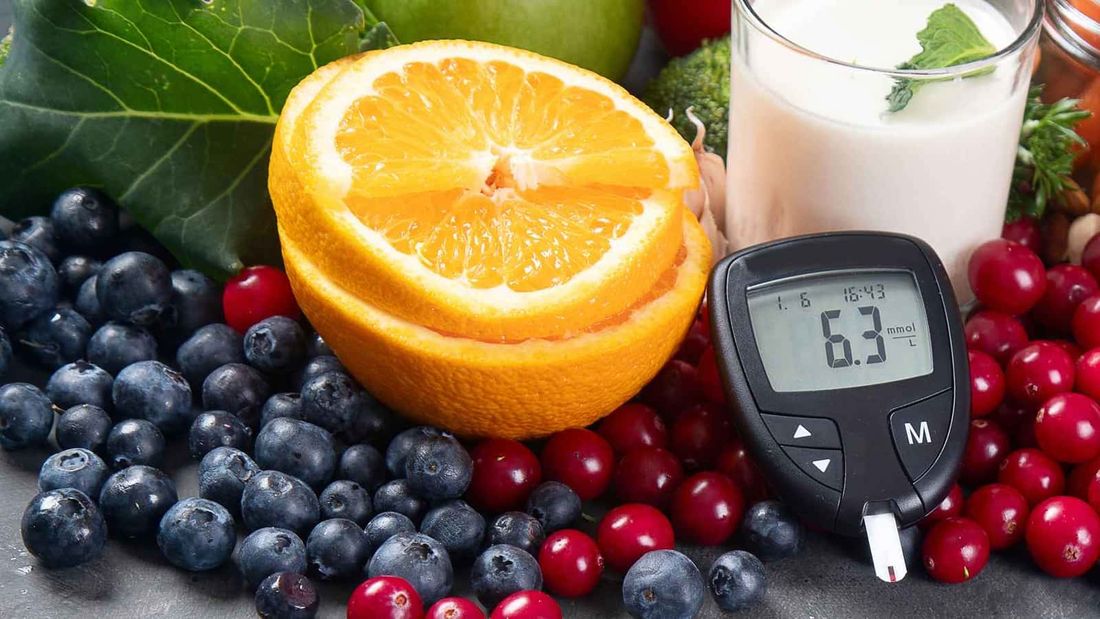
Not all fruits are equally associated with metabolic health. A large-scale study has found that eating whole blueberries is linked to a lower risk of developing type 2 diabetes, highlighting the importance of choosing the right fruit and consuming it in its whole form rather than relying on juices and fruit-based drinks.
According to Futura Sciences, the findings were based on a study published in the British Medical Journal (BMJ), which analyzed the dietary and health data of 187,382 adults in the United States over a 24-year follow-up period. The research aimed to examine the relationship between fruit consumption and the risk of developing type 2 diabetes.
The results showed that consuming three additional servings of blueberries per week was associated with a 26% lower risk of developing diabetes, the largest reduction among the fruits included in the analysis. Consuming the same additional amount of grapes and raisins was associated with a 12% lower risk, while apples and pears were linked to a reduction of approximately 7%.
By contrast, consuming three additional servings of fruit juice per week was associated with a 7% higher risk of diabetes, suggesting that whole fruits and fruit juices may have different associations with health.
Researchers believe that fiber in whole fruits plays an important role, as it helps slow down sugar absorption, while juicing fruit reduces some of its fiber content.
Despite these findings, the study was observational and does not prove that blueberries directly prevent diabetes. However, it supports the importance of eating whole fruits as part of a balanced diet.
𝗦𝗼𝘂𝗿𝗰𝗲: 𝗘𝗿𝗲𝗺 𝗡𝗲𝘄𝘀


