
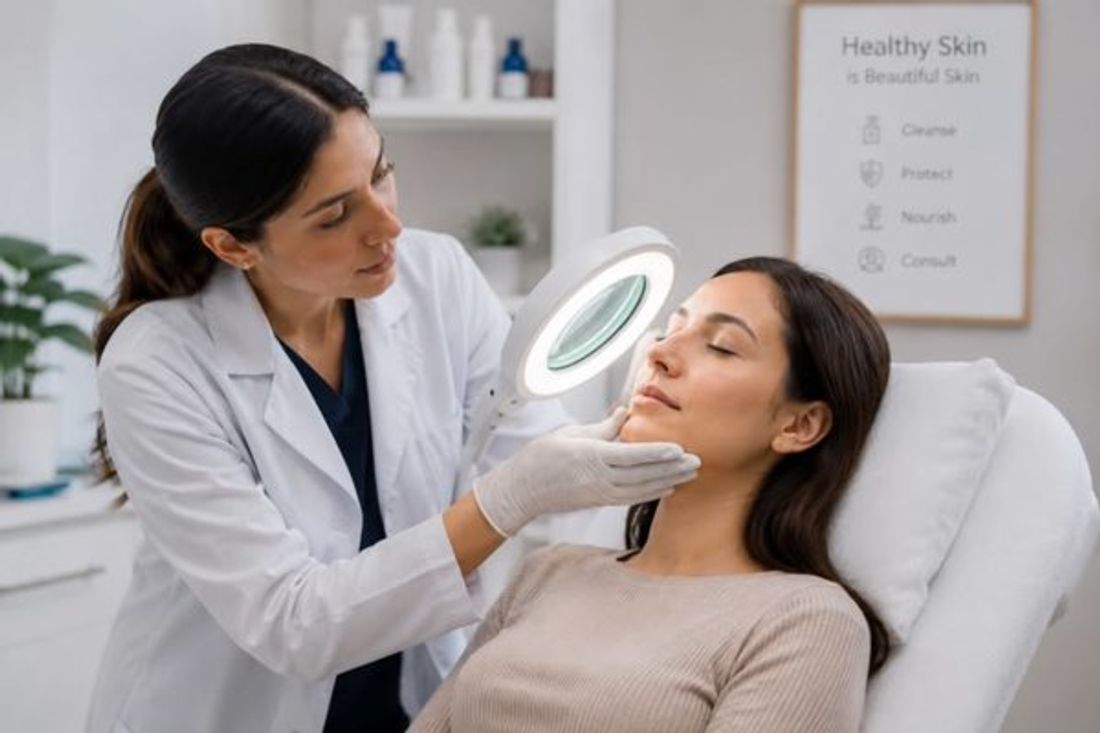
Skin-boosting injections have become one of the most popular cosmetic procedures among women seeking smoother, more radiant, and hydrated skin without undergoing surgical cosmetic treatments. Designed to restore the skin's natural glow, improve its texture, and reduce the appearance of fine lines, these injections have attracted considerable attention in the beauty industry. However, before considering this type of treatment, it is essential to understand how it works, the results it offers, and whether it is suitable for different skin types.
What Are Skin-Boosting Injections?
Skin-boosting injections are minimally invasive cosmetic procedures designed to improve skin hydration, elasticity, and overall quality from within.
Unlike traditional dermal fillers, which are primarily used to restore lost volume, define facial contours, or enhance specific features, skin boosters focus on improving the condition of the skin itself.
Most of these products contain hyaluronic acid, a naturally occurring substance in the body that attracts and retains water, helping the skin maintain its hydration and suppleness.
Depending on the product, some formulations also contain additional ingredients, such as vitamins, amino acids, and antioxidants, intended to enhance skin quality.
How Do They Work?
This treatment involves injecting small amounts of the substance into specific layers of the skin using fine needles or specialized injection techniques.
Once injected, hyaluronic acid attracts moisture, enhancing skin hydration and giving it a fresher, smoother appearance.
Some formulations are also designed to stimulate collagen production, although the extent of this effect depends on the product used and the available clinical evidence.
The treatment is commonly used on the face, neck, décolletage (upper chest), and hands, areas where signs of dryness and aging tend to be more noticeable.
Do Skin-Boosting Injections Really Work?
Yes, skin-boosting injections can deliver noticeable improvements, particularly in skin hydration, smoothness, and radiance. However, their effectiveness depends on several factors, including the formulation used, skin condition, and age.
Women with dry, dull, or rough-textured skin may notice improvements in skin texture and a fresher, more vibrant appearance following treatment.
Nevertheless, these injections are not a substitute for facelifts, traditional fillers, or treatments specifically designed to address deep wrinkles, significant sagging, or volume loss.
How Many Sessions Are Needed?
The number of sessions varies depending on the product and individual needs.
Some treatment protocols recommend an initial course of two or three sessions, typically spaced several weeks apart, followed by periodic maintenance appointments.
Results do not necessarily appear immediately, as skin hydration and quality may improve gradually over the following weeks.
A qualified dermatologist or licensed medical professional should determine the appropriate treatment schedule.
Are There Any Side Effects?
Although skin-boosting injections are generally considered minimally invasive procedures, they are not entirely risk-free.
Temporary redness, swelling, bruising, tenderness, and small bumps around the injection sites may occur following treatment.
More serious complications are also possible, including infection, inflammatory reactions, and vascular complications, although these are uncommon.
For this reason, choosing a qualified medical professional and an approved product is of paramount importance.
Who Can Benefit From Skin-Boosting Injections?
Skin-boosting injections may be suitable for women who wish to improve their skin's hydration, texture, and radiance without significantly altering their facial features.
However, they are not suitable for everyone, particularly individuals with certain skin infections or sensitivities to the product's ingredients.
Pregnant and breastfeeding women should consult their healthcare providers before undergoing this treatment, given the limited data available regarding its safety.
𝗦𝗼𝘂𝗿𝗰𝗲: 𝗘𝗹𝗹𝗲 𝗔𝗿𝗮𝗯𝗶𝗮


