
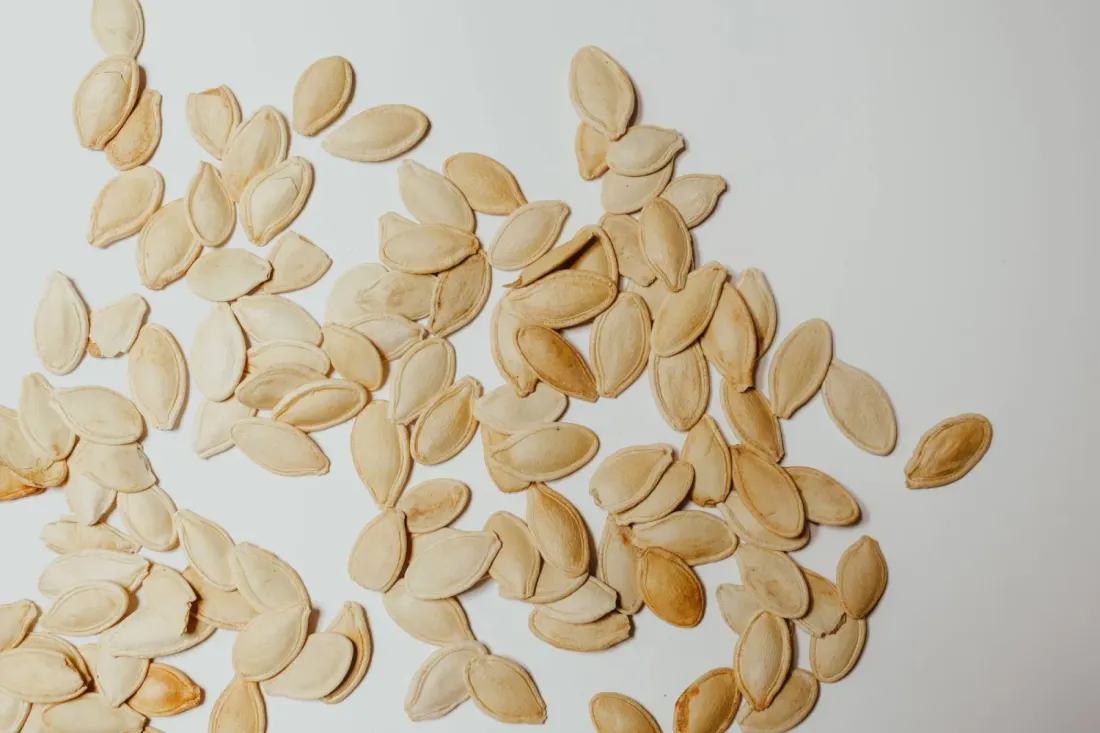
Pumpkin seeds are highly nutritious, making them a healthy choice whether eaten raw, sprouted, or cooked. Although the risks associated with consuming them are extremely limited, there are certain circumstances in which they may negatively affect your health.
Are pumpkin seeds good for your health? The short answer is yes.
According to the US Department of Agriculture, pumpkin seeds contain a variety of essential nutrients that the body needs to function efficiently, as reported by Everyday Health.
Pumpkin seeds can be eaten shelled or with their shells, either raw or roasted, as a tasty snack.
You can also try sprouted pumpkin seeds, which are considered a rich source of vitamins, minerals, fiber, and antioxidants, according to the Cleveland Clinic.
It is advisable to follow the American Heart Association’s recommendation of limiting a serving to approximately a quarter cup, or two ounces, to avoid potential digestive problems and other unwanted side effects.
𝗪𝗵𝗮𝘁 𝗔𝗿𝗲 𝘁𝗵𝗲 𝗣𝗼𝘀𝘀𝗶𝗯𝗹𝗲 𝗦𝗶𝗱𝗲 𝗘𝗳𝗳𝗲𝗰𝘁𝘀 𝗼𝗳 𝗘𝗮𝘁𝗶𝗻𝗴 𝗣𝘂𝗺𝗽𝗸𝗶𝗻 𝗦𝗲𝗲𝗱𝘀?
Although there are no specific risks associated with eating pumpkin seeds under normal circumstances, some adverse reactions may occur in people who are allergic to them or if the seeds are contaminated.
Apart from these situations, there are few drawbacks to consuming them.
The following are the most notable potential side effects:
1\. Digestive Problems
Pumpkin seeds are a rich source of dietary fiber. Although fiber is an essential part of a balanced diet, suddenly consuming large amounts of it, particularly if your body is not accustomed to it, may cause digestive problems, including:
* Gas.
* Bloating.
* Constipation.
* Diarrhea.
* Stomach cramps.
If your current diet is low in fiber, it is best to gradually introduce fiber-rich foods over several weeks, according to the Mayo Clinic.
You may occasionally notice undigested pieces of pumpkin seeds in your stool. This can also happen after eating other foods, such as corn and certain types of seeds and nuts.
The Mayo Clinic explains that this occurs because some high-fiber foods are not completely broken down or absorbed by the digestive system.
If you eat a large quantity of pumpkin seeds and experience digestive discomfort, you can try over-the-counter gas relief tablets or antacids.
If you develop diarrhea, it is advisable to drink plenty of fluids. Over-the-counter anti-diarrheal medication may also be an option. If you notice pieces of pumpkin seeds in your stool, make sure to chew them thoroughly before swallowing.
2\. Food Poisoning
Pumpkin seeds are not naturally toxic, but they can cause food poisoning if they spoil or become contaminated.
According to the Cleveland Clinic, sprouted pumpkin seeds, like other types of sprouts, may carry a risk of foodborne illness.
Although the seeds themselves are not toxic, the sprouting process takes place in warm, moist conditions that provide an ideal environment for harmful bacteria, such as Salmonella and Escherichia coli (E. coli), to multiply.
The Mayo Clinic notes that symptoms of food poisoning may appear hours or days after consuming contaminated food. They include:
* Nausea.
* Vomiting.
* Diarrhea.
* Abdominal pain.
* Fever.
𝗛𝗼𝘄 𝗖𝗮𝗻 𝗬𝗼𝘂 𝗧𝗲𝗹𝗹 𝗜𝗳 𝗣𝘂𝗺𝗽𝗸𝗶𝗻 𝗦𝗲𝗲𝗱𝘀 𝗛𝗮𝘃𝗲 𝗚𝗼𝗻𝗲 𝗕𝗮𝗱?
Unfortunately, it is not always possible to detect spoiled pumpkin seeds simply by looking at them.
Therefore, the best way to reduce the risk of food poisoning from contaminated sprouts is to cook them thoroughly. Heat helps destroy bacteria that may pose a health risk, according to the Cleveland Clinic.
Recovering from food poisoning primarily depends on giving the body enough time to recover while making sure to replace lost fluids.
For this reason, it is advisable to drink plenty of fluids, such as water or electrolyte-containing beverages, to replenish what the body loses through vomiting or diarrhea.
If you are able to eat, it is best to start with small portions of bland, gentle foods that are easy on the stomach, such as toast or bananas.
If vomiting and diarrhea continue for more than a day, you should consult a doctor to determine whether medical intervention is necessary.
3\. Allergic Reactions
Allergies to pumpkin seeds are extremely rare, although some cases have been documented in medical literature.
Anyone with a known allergy to pumpkin seeds should therefore avoid eating them.
Allergy symptoms may appear within minutes or hours of consuming the seeds, and their severity varies from person to person.
According to the Mayo Clinic, the most common signs of food allergies include:
* Tingling or itching in the mouth.
* Skin rashes, such as hives or eczema.
* Swelling of the mouth, lips, tongue, or throat.
* Nasal congestion.
* Wheezing, which is a whistling sound when breathing, or difficulty breathing.
* Digestive problems, such as abdominal pain, nausea, or vomiting.
* Dizziness.
If mild allergic symptoms develop after eating pumpkin seeds, such as an itchy mouth or certain skin reactions, taking an antihistamine may help relieve them.
However, if the allergic reaction is severe, emergency services should be contacted immediately, or the person should be taken to the nearest emergency department.
𝗦𝗼𝘂𝗿𝗰𝗲: 𝗮𝗮𝘄𝘀𝗮𝘁


