Michiganders have paid thousands more since 2025 as reckless tariffs drive up costs on everyday essentials
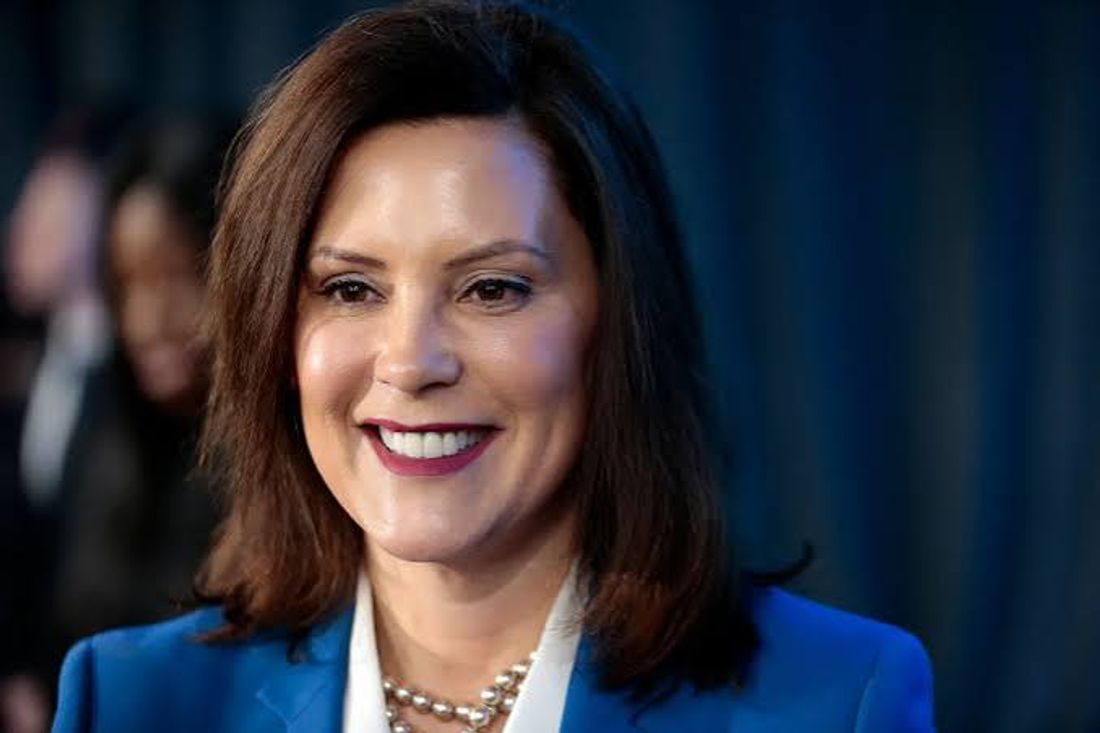
LANSING, Mich. — Today, Governor Gretchen Whitmer sent a letter to U.S. Treasury Secretary Scott Bessent urging the federal government to eliminate food tariffs imposed in 2025 and 2026 and reimburse Michigan residents for the increased costs they have incurred.
"Right now, Michigan families are paying the highest tariff burden in the nation because of DC Republicans’ agenda, and those costs are showing up every time they check out at the grocery store,” said Governor Whitmer. “In Michigan, we’ve worked hard to put money back in people’s pockets, but we need a federal trade policy that works with our allies, brings supply chains home, and makes life more affordable. Families deserve relief from rising prices on the essentials they depend on every day.”
In her letter, Governor Whitmer highlighted the disproportionate impact of federal tariff policies on Michigan families. According to the National Taxpayers Union Foundation, Michigan households have faced an average tariff burden of $6,485 per household since January 2025, the highest in the country. Food prices have continued to climb, with grocery prices increasing 2.4% in 2025. Prices for staples such as ground beef rose 15%, while coffee prices increased 20%.
The letter also points out the damage done to the relationship with Canada.
"Specifically, exports to Canada fell 12.3% last year, signaling severe strain with our strongest trading partner—these tariffs and sudden policy reversals have weakened Michigan’s competitiveness and disrupted long‑standing trade relationships,” the letter said. “Federal leaders can step up and make real change. I ask that you end the new food tariffs this administration has levied in 2025 and 2026, and reimburse Michiganders for the increased cost of food.”
While calling on the federal government to act, Whitmer emphasized the steps Michigan has already taken to lower costs and support working families, including delivering free pre-K, free school meals, and more than $1 billion in tax relief for seniors and working families.
The full letter is available here.
The pain of these increased costs from federal policies has not been offset by the economic gains the federal government has promised, and wages are stagnant. From July 2025 to July 2026, real average weekly earnings decreased, and between September 2025 to September 2026, wages grew slower than inflation. The Michigan Department of Agriculture and Rural Development found that consumer food prices increased by 3.1% from May 2025 to May 2026, which includes a 6.2% increase in meat, poultry, and fish prices, and a 6.1% increase in fruit and vegetable prices.
This letter is Whitmer’s latest effort to drive down costs for Michigan families. Twice now, the governor directed state departments to report on the impact of tariffs on Michigan industries and consumers. She shared the most recent reports from agencies in August. That same week, Michigan joined other states in challenging the Trump Administration’s decision to impose additional tariffs on more than 80 countries.
Lowering Costs for Michiganders
Governor Whitmer has remained focused on lowering costs for Michiganders. Since taking office, the Whitmer-Gilchrist administration has:
Rolled back the retirement tax to save 500,000 households an average of $1,000 a year.
Quintupled the Michigan Working Families Tax Credit to give over 650,000 working families an average tax refund of more than $3,800.
Ended state taxes on tips, overtime, and Social Security.
Signed a deal raising the minimum wage to $15/hour one year ahead of schedule for more than 700,000 workers and making Michigan’s earned sick time the best in the country, while providing more flexibility for small businesses.
Established Michigan Reconnect to offer any Michigander 25 and older tuition-free associate’s degree or skills certificate. In this year’s budget, expanded Michigan Reconnect to Michiganders 21 and older.
Established the Michigan Achievement Scholarship to save students thousands of dollars a year as they pursue a skills certificate, associate’s degree, or bachelor’s degree.
Expanded access to free pre-K to every four-year-old while prioritizing families who need it most so every kid can arrive at kindergarten ready to learn.
Delivered free breakfast and lunch for all 1.4 million public school students, saving families around $1,000 per year, per child.
Signed bipartisan legislation to put money back in people’s pockets and bring down the cost of car insurance, saving drivers at least $120 per car in 2020.
Delivered refunds of $400 per vehicle back in the pockets of Michigan drivers.
Eliminated the tampon tax.
Announced the MI Open Account Coalition offering low or no-cost financial services, saving 120,000 eligible families an average of $3,000 a year and helping them build wealth.