
Cholesterol is a waxy, fat-like substance found in the blood and cells of the body. The body needs cholesterol to perform many essential functions. However, excessively high levels can increase the risk of heart disease.
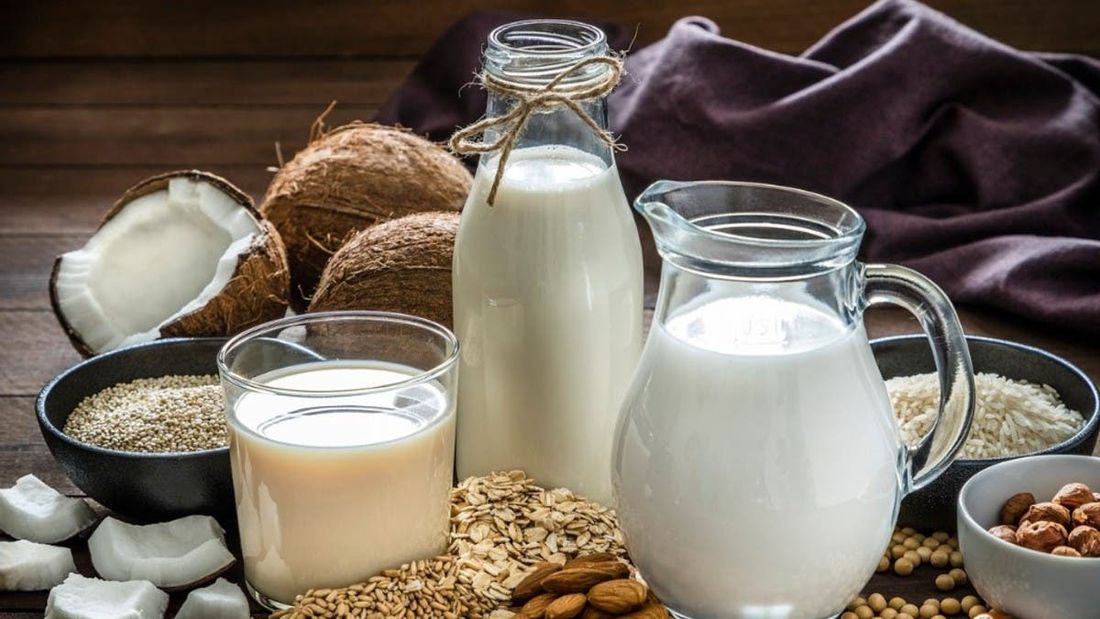
If you have high blood cholesterol, controlling the foods and drinks you consume is an essential part of maintaining a healthy lifestyle. One way to improve your dietary habits is to choose types of milk that may help lower cholesterol levels rather than raise them. Understanding the differences between available milk varieties and their benefits can help you make the right choice, according to Healthline.
𝗪𝗵𝗮𝘁 𝗔𝗿𝗲 𝘁𝗵𝗲 𝗕𝗲𝘀𝘁 𝗧𝘆𝗽𝗲𝘀 𝗼𝗳 𝗠𝗶𝗹𝗸 𝗳𝗼𝗿 𝗟𝗼𝘄𝗲𝗿𝗶𝗻𝗴 𝗖𝗵𝗼𝗹𝗲𝘀𝘁𝗲𝗿𝗼𝗹?
When looking for types of milk that may help lower cholesterol levels, several options stand out, including the following:
𝗢𝗮𝘁 𝗠𝗶𝗹𝗸
Oat milk has become a popular choice among health-conscious consumers, particularly those looking for a suitable alternative to cow's milk.
It contains beta-glucan, a type of soluble fibre known for its ability to help lower cholesterol levels in the body.
In addition to beta-glucan, oat milk is low in saturated fat and completely free of cholesterol. It is also a source of dietary fibre, with one cup providing two grams of fibre, more than some other plant-based milk alternatives, such as soy and almond milk.
𝗦𝗼𝘆 𝗠𝗶𝗹𝗸
Like oat milk, soy milk contains plant-based proteins that help lower cholesterol levels, including glycinin and beta-conglycinin. It is also rich in isoflavones, plant-based oestrogen compounds that may contribute to lowering cholesterol.
According to a 2019 meta-analysis involving 46 studies, adults who consumed 25 grams of soy daily for six weeks experienced a reduction in blood cholesterol levels ranging from 4 to 6 per cent.
Soy milk also contains other nutrients, including potassium and vitamins D and B12. It may also help increase levels of good cholesterol.
𝗔𝗹𝗺𝗼𝗻𝗱 𝗠𝗶𝗹𝗸
Almond milk is made from ground almonds and water. It is completely free of cholesterol and saturated fat.
It is also low in calories and contains vitamin E and monounsaturated fats, both of which are beneficial for heart health.
When choosing almond milk, it is best to opt for unsweetened varieties without added sugars, making them a better choice as part of a heart-healthy diet.
𝗙𝗹𝗮𝘅𝘀𝗲𝗲𝗱 𝗠𝗶𝗹𝗸
Flaxseeds and the milk made from them are suitable options for a heart-healthy diet because they contain alpha-linolenic acid (ALA), an omega-3 fatty acid that research suggests may play a role in promoting heart health.
Studies show that increased consumption of alpha-linolenic acid is associated with a 10 per cent lower risk of cardiovascular disease, alongside a 20 per cent reduction in the risk of death from coronary heart disease.
𝗦𝗸𝗶𝗺 𝗠𝗶𝗹𝗸
If you prefer dairy milk, skim milk is considered the most suitable option for helping lower cholesterol levels, as it contains significantly less saturated fat than whole or reduced-fat milk.
It also provides vitamin D and calcium, both found in dairy products, without the excess fat that may contribute to increased cholesterol levels.
If you have high cholesterol or are at greater risk of developing cardiovascular disease, skim milk is a good option.
𝗪𝗵𝗶𝗰𝗵 𝗧𝘆𝗽𝗲𝘀 𝗼𝗳 𝗠𝗶𝗹𝗸 𝗦𝗵𝗼𝘂𝗹𝗱 𝗬𝗼𝘂 𝗔𝘃𝗼𝗶𝗱 𝘁𝗼 𝗟𝗼𝘄𝗲𝗿 𝗖𝗵𝗼𝗹𝗲𝘀𝘁𝗲𝗿𝗼𝗹?
If your goal is to lower your blood cholesterol levels, the following types of milk may not be the most suitable choices:
𝗪𝗵𝗼𝗹𝗲 𝗠𝗶𝗹𝗸 𝗮𝗻𝗱 𝗚𝗼𝗮𝘁'𝘀 𝗠𝗶𝗹𝗸
These types of animal milk contain higher levels of saturated fat and cholesterol, which may lead to increased blood cholesterol levels.
If you choose to consume high-fat dairy products, it is best to do so occasionally rather than making them a regular part of your daily diet.
𝗙𝗹𝗮𝘃𝗼𝘂𝗿𝗲𝗱 𝗠𝗶𝗹𝗸 𝗮𝗻𝗱 𝗦𝘄𝗲𝗲𝘁𝗲𝗻𝗲𝗱 𝗣𝗹𝗮𝗻𝘁-𝗕𝗮𝘀𝗲𝗱 𝗠𝗶𝗹𝗸
These varieties often contain large amounts of sugar and may also be high in fat.
Added sugars may contribute to an increase in body mass index (BMI), which is considered one of the risk factors for cardiovascular disease.
𝗦𝗼𝘂𝗿𝗰𝗲: 𝗮𝗮𝘄𝘀𝗮𝘁


