
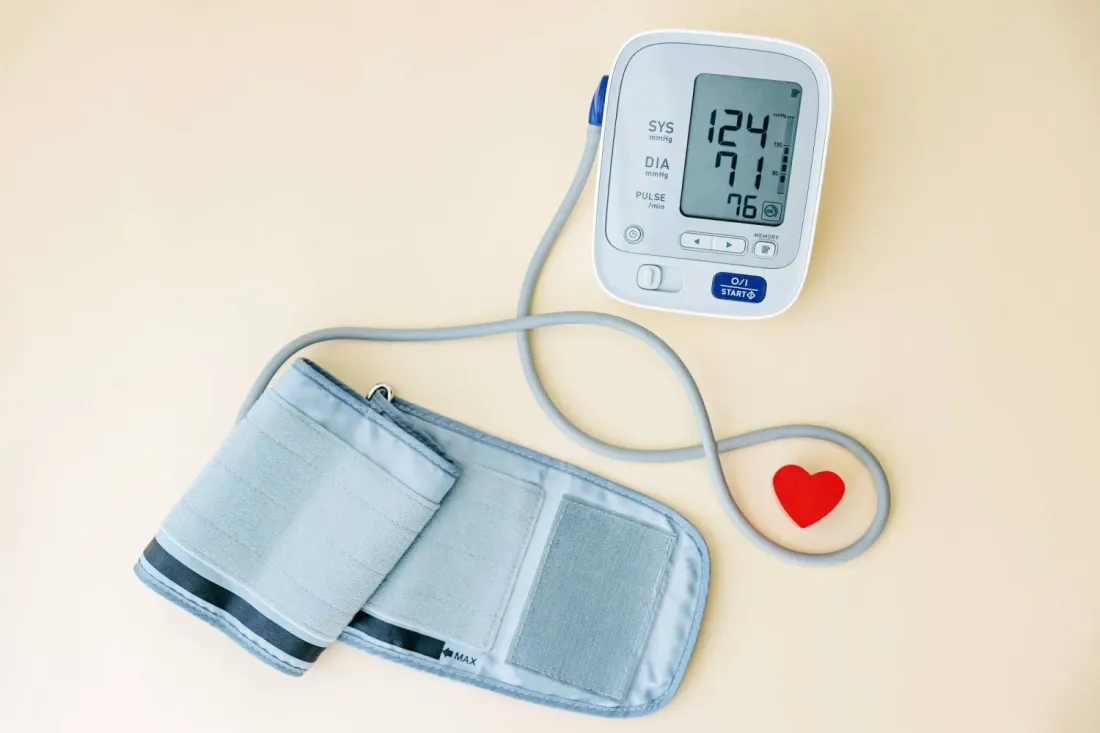
High blood pressure is one of the most widespread chronic diseases and a major risk factor for stroke, which is among the leading causes of death and disability worldwide. Despite advances in diagnostic and treatment methods, preventing complications associated with this condition remains a public health challenge that goes beyond providing medication and medical services to include patients' awareness, daily behavior, and adherence to preventive measures.
A patient with high blood pressure may understand the importance of following treatment, monitoring blood pressure regularly, engaging in physical activity, and maintaining a healthy weight, yet struggle to turn this knowledge into consistent daily habits. This raises an important question: What prevents patients from translating their knowledge of stroke prevention into actual commitment to preventive practices?
A recent scientific study has drawn attention to this issue from a different perspective. Rather than simply measuring hypertension patients' knowledge of stroke, it also examined their beliefs and practices related to stroke prevention. The study is particularly relevant to the Arab region, as it was conducted in Egypt, the most populous Arab country, and included 700 patients across 12 governorates, making it an important field-based model for understanding the gap between knowledge and preventive behavior.
To explore the study's key findings and their health implications, Your Health spoke with Dr. Abdullah Abbas, a researcher in neurology at Al-Azhar University's Faculty of Medicine in Damietta and one of the researchers involved in the study, published in 2026 in the scientific journal Scientific Reports, part of the Nature Portfolio group. The discussion focused on what the findings reveal about patients' behavior and the factors hindering effective stroke prevention.
𝗦𝗰𝗶𝗲𝗻𝘁𝗶𝗳𝗶𝗰 𝗦𝘁𝘂𝗱𝘆
Why focus specifically on patients with high blood pressure? Dr. Abdullah Abbas explains that the motivation behind the study was the need to understand how much hypertension patients know about stroke, their attitudes toward prevention, and the extent to which this knowledge is reflected in their daily practices.
"Most previous studies examined the general public's awareness of stroke or patients' knowledge of the condition after experiencing it. However, there was no clear picture of what hypertension patients themselves knew, despite being among the groups at greatest risk," he says.
For this reason, the research team ensured that the assessment went beyond the information patients possessed to include their beliefs and preventive behaviors, with the aim of identifying shortcomings that might prevent health awareness from being translated into actual practices.
The study revealed a striking contradiction between what hypertension patients know about stroke and what they actually do to prevent it. The findings showed that 67.9% of participants had an adequate level of knowledge, while 83% demonstrated positive attitudes toward prevention. However, only 33.7% achieved an adequate level of preventive practices.
These findings indicate that possessing health information and being convinced of the importance of prevention do not necessarily guarantee adherence to the required behaviors. For example, only 33.7% reported that they always monitored their blood pressure, while just 13.1% said they exercised regularly.
By contrast, the study showed that most participants were familiar with some of the warning signs of stroke, such as weakness on one side of the body or sudden speech difficulties, although their knowledge of other symptoms and complications varied.
Commenting on this contradiction, Dr. Abdullah Abbas explains that responding to a medical emergency may require a single decision, whereas prevention demands repeated commitment over many years. Therefore, the real challenge lies not simply in providing patients with health information, but in helping them turn it into consistent daily habits.
𝗗𝗶𝗳𝗳𝗲𝗿𝗲𝗻𝗰𝗲𝘀 𝗶𝗻 𝗞𝗻𝗼𝘄𝗹𝗲𝗱𝗴𝗲 𝗮𝗻𝗱 𝗣𝗿𝗮𝗰𝘁𝗶𝗰𝗲𝘀
• Geographic Differences: Knowledge levels and preventive practices were not equal among the study participants. Notable differences emerged according to geographic location and educational level. The findings showed that participants from Lower Egypt and urban areas were more likely to have an adequate level of knowledge about stroke than those from Upper Egypt.
However, these differences in knowledge did not necessarily translate into preventive behavior. No statistically significant difference in the level of preventive practices was found between Lower and Upper Egypt, while participants from urban governorates were more likely to demonstrate an adequate level of preventive practice.
Dr. Abdullah Abbas notes that this finding reveals an important aspect of the problem: higher levels of knowledge alone are not sufficient to ensure adherence to healthy behaviors, and the need to support preventive practices is not limited to any particular region.
Higher educational attainment and having previously heard about stroke were also associated with better knowledge. Meanwhile, consistent blood pressure control was associated with more positive attitudes and better preventive practices.
Nevertheless, the researcher stresses the need for caution when interpreting these relationships. The study was cross-sectional and identified associations between different factors, but it did not establish that one factor caused another.
• Why Doesn't Knowledge Translate into Behavior? The study findings indicate that the relationship between knowledge and preventive practices was relatively weak, while a stronger association emerged between positive attitudes toward prevention and actual practices. This means that knowing the risk factors for stroke and the available preventive measures is not, on its own, enough to ensure patients follow them.
Dr. Abdullah Abbas explains that personal conviction about the importance of prevention is a key factor in changing behavior. There is a difference between knowing that physical activity is beneficial to one's health, recognizing that one is personally at risk of stroke, and understanding that this risk can be reduced by adopting regular healthy habits.
This relationship can be understood through the Health Belief Model, which explains preventive behavior through several factors, most notably an individual's perceived susceptibility to a disease and its severity, belief in the benefits of prevention, and the barriers that may prevent its implementation.
However, these barriers are not limited to personal beliefs. Patients may face practical difficulties, such as not having a blood pressure monitor at home, lacking a suitable place to walk, or struggling to obtain regular medical follow-up.
Therefore, improving health knowledge must be accompanied by practical support that helps patients turn what they know into consistent daily behavior.
𝗦𝘁𝘂𝗱𝘆 𝗥𝗲𝗰𝗼𝗺𝗺𝗲𝗻𝗱𝗮𝘁𝗶𝗼𝗻𝘀
In light of these findings, the researchers call for the development of stroke prevention programs that go beyond disseminating health information and help patients translate that information into sustainable daily practices.
Dr. Abdullah Abbas explains that routine follow-up visits for hypertension patients provide an important opportunity to offer preventive counseling, discuss the obstacles each patient faces, and establish realistic goals suited to their health conditions and living circumstances, rather than simply providing general advice.
It is important here to distinguish between a lack of knowledge and difficulty applying it. A patient who does not understand the dangers of high blood pressure needs health education, while a patient who understands the risks but does not follow preventive practices needs help identifying and overcoming the barriers that prevent implementation. The study emphasizes the importance of exploring these obstacles more deeply in future research.
The researcher also highlights the importance of training healthcare workers in counseling techniques that encourage patients to participate in decisions concerning their health and strengthen their ability to adhere to treatment, monitor their blood pressure, and engage in physical activity.
Such counseling may include agreeing on specific goals with patients, reviewing their recorded blood pressure readings, and discussing their progress during subsequent visits.
The study also points to the need to consider social and geographic differences when designing awareness and prevention programs, while strengthening the role of primary healthcare services and community health workers, particularly in areas where access to healthcare services is challenging.
It is also important that the success of awareness programs not be measured solely by the amount of information patients acquire. Their evaluation should also examine the extent to which this information translates into actual preventive practices. The most important indicator is not what patients remember, but what they can apply and maintain over time.
The researcher concludes that effective prevention requires a partnership between patients, medical teams, and the healthcare system. Knowledge lays the foundation, but support, follow-up, and the removal of obstacles are what help turn it into lasting behavior.
Finally, the importance of this study extends beyond revealing differences between knowledge and preventive practices among hypertension patients in Egypt. It also raises a question that concerns millions of patients across Arab societies: Is it enough to know what protects our health, or should we turn that knowledge into daily habits?
High blood pressure can persist for years without obvious symptoms, while its effects gradually accumulate on blood vessels, the heart, and the brain. Therefore, feeling healthy does not necessarily mean that blood pressure is under control. Similarly, taking medication alone does not replace regular monitoring and adherence to a healthy lifestyle.
Prevention begins with simple yet effective steps: measuring blood pressure according to medical advice, recording readings, taking prescribed medication regularly without stopping it or changing dosages independently, reducing salt intake, engaging in physical activity appropriate to one's health condition, maintaining a healthy weight, and avoiding smoking.
People should also learn to recognize the warning signs of stroke, such as sudden weakness on one side of the body or speech difficulties, and seek emergency medical assistance immediately if these symptoms occur, even if they disappear after a few minutes.
The most important message remains that prevention is not a one-time decision, but a practice that must be renewed every day. Perhaps the question every patient should ask themselves today is: "When was the last time I checked my blood pressure, not because I felt something was wrong, but simply because it is a habit?"
𝗦𝗼𝘂𝗿𝗰𝗲: 𝗮𝗮𝘄𝘀𝗮𝘁


