
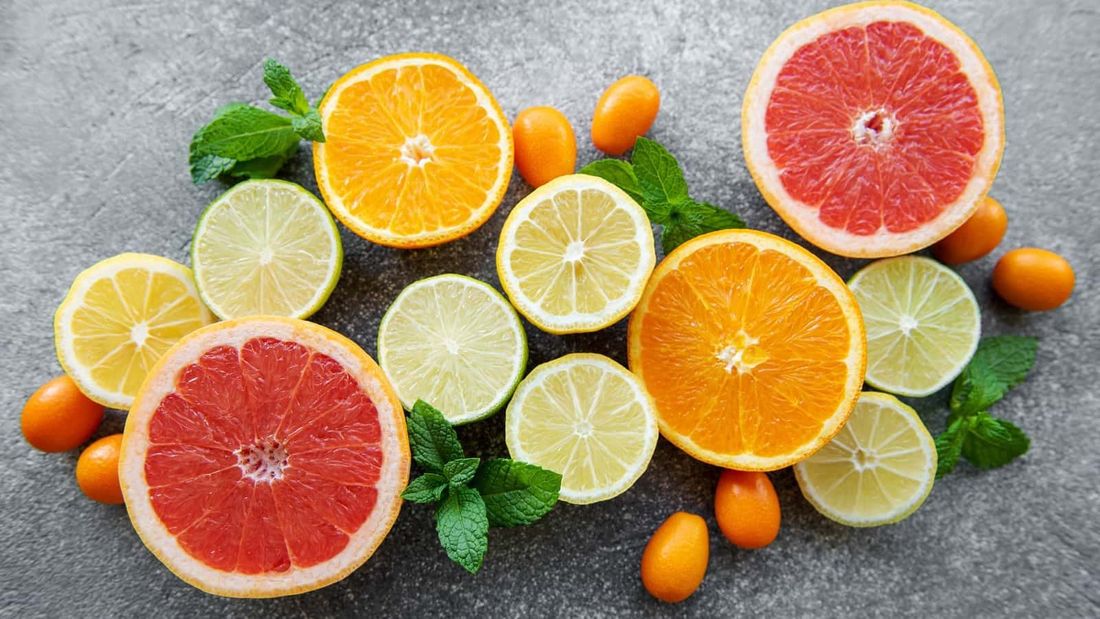
The benefits of oranges, lemons, and mandarins go beyond boosting immunity or supplying the body with vitamin C. These fruits contain a range of plant compounds and fiber that may help support cardiovascular health and improve digestive system function, according to recent scientific research.
Hesperidin: A Compound That Supports Heart Health
One of the key components attracting researchers’ attention is hesperidin, a type of flavonoid found abundantly in citrus fruits, particularly oranges.
A scientific review published in the journal Biochemistry and Molecular Biology indicates that this compound has antioxidant and anti-inflammatory properties, while research is also examining its potential effects on blood pressure, cholesterol, and blood vessel function.
An analysis of 10 clinical trials involving 532 adults, published in the British Journal of Nutrition, also found an association between hesperidin intake and reductions in certain inflammatory markers in the blood, including C-reactive protein and tumor necrosis factor. However, results varied among participants.
Don't Discard the White Layer of Oranges
The white layer surrounding the orange pulp is not simply unwanted residue. It contains pectin and flavonoid compounds, which may offer benefits for digestive health.
Research published in the Journal of Agricultural and Food Chemistry suggests that citrus pectin can influence the activity of beneficial gut bacteria and their metabolic products.
Human studies have also examined the effects of pectin on appetite and blood sugar and fat levels, although the findings depend on its type, source, and the doses used.
Vitamin C: Benefits Beyond Immunity
In addition to its role in supporting immunity, the body needs vitamin C to produce collagen, which is essential for healthy skin and tissues and wound healing. It also helps the body absorb iron from plant-based sources such as lentils and beans.
Why Is It Better to Eat the Whole Fruit?
Eating oranges and mandarins as whole fruits remains a better option than relying solely on their juice, as whole fruits provide the fiber found in the pulp and inner sections, some of which may be lost during juice preparation.


