
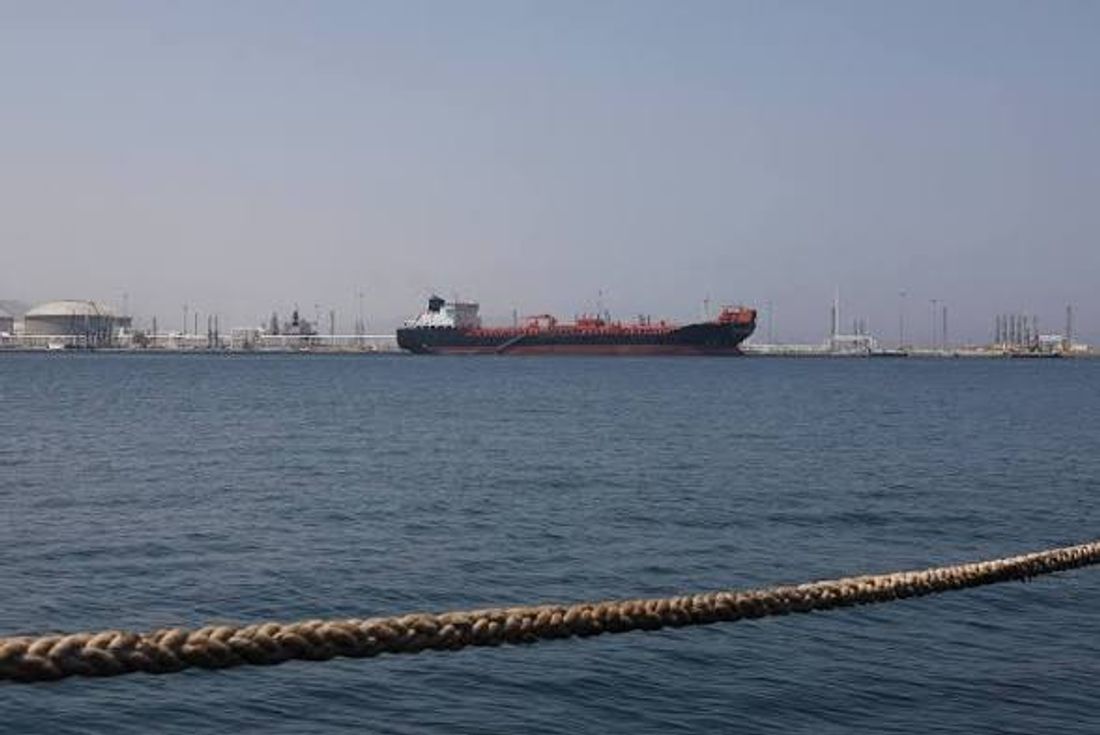
The International Energy Agency (IEA) said today, Thursday, that the conflict in the Middle East has caused the largest disruption ever to global oil and gas trade, and could reduce global oil demand by more than four percent by 2035 if governments accelerate measures to expand electrification, improve energy efficiency, and switch to alternative fuels in response to the crisis.
Energy markets have witnessed turmoil this year due to the conflict, which restricted shipping movement through the Strait of Hormuz—a waterway through which roughly 20 percent of global oil and liquefied natural gas (LNG) supplies normally pass and which serves as a primary artery for Gulf exports.
Fatih Birol, Executive Director of the IEA, said in an interview conducted alongside the release of the agency's World Energy Outlook 2026 report: "In my view, the energy world will not return to what it was before the Iran war."
The Paris-based agency added that the conflict has caused a cumulative loss of 2.8 billion barrels of oil and 60 billion cubic meters of gas supplies originating from the Gulf.
The annual report includes a set of scenarios based on existing and proposed energy policies, and this year also examines how governments and markets respond to prolonged disruptions in the Strait of Hormuz.
Under a new scenario the agency dubbed the "Additional Response Case," it stated that concerns related to energy security could drive an acceleration in the transition to electricity, improve energy consumption efficiency, and reduce reliance on fossil fuel imports.


