
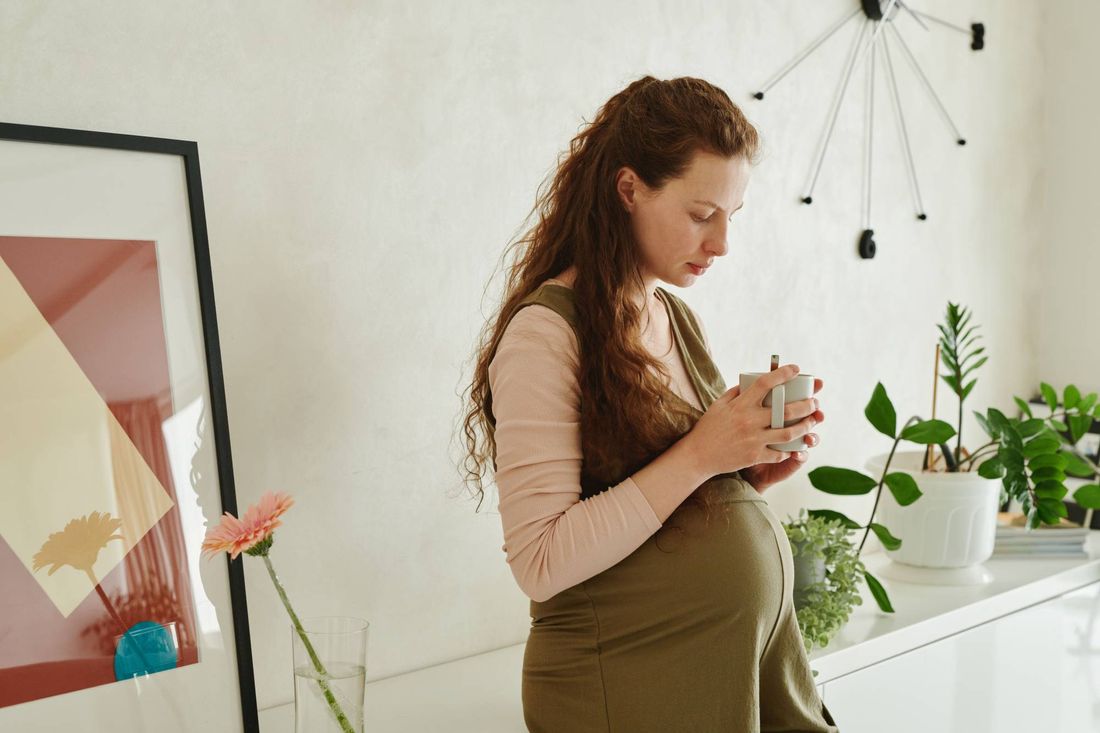
Pregnancy brings about extensive changes in a woman’s body, enabling it to support fetal development and prepare for childbirth. But does the time between pregnancies affect maternal aging? Research suggests there may be a link, although the available evidence remains insufficient to establish the long-term effects of pregnancy spacing.
According to a study published in the journal iScience, which followed 130 women during pregnancy and after childbirth, this period may be associated with an increase in certain markers of biological aging, followed by partial recovery. This recovery may be affected by the occurrence of another pregnancy.
What Is Biological Aging?
Biological age differs from chronological age, which is calculated in years. Researchers use molecular markers to estimate certain aspects of the body’s condition and aging process. These markers include chemical changes to DNA and telomere length, which refers to structures that protect the ends of chromosomes.
Changes in these measurements do not necessarily mean that a woman has gained additional permanent years of aging or that she will appear older. Some markers may change during pregnancy and then decrease after it ends.
A Recovery Period After Childbirth
The researchers collected saliva samples from participants during the middle and later stages of pregnancy, then six to nine months after childbirth, and again between 36 and 43 months later.
The findings showed a slowdown or stabilization in some aging markers after childbirth. By contrast, experiencing another pregnancy during the follow-up period was associated with a disruption in the recovery process, particularly in one measure of the rate of aging. However, the findings were not consistent or statistically significant across all the markers used.
Can Pregnancy Spacing Protect Mothers from Aging?
A research review conducted by two researchers from Brigham and Women’s Hospital and Harvard Medical School proposes that spacing pregnancies may give a mother’s body time to recover from the physical and biological changes associated with pregnancy and childbirth. However, this hypothesis requires further research and does not establish that delaying pregnancy slows maternal aging.
The study was unable to determine whether becoming pregnant again shortly after childbirth places a greater biological burden on the mother compared with waiting longer. It also could not identify an optimal interval between pregnancies that would minimize the effects of pregnancy on biological aging markers. Therefore, these findings alone are not sufficient to guide reproductive decisions or predict a mother’s future health.
𝗦𝗼𝘂𝗿𝗰𝗲: 𝗮𝗮𝘄𝘀𝗮𝘁


