
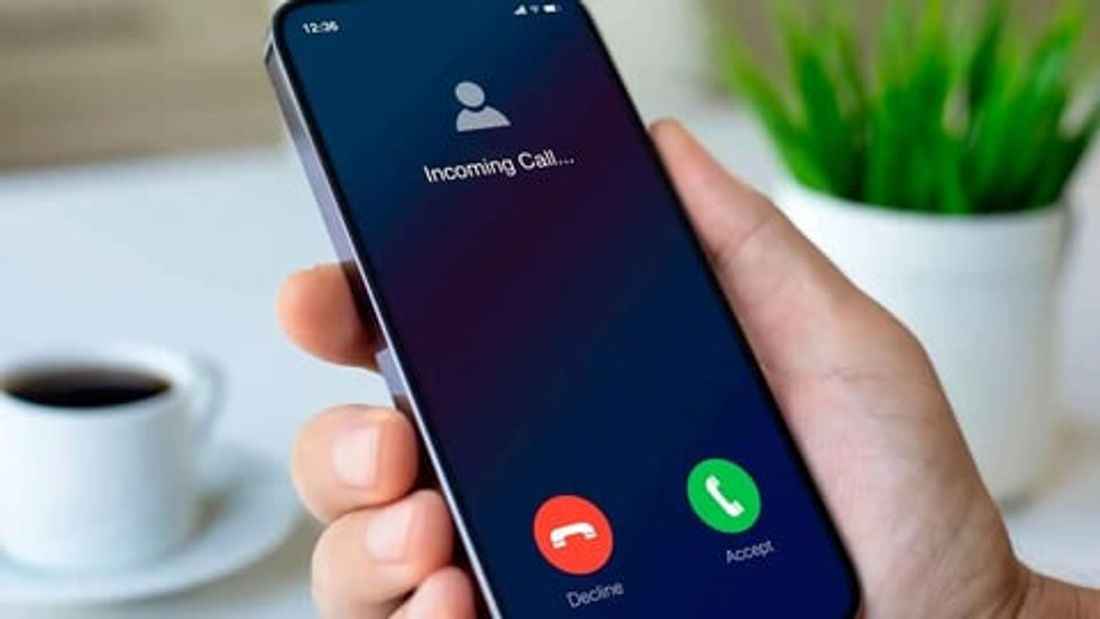
A method used in phone scams has become increasingly widespread, particularly when callers impersonate banks, government agencies, or essential service providers. This practice is known as “Caller ID Spoofing.”
Scammers can use technology to manipulate the number displayed on a phone screen in an attempt to gain the victim’s trust and exploit it. This makes the call appear familiar, encouraging people to answer and potentially share personal information or a verification code received via text message.
𝗛𝗼𝘄 𝗖𝗮𝗹𝗹𝗲𝗿 𝗜𝗗 𝗦𝗽𝗼𝗼𝗳𝗶𝗻𝗴 𝗪𝗼𝗿𝗸𝘀
This technique involves manipulating the information sent to the telecommunications network to determine which number appears on the recipient’s phone. In some cases, scammers use internet-based calling services that allow them to enter a number different from the actual number from which the call originates.
The screen may display the number of a well-known organization or a familiar local number, even though the call is coming from another source. Importantly, seeing a legitimate number does not necessarily mean that the organization’s phone system has been hacked, as spoofing can be carried out from outside its systems.
Scammers exploit this trick to convince people that a call is official. They then request banking details, passwords, or verification codes, or attempt to pressure victims into transferring money under the pretext of resolving an urgent account problem.
𝗛𝗼𝘄 𝘁𝗼 𝗜𝗱𝗲𝗻𝘁𝗶𝗳𝘆 𝗮 𝗙𝗮𝗸𝗲 𝗖𝗮𝗹𝗹
Many people rely on the number displayed on their screens as a quick way to verify a caller’s identity, particularly when it matches a number previously saved in their contacts or one published on an organization’s official website. However, this method alone is insufficient because caller ID information can be manipulated.
Scammers also use psychological pressure tactics, such as claiming that a suspicious financial transaction has occurred or threatening to suspend an account, to push victims into acting quickly before verifying the information.
The call may also be accompanied by text messages that appear to come from the same organization, making the scammer’s story seem more credible. Therefore, a matching phone number or the display of a familiar organization’s name should never be considered a guarantee that the call is legitimate.
𝗦𝘁𝗲𝗽𝘀 𝘁𝗼 𝗣𝗿𝗼𝘁𝗲𝗰𝘁 𝗬𝗼𝘂𝗿𝘀𝗲𝗹𝗳
Protection begins with treating any call requesting sensitive information with caution, even when a trusted number appears on the screen. The risk of fraud can be reduced by following several precautions, including ending the call and independently verifying the caller’s identity.
If a caller requests financial details or confidential information, hang up and contact the organization using a number obtained independently from its official website or authorized app. It is also important never to share verification codes, passwords, or one-time passcodes with callers, and never to approve authentication requests that you did not initiate yourself.
It is equally important to be wary of urgency. Immediate demands to transfer money or verify an account under threat should prompt you to stop and check the facts. You should also never rely on the displayed number alone, even if the name of a familiar organization appears on the screen. Treat the caller’s identity as unverified until you confirm it through an independent channel.
Finally, report suspicious calls, keep a record of the call details, and notify your telecommunications provider, the organization whose identity was impersonated, and the relevant cybercrime authority in your country.
𝗘𝗳𝗳𝗼𝗿𝘁𝘀 𝘁𝗼 𝗦𝘁𝗼𝗽 𝗖𝗮𝗹𝗹𝗲𝗿 𝗜𝗗 𝗦𝗽𝗼𝗼𝗳𝗶𝗻𝗴
Telecommunications companies and regulatory authorities are working to develop mechanisms for verifying caller identities and limiting number manipulation. These efforts include call authentication protocols such as “STIR/SHAKEN,” which help verify caller ID information on networks that support them.
However, these systems do not provide absolute protection across all countries and networks, and their effectiveness may vary depending on the infrastructure in use and the source of the call. Furthermore, verifying a phone number alone does not prove that the person speaking to you is authorized to request your information.
𝗦𝗼𝘂𝗿𝗰𝗲: 𝗘𝗿𝗲𝗺 𝗡𝗲𝘄𝘀


