
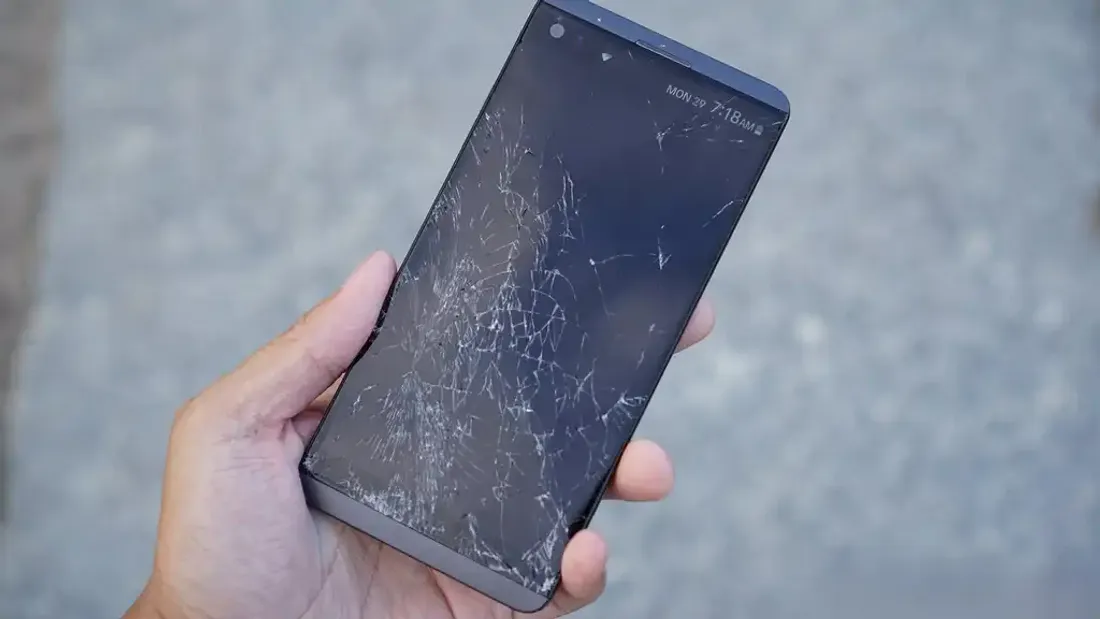
Imagine dropping your phone on the floor and noticing fine scratches or small cracks on its screen. Instead of searching for a repair shop or replacing the screen, the material itself begins to gradually repair the damage.
This scenario, which sounds closer to science fiction, has become a focus of materials science research aimed at developing surfaces and coatings capable of restoring some of their properties after being scratched or damaged.
As the cost of repairing phones and electronic devices continues to rise, researchers are increasingly exploring materials known as self-healing materials in an effort to extend product lifespans and reduce the need to replace components after minor damage. However, developing a glass screen that can automatically repair deep cracks remains a scientific and engineering challenge.
𝗛𝗼𝘄 𝗗𝗼 𝗧𝗵𝗲𝘆 𝗪𝗼𝗿𝗸?
Self-healing materials rely on chemical or physical mechanisms that allow them to repair certain types of damage without direct intervention from the user.
Some types contain compounds that react when a crack forms, while others rely on chemical bonds that can reform, helping restore the material’s cohesion after damage.
There are also flexible polymer materials capable of recovering some of their original shape or properties after being scratched, particularly when suitable conditions, such as heat or light, are available.
Results vary depending on the material’s composition and the nature of the damage. Sealing a superficial scratch in a polymer coating is very different from repairing a fracture in screen glass, which may extend into the display layers or internal electronic components.
𝗔𝘂𝘁𝗼𝗺𝗮𝘁𝗶𝗰 𝗖𝗿𝗮𝗰𝗸 𝗥𝗲𝗽𝗮𝗶𝗿
One of the biggest obstacles is that modern smartphone screens are not made of a single piece of glass. Instead, they consist of a multilayer system that includes protective glass, touch-sensitive layers, display components, and potentially adhesive layers and other materials.
A self-healing coating may therefore help reduce the appearance of superficial scratches or restore certain surface properties, but this does not necessarily mean it can repair a deep crack or restore the functionality of a damaged screen.
Research into polymers and advanced materials points to promising possibilities for developing surfaces that are more resistant to scratches and capable of repairing certain types of minor damage.
However, incorporating these materials into commercial screens requires balancing optical transparency, hardness, durability, and healing speed, while also preserving touch responsiveness and image quality.
Some healing mechanisms also require special conditions, such as heating or exposure to light, raising questions about their suitability for everyday smartphone use.
𝗞𝗲𝘆 𝗖𝗵𝗮𝗹𝗹𝗲𝗻𝗴𝗲𝘀
The challenge is not simply to invent a material that can repair itself; it also involves ensuring that the material continues to perform effectively after repeated scratches and damage.
A material that successfully repairs a single scratch may not be able to address the same damage with equal efficiency over repeated cycles.
Researchers must also ensure that the material can withstand impacts, moisture, and temperature fluctuations without the healing process causing visual distortions or reducing screen clarity.
From a commercial perspective, these technologies must be manufactured in large quantities at a reasonable cost while meeting durability and safety standards.
For this reason, introducing them into protective coatings or flexible surfaces may be easier initially than using them to repair the tempered glass that protects smartphone screens.
𝗟𝗼𝗻𝗴𝗲𝗿-𝗟𝗮𝘀𝘁𝗶𝗻𝗴 𝗗𝗲𝘃𝗶𝗰𝗲𝘀
In the future, self-healing materials could help reduce some of the everyday damage affecting electronic devices, extend the lifespan of coatings and protective surfaces, and limit the need to replace components that have sustained minor scratches.
These technologies could also support efforts to reduce electronic waste if they prove capable of genuinely extending product lifespans rather than encouraging repeated reliance on replacement parts.
For now, the idea of a screen that automatically repairs its own fractures remains more of a research goal than a widely available feature in commercial smartphones.
Nevertheless, ongoing advances in materials science are opening the door to devices that are more resistant to damage and may eventually be able to repair some forms of it without human intervention.
𝗦𝗼𝘂𝗿𝗰𝗲: 𝗘𝗿𝗲𝗺 𝗡𝗲𝘄𝘀


