
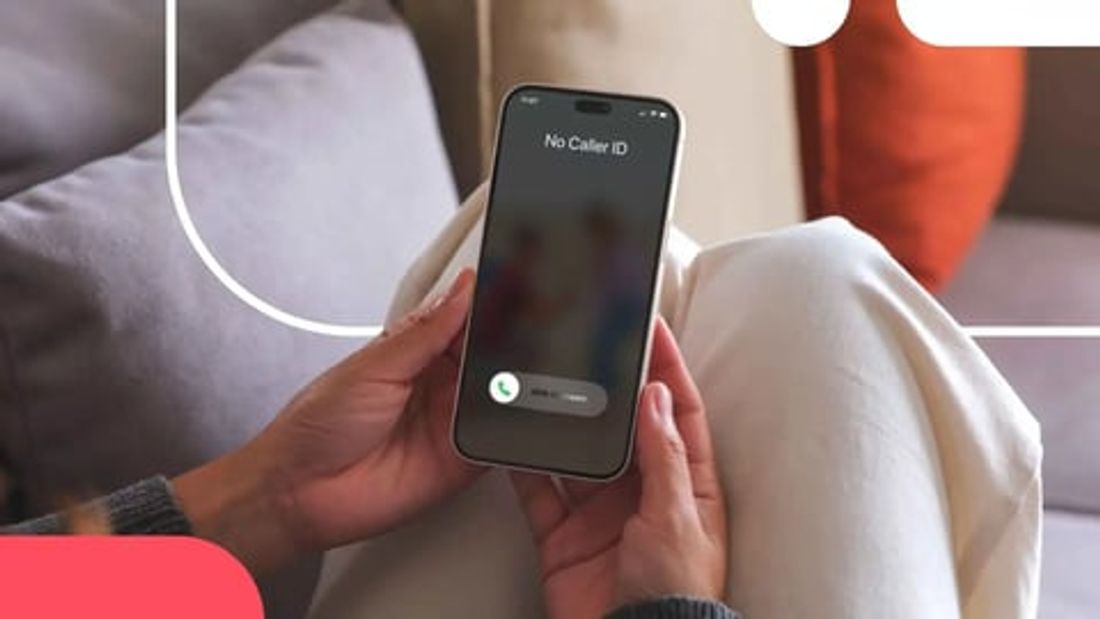
Your phone may suddenly ring, displaying an incoming call from an unknown number. You quickly answer, only to find that the other person does not speak. All you hear is silence before the call ends a few seconds later.
Although this may seem like a passing annoyance or a telecommunications network error, repeated silent calls can be linked to methods used by telemarketing companies and automated call centers. In some cases, they may also be part of fraud attempts aimed at collecting information about phone number owners.
Silent calls have become a growing source of concern among users, particularly with the spread of automated dialing systems capable of making thousands of calls within short periods without requiring direct human involvement in every call.
𝗔𝘂𝘁𝗼𝗺𝗮𝘁𝗲𝗱 𝗖𝗮𝗹𝗹𝗶𝗻𝗴 𝗦𝘆𝘀𝘁𝗲𝗺𝘀
One of the main reasons behind this phenomenon is the use of automated dialing systems by customer service centers and telemarketing companies.
These systems call large numbers of people simultaneously, then transfer each call to an available agent as soon as someone answers.
However, problems arise when several users answer at the same time while there are not enough employees available to handle all the calls.
As a result, some recipients may hear complete silence before the call is automatically disconnected.
This situation is known as an abandoned call. It can occur when there is an imbalance between the number of calls generated by the system and the call center's actual capacity to handle them.
𝗖𝗵𝗲𝗰𝗸𝗶𝗻𝗴 𝗪𝗵𝗲𝘁𝗵𝗲𝗿 𝗮 𝗡𝘂𝗺𝗯𝗲𝗿 𝗜𝘀 𝗔𝗰𝘁𝗶𝘃𝗲
In some cases, a silent call may be part of a process used to verify whether phone numbers are active.
Some organizations use automated systems to call large lists of numbers to determine which ones are still in use and which recipients answer incoming calls.
This information can help update telemarketing databases or identify numbers whose owners are more likely to respond.
This does not mean that every silent call is intended to collect data. However, repeated calls from unknown numbers—particularly when the numbers vary but follow a similar calling pattern—should be treated with caution.
𝗔 𝗣𝗼𝘁𝗲𝗻𝘁𝗶𝗮𝗹 𝗧𝗼𝗼𝗹 𝗳𝗼𝗿 𝗙𝗿𝗮𝘂𝗱
Some silent calls may be linked to telephone fraud attempts. Scammers sometimes try to persuade users to call back an unknown number or use the initial call as a way to draw them into a subsequent conversation.
In other scenarios, a silent call may be followed by another call or a message containing a suspicious link or requesting confirmation of personal or banking information.
It is important to distinguish between simply answering a call and sharing sensitive information.
Answering a call alone does not automatically mean that a phone has been hacked or that its data has been accessed. Likewise, silence does not prove that an attempt at surveillance is taking place.
𝗪𝗵𝗮𝘁 𝗦𝗵𝗼𝘂𝗹𝗱 𝗬𝗼𝘂 𝗗𝗼?
Experts advise against calling back unknown or international numbers from which these calls repeatedly originate, particularly when there is no clear reason to contact them.
Users can also activate features that silence unknown callers or filter unwanted calls, which are available on modern smartphones. They can additionally use call-blocking services offered by telecommunications providers to help prevent fraudulent calls.
It is also best to avoid disclosing your full name, banking details, or verification codes to unknown callers, even if they claim to represent an official organization.
If calls continue to arrive from different numbers, users can record the times they occur and report them to their telecommunications provider or the relevant authorities.
Ultimately, not every silent call signals a security threat. It may simply result from a technical malfunction or excessive demand on automated calling systems.
Nevertheless, treating unknown numbers with caution, avoiding random callbacks, and refusing to share personal information remain among the most effective ways to avoid unwanted and fraudulent calls.
𝗦𝗼𝘂𝗿𝗰𝗲: 𝗘𝗿𝗲𝗺 𝗡𝗲𝘄𝘀


