
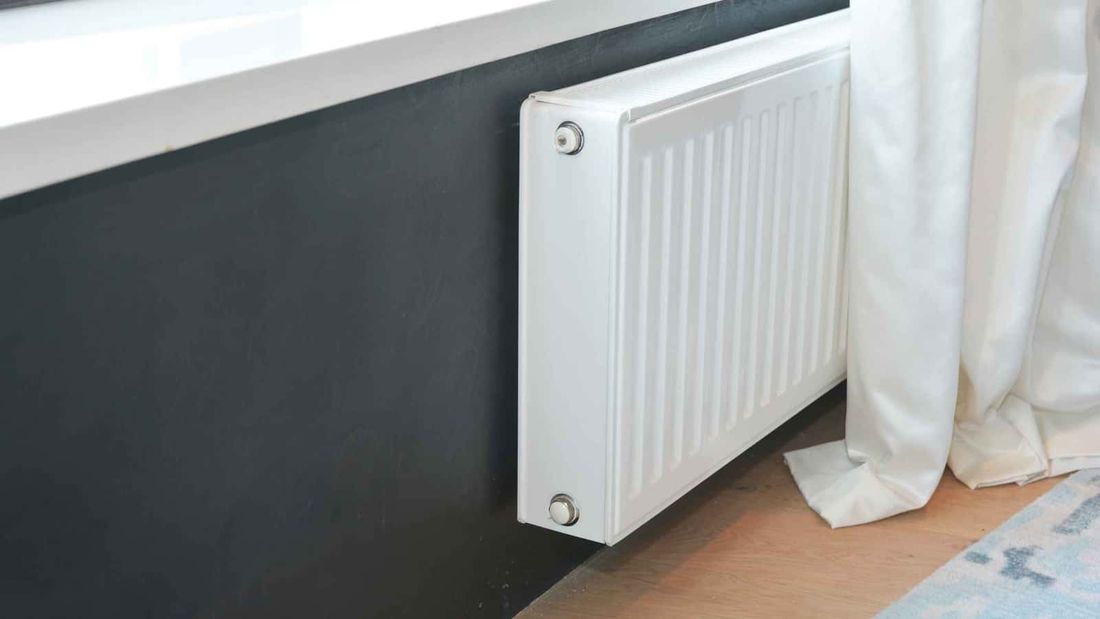
Sleeping in a warm room may seem like a comfortable option during cold nights. However, keeping the heating on throughout the night may not be as beneficial as we think. According to experts, high room temperatures can affect sleep quality and increase dryness in the respiratory passages and skin, particularly among people who are more sensitive to these conditions.
A report published by British website HuffPost warns of several potential effects associated with this habit.
Sleep Disturbances and Increased Body Temperature
Sleep is affected by the temperature of the surrounding environment. The American Sleep Foundation indicates that the ideal room temperature for sleeping ranges between 15.6 and 20 degrees Celsius. Excessive heat may lead to frequent awakenings, sweating, and discomfort throughout the night.
Dry Nose and Throat
Heating systems can reduce indoor air humidity, causing dryness in the nose and throat and increasing discomfort, particularly during cold and allergy seasons. Research conducted by the Medical University of Warsaw has also indicated a link between certain home heating methods and an increased risk of allergic rhinitis and asthma.
Increased Skin Dryness
The effects are not limited to the respiratory system. Dry air produced by heating can also worsen skin dryness, causing greater discomfort for people with eczema and certain inflammatory skin conditions.
The report quoted Dr. Heba Injibar of the Dermasurge Clinic in London as saying that turning off the heating at night may help reduce skin dryness, while also lowering energy consumption and heating costs.
Experts therefore recommend maintaining a moderate temperature in the bedroom and avoiding excessive heating, as this may promote more comfortable sleep and reduce exposure to dry air.
𝗦𝗼𝘂𝗿𝗰𝗲: 𝗘𝗿𝗲𝗺 𝗡𝗲𝘄𝘀


