
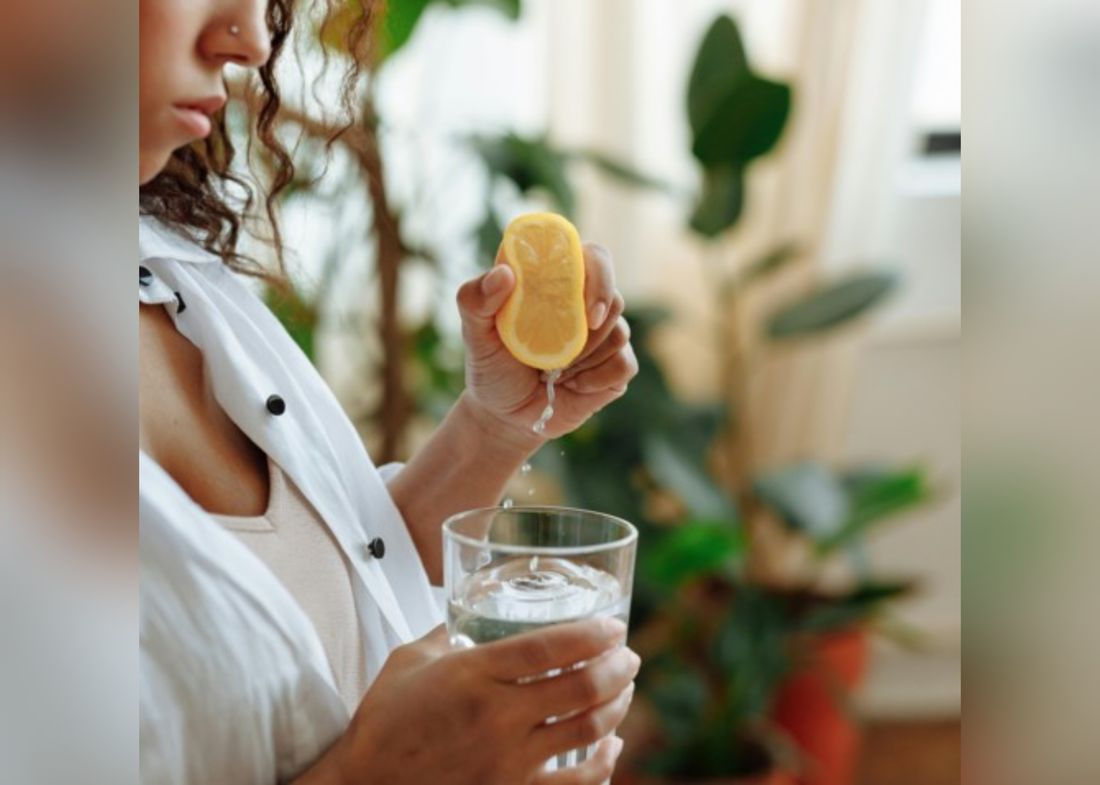
With the growing popularity of skincare remedies on social media, lemon has once again taken centre stage as one of the suggested natural treatments for getting rid of acne. Simply because it is a natural ingredient rich in vitamin C, many people consider it a quick and simple solution to an annoying problem that troubles both teenagers and adults. But what do reliable medical sources say?
𝐓𝐡𝐞 𝐁𝐞𝐧𝐞𝐟𝐢𝐭𝐬 𝐨𝐟 𝐋𝐞𝐦𝐨𝐧: 𝐅𝐚𝐜𝐭 𝐨𝐫 𝐈𝐥𝐥𝐮𝐬𝐢𝐨𝐧?
According to some medical studies and research, the reality is not quite so simple. There is insufficient clinical scientific evidence to prove that applying lemon juice directly to the skin actually helps treat acne.
However, the reason behind this belief is that lemons contain citric acid and antioxidants, most notably vitamin C, two ingredients commonly associated with cosmetic benefits such as skin brightening and improving its radiance. Laboratory studies have also shown that certain lemon compounds may have antibacterial and anti-inflammatory properties. These are factors theoretically linked to acne treatment, as acne is partly caused by clogged pores and excessive bacterial activity.
However, these findings come from laboratory settings or studies involving non-human models, and do not necessarily mean that applying lemon juice to the face will produce the same results. To date, there are no strong clinical studies confirming its effectiveness as a direct topical treatment for acne.
𝐏𝐨𝐭𝐞𝐧𝐭𝐢𝐚𝐥 𝐑𝐢𝐬𝐤𝐬 𝐨𝐟 𝐀𝐩𝐩𝐥𝐲𝐢𝐧𝐠 𝐋𝐞𝐦𝐨𝐧 𝐃𝐢𝐫𝐞𝐜𝐭𝐥𝐲 𝐭𝐨 𝐭𝐡𝐞 𝐅𝐚𝐜𝐞
Despite being a natural ingredient, lemon has a high acidity level that can be harsh on the skin, particularly sensitive skin or skin already inflamed by acne. Applying it directly may cause irritation, redness, and a burning sensation. It may even lead to severe dryness, weakening the skin's natural barrier.
Another well-known risk is increased skin sensitivity to sunlight. Exposure to the sun after applying lemon can worsen pigmentation or cause dark spots that may be difficult to treat later. In some cases, unpleasant skin reactions may develop and require medical intervention.
𝐌𝐞𝐝𝐢𝐜𝐚𝐥 𝐑𝐞𝐜𝐨𝐦𝐦𝐞𝐧𝐝𝐚𝐭𝐢𝐨𝐧𝐬
Instead of relying on unproven homemade remedies, dermatologists recommend using scientifically studied ingredients such as salicylic acid or benzoyl peroxide, alongside maintaining a balanced skincare routine that includes gentle cleansing, appropriate moisturising, and daily sunscreen application.
For moderate to severe cases, prescription treatment may be the safest and most effective option. Acne is not merely a superficial concern; it is a skin condition that sometimes requires professional assessment to prevent scarring or long-term effects.
𝐒𝐨𝐮𝐫𝐜𝐞: 𝐞𝐥𝐥𝐞 𝐚𝐫𝐚𝐛𝐢𝐚


