
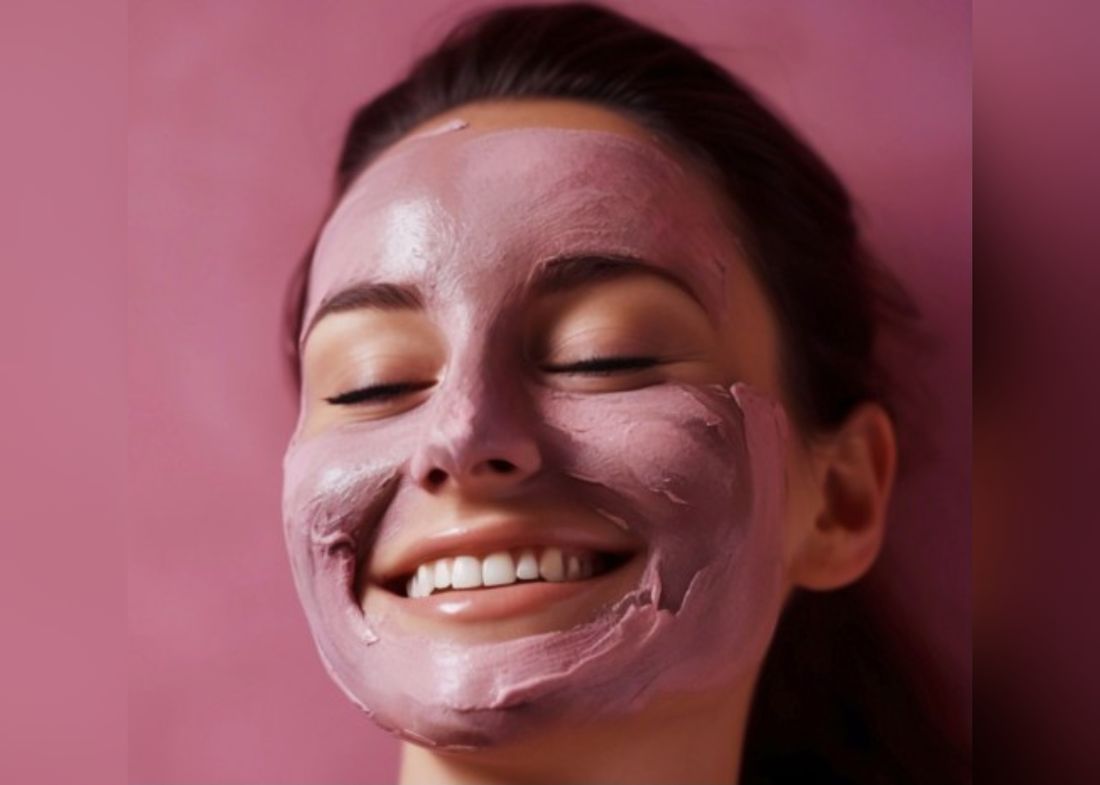
Knowing the best time to use a face mask is essential to making the most of its benefits, as it is packed with ingredients that your skin needs.
Unlike everyday skincare products designed for routine use, face masks work as targeted treatments that help restore the skin's balance, replenish lost moisture, and revive the complexion after exposure to pollution, stress, makeup, and changing weather conditions.
Using them occasionally gives the skin an opportunity to relax, absorb active ingredients more effectively, and respond to skincare without interference from harmful external factors. This makes face masks particularly beneficial for dull, congested, or tired skin.
The Best Time to Use a Face Mask
Evening, after thoroughly cleansing your skin, is the ideal time to apply a face mask.
At this stage, the face is free from makeup, sunscreen, accumulated oils, and environmental residue, allowing the mask's ingredients to penetrate evenly and work without obstruction.
Applying a face mask in the evening also complements the skin's natural renewal process, as the skin becomes more receptive to nourishment and repair during rest.
Using a mask at this time creates ideal conditions for hydration, soothing, or purification, depending on the mask's purpose, while ensuring that its benefits are not compromised by exposure to sunlight or daily activities.
Choose According to Your Skin Type
Your skin type plays an important role in determining how often you should use a face mask to maintain balance without overwhelming the skin and to make the most of its ingredients.
Oily and acne-prone skin generally tolerates more frequent mask application. Purifying or oil-controlling formulas can be used twice a week to help manage excess sebum production and prevent clogged pores.
Dry skin, on the other hand, usually needs no more than one deeply hydrating or nourishing mask per week to restore comfort without compromising its protective barrier.
Combination skin responds well to using a face mask once or twice a week, depending on the areas of concern. This allows targeted care for oily areas while maintaining hydration in drier parts of the face.
Sensitive skin requires a more cautious approach, with soothing masks used once a week or even less frequently, ensuring that the skin benefits from gentle care without becoming irritated or overwhelmed.
Source: elle arabia


