
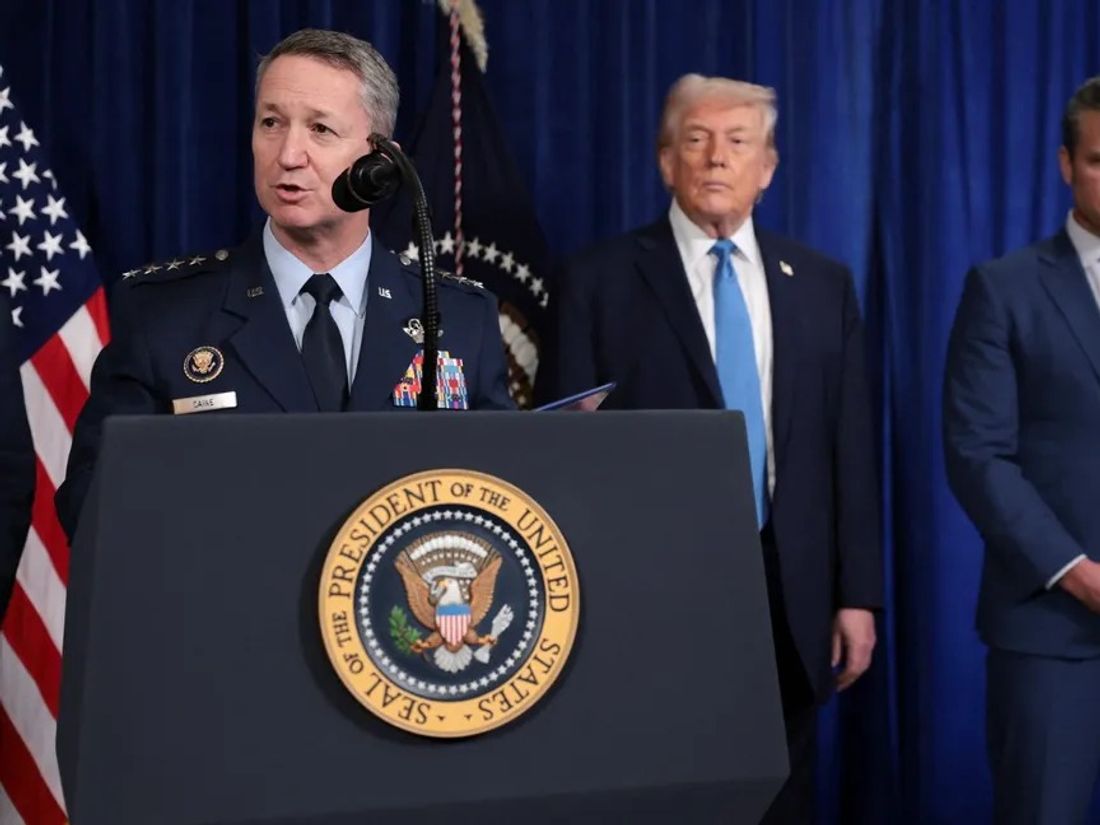
U.S. President Donald Trump is reportedly considering holding three senior Pentagon officials responsible for the Republican Party’s election losses and the repercussions of the war with Iran.
Three senior officials at the U.S. Department of War (the Pentagon) could face blame for political and military failures related to the war with Iran, which reportedly contributed to an electoral setback for the Republican Party, according to The Washington Post, citing officials and informed sources.
The newspaper said that Trump is looking for someone to blame for the Republicans’ poor performance in the midterm elections. The list of potential names reportedly includes Secretary of War Pete Hegseth, Chairman of the Joint Chiefs of Staff Dan Caine, and Commander of U.S. Central Command (CENTCOM) Brad Cooper.
According to informed sources cited by the newspaper, the three officials were responsible, at different stages of the war, for providing Trump with “overly optimistic assessments” about the course of military operations without sufficiently explaining the risks and costs the United States could face.
However, the sources indicated that Caine and Cooper face a greater possibility of becoming targets of accountability, while Hegseth remains among the officials who could bear part of the responsibility.
Conflict Inside the Pentagon
The Washington Post reported that uncertainty prevails within the Department of Defense, amid an atmosphere that informed sources described as “highly volatile and conflict-ridden,” as administration officials try to absorb the repercussions of the election losses.
One source said that some officials are questioning whether Hegseth may seek to blame others for the electoral failures rather than accept responsibility himself.
Despite speculation about his future, Trump defended his Secretary of War and said he had no intention of dismissing him, according to the newspaper.
The report added that senior Defense Department officials had discussed for weeks the possibility of Republicans losing their majority in Congress and had included this scenario in their advance planning. However, the scale of the electoral losses has raised questions about possible changes and dismissals within the department.
Officials Under Scrutiny
According to officials cited by the newspaper, Cooper played a central role in developing military plans for the war against Iran and was considered the architect of the operations. He reportedly advocated on several occasions for more aggressive attacks against Iranian forces.
The report added that Cooper visited the White House last week and recommended additional military action against Iran while Trump was considering options for military escalation or a return to a broader confrontation.
This role places the CENTCOM commander under potential scrutiny, particularly amid growing criticism of the military assessments provided to the president before and during the war.
Dan Caine, the Chairman of the Joint Chiefs of Staff, is also facing questions about his role in providing military advice to Trump. Officials told the newspaper that Caine expressed greater concern about the impact of the war on the U.S. military’s ability to carry out future operations, but did not generally oppose the president’s plans.
Meanwhile, Hegseth played a prominent role in promoting and defending the war and criticized lawmakers and journalists who opposed it. He also declared victory over Iran despite the continuation of military operations and the absence of a peace agreement, according to The Washington Post.
The consequences of the election defeat are not limited to the future of the three officials. The Pentagon is expected to face increased congressional scrutiny, as Democrats prepare to take leadership of key committees and launch investigations into the management of the war and the military decisions made by the department.
A Pentagon official told the newspaper that the election results have raised questions about the nature of the relationship between Hegseth’s team and military officers in the coming period, particularly after two years marked by criticism, dismissals, and oversight measures within the military establishment.


