
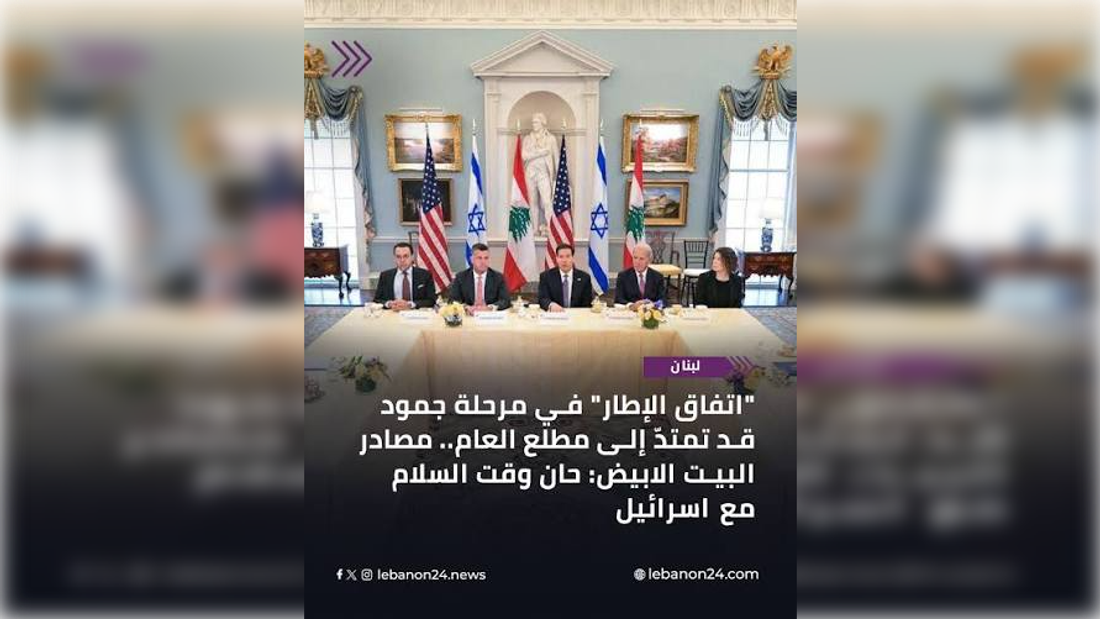
In an indication that Washington is not waiting for the regional picture to become clearer before defining its demands of Lebanon, White House sources told Nidaa Al-Watan that the Trump administration is closely following two key files.
The first is the investigation into the Dahr al-Baidar explosives case, particularly regarding its alleged connection to Hezb0llah and the fate of the ongoing investigations. The sources questioned what is preventing the case from being referred to Lebanon’s Judicial Council, expressing concern that the investigation could eventually be abandoned before it is completed and reaches the desired conclusions.
The second file concerns pushing toward peace with Israel through clear steps that reflect Lebanon’s commitments along this path. In this context, the sources pointed to the need to move toward ending the implementation of the law boycotting Israel, questioning whether Speaker of Parliament Nabih Berri would put its repeal to a vote in Parliament.
The sources did not stop at raising this issue, but also hinted that parties working to obstruct efforts aimed at ending the war with Israel, disarming Hezbollah and dismantling its infrastructure could face consequences as a result of their positions.
They indicated that the U.S. administration is closely monitoring the positions of Lebanese political forces to determine who supports peace and who opposes it, particularly through their handling of legislation related to the boycott of Israel and the outcome it reaches.
The sources revealed that the U.S. side raised both issues in detail with the relevant Lebanese authorities through official channels and other lines of communication, reflecting Washington’s interest in translating political positions into concrete judicial and legislative steps.
In a related development concerning trends within the U.S. administration, the appointment of Stephen Miller as White House Chief of Staff, succeeding Susie Wiles, carries particular significance. A source close to the White House described him as “a strategic adviser in wartime,” considering his appointment “perhaps the best possible message to the Republican grassroots base.”


