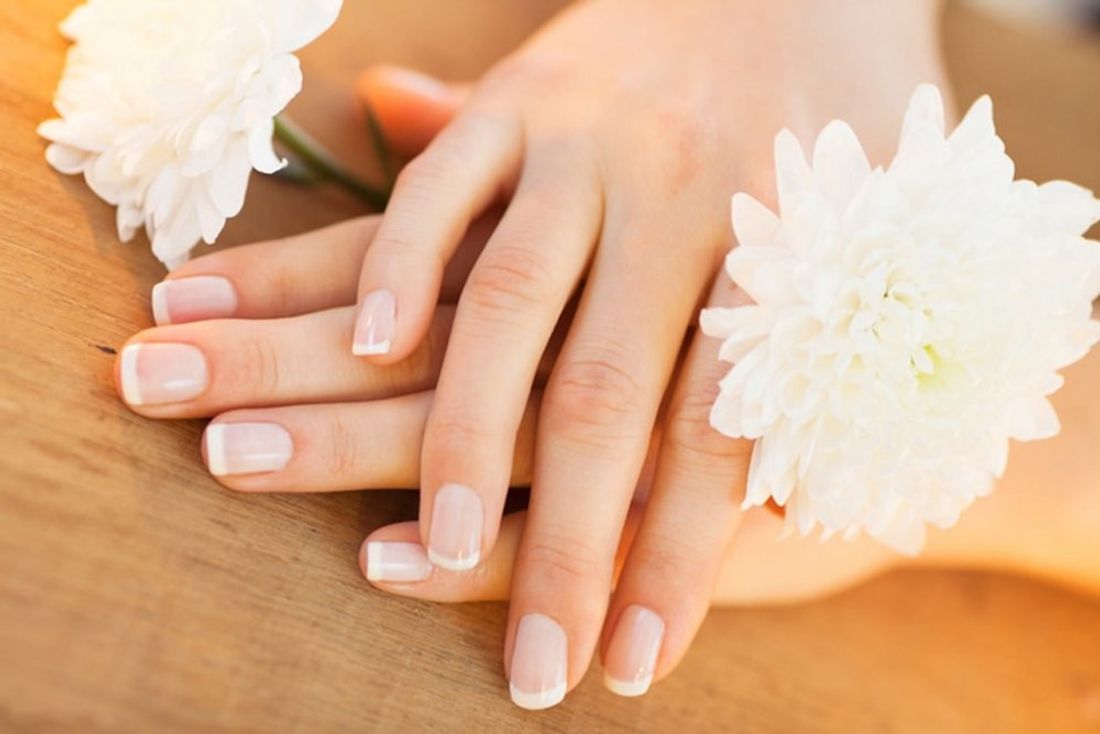
With the arrival of winter, many people notice a significant change in the appearance of their hands. Their skin becomes drier and rougher, with fine lines and cracks appearing, particularly around the knuckles. As a result, hands may suddenly appear older compared with how they look during the summer.
Why Does This Happen?
Dr. Karuna Malhotra, a cosmetologist and dermatologist in New Delhi, told the medical website Only My Health: “Winter strips the skin of its moisture, and hands lose this moisture more quickly. The air becomes dry, and washing hands several times throughout the day makes the problem worse. In addition, hands produce very little natural oil during this season, making them more prone to dryness, roughness, tightness, and wrinkles.”
Why Are Hands More Affected Than Other Parts of the Body?
Hands are more susceptible to dryness than other parts of the body because of differences in their skin structure. Malhotra explains: “The palms have no sebaceous glands at all, while the backs of the hands contain very few. The face, on the other hand, has significantly more, which is why it remains softer.”
The skin on the backs of the hands is also thin, making signs of dryness and fine lines more noticeable. Furthermore, hands are constantly exposed to cold air, wind, and heat from heating devices, as well as frequent washing and the use of sanitizers, which strip the skin of its natural oils.
What Happens Inside the Skin?
Malhotra compares what happens inside the skin during winter to a brick wall, where skin cells represent the building blocks, while natural lipids, such as ceramides, act as the mortar that holds these blocks together and maintains the skin's structure.
She explains: “In cold, dry air, combined with the use of hot water and soap, this binding material breaks down, allowing water to escape from the skin and leaving its surface rough and flaky.”
This damages the skin's natural protective barrier and reduces its ability to retain moisture.
Research supports these explanations. A study published in 2022 in the Journal of the Mechanical Behavior of Biomedical Materials examined changes in the skin when transitioning from winter to summer. It found that transepidermal water loss decreased by 22.15%, while skin surface roughness declined by 34.29%, indicating that the skin loses more moisture and becomes rougher during winter.
The effects of dryness are not limited to the texture of the hands; it can also make wrinkles and fine lines more noticeable. Malhotra explains that “dry skin develops fine, superficial lines, which often improve within days of consistently using moisturizers.”
Daily Habits That Make the Problem Worse
Malhotra warns: “Washing hands, doing dishes, and using sanitizers all repeatedly strip the skin of its natural oils.”
A 2022 scientific review published in the Journal of Education, Health and Sport, examining eczema among healthcare workers during the COVID-19 pandemic, found that the risk increased with repeated use of hand hygiene products, alcohol-based sanitizers, and gloves.
The authors noted that “handwashing and the use of sanitizers disrupt the skin's natural barrier function.”
When Should You See a Dermatologist?
Malhotra recommends consulting a dermatologist in the following cases:
* Painful cracks or cracks accompanied by bleeding.
* Redness, itching, or blisters that do not subside within one to two weeks.
* Pus, swelling, warmth, or scabbing.
* A rash spreading across the hands.
* Thick, scaly patches.
* Dryness that does not improve with regular moisturizing.
* Dry skin accompanied by fatigue, changes in weight, or excessive thirst.
𝗦𝗼𝘂𝗿𝗰𝗲: Aawsat