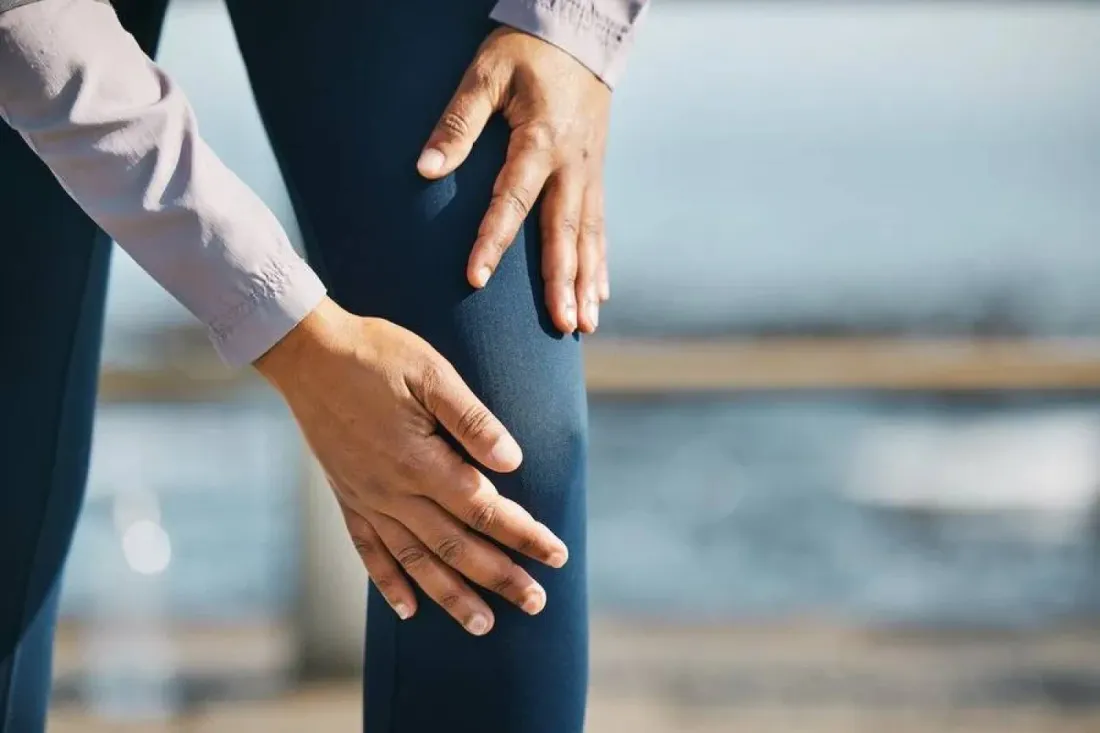
As temperatures drop, joint pain often becomes more noticeable. But is this seasonal discomfort merely a coincidence, or is there a genuine physiological connection between cold weather and joint pain?
Here are the most common reasons behind joint pain during winter, along with expert advice on how to prevent it and manage its symptoms effectively.
Which Joints Are Most Vulnerable to Pain During Winter?
John Taberner, a community rehabilitation programme specialist at Nuffield Health, explains: "All joints can be affected, but pain may be more noticeable in joints with complex bone structures and those located farther from the centre of the body. The hands and feet are particularly vulnerable."
He adds that people with joint damage or wear and tear may also notice increased pain during cold weather, according to the British newspaper The Independent.
What Factors May Contribute to Joint Pain During Winter?
1\. Reduced Physical Activity
Ben Lombard, a London-based physiotherapist, says people generally become less active during the winter months because of lower temperatures.
Walking and exercising outdoors become less frequent, and even visits to the gym may decline due to the cold.
He explains that reduced physical activity can lead to decreased joint lubrication and weaker muscles, resulting in pain.
Joints are surrounded by a membrane known as the synovial membrane, which produces synovial fluid responsible for lubricating them.
Lombard explains that reduced movement, combined with lower temperatures, may make this fluid thicker and less free-flowing.
2\. Lower Atmospheric Pressure
Lombard explains that atmospheric pressure often decreases during winter, potentially increasing the pressure exerted by muscles and tendons on the joints, which may contribute to pain.
3\. Reduced Blood Circulation
According to Taberner, when temperatures fall, the body redirects blood away from the extremities to protect vital organs and maintain their warmth.
This reduces blood flow to the joints, potentially affecting their lubrication and increasing discomfort.
Who Is Most at Risk of Joint Pain During Winter?
Taberner says winter-related joint pain can affect people of all ages, but it becomes more common with advancing age as joints naturally begin to wear down. This may be a major reason for increased pain and stiffness.
He adds that joint wear and tear may be more common among people who have spent many years doing manual labour or engaging in high-impact physical activities that place considerable stress on their joints.
Conditions such as obesity, diabetes, heart disease, and high blood pressure may also increase the likelihood of developing joint problems and experiencing related pain.
How Can You Prevent and Manage Joint Pain in Cold Weather?
1\. Take Painkillers When Necessary
Taberner explains that painkillers may provide immediate relief, but they do not offer long-term solutions to the underlying problems causing the discomfort.
They help mask the pain rather than treat its causes. Therefore, they should be taken when necessary, alongside a focus on preventive measures.
2\. Wear Multiple Layers of Warm Clothing
Lombard recommends wearing thermal clothing and several layers to maintain body warmth, noting that this simple measure can make a significant difference.
3\. Use Heat Packs
Lombard recommends using hot-water bottles or heating pads to help increase blood circulation and improve joint lubrication.
4\. Stay Physically Active
Taberner explains that movement stimulates the production and circulation of synovial fluid within the joints, helping reduce stiffness.
It also increases blood flow to the joints being used and helps warm the body, potentially reducing pain.
He adds that exercising regularly helps strengthen the joints, slow the progression of wear and tear, and reduce the risk of injuries, thereby lowering the likelihood of experiencing pain.
However, consulting a healthcare professional before starting any physical activity is advisable, particularly for people with diagnosed medical conditions that could be affected by exercise.
5\. Stay Hydrated
Lombard explains that the body's hydration levels affect synovial fluid. Drinking enough water may therefore help maintain joint flexibility and ease of movement.
6\. Consult Healthcare Professionals
Taberner stresses the importance of consulting a doctor if joint pain appears for the first time, becomes significantly more severe, or is accompanied by redness, swelling, or warmth around the joint.
Medical advice is also recommended if pain or stiffness does not improve after beginning to move.
7\. Consider a Muscle-Strengthening Programme
Taberner says following a sustainable strength-training programme can provide additional protection for the joints and reduce the likelihood of developing joint pain in the future.
Source: aawsat